
Oil Is Over $100 a Barrel: Here Are 6 Ways to Keep Your Heating Costs Low
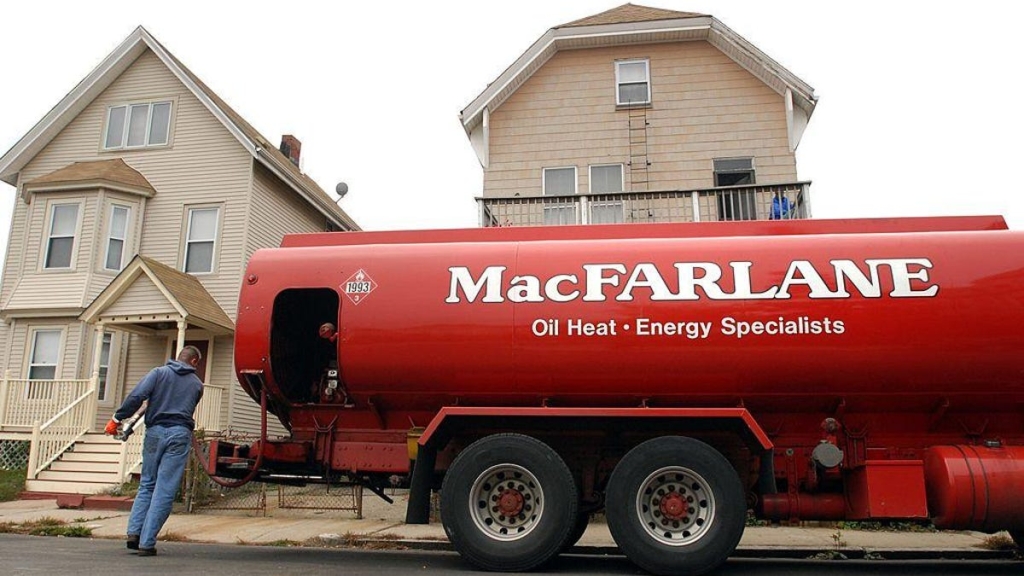
With global oil prices soaring due to geopolitical tensions and supply disruptions, heating your home this winter could cost you more than ever. Even without a worldwide supply interruption, heating with oil is expensive—it’s not uncommon for a single-family home to spend thousands of dollars in a single winter month. Oil recently spiked to over $100 per barrel, largely due to the Trump administration’s war with Iran, and what the International Energy Agency is calling “the largest supply disruption in the history of the global oil market.”
If you use oil or another fuel to heat your home, there are simple ways to maximize your heating system’s efficiency. While there is little you can do to change the global oil market, you can focus on the local market and find the best prices via comparative shopping.
As many as 78% of Americans polled in a 2024 CNET survey are concerned about rising utility costs. Rather than huddling under a quilt, we’ve built this guide to help you manage your thermostat, retain heat and trim your winter and spring heating costs without a major energy overhaul.
1. Use the thermostat wisely
We’ve all likely heard this advice, but it bears repeating since it’s the easiest and most direct way to save on energy costs.
It might feel nice to keep the home toasty so you don’t have to bundle up as much. The US Department of Energy states that you could save up to 10% annually on heating costs by turning down the thermostat by 7 to 10 degrees Fahrenheit for 8 hours per day.
The best part of turning down your thermostat is that you can do it while you’re not home during the day, so you don’t even notice the difference. You might also consider lowering the thermostat at night if you’re able to drift off to sleep in a chillier environment. According to the Mayo Clinic, sleeping in colder temperatures might even help our bodies naturally lower their core temperature at night, leading to more restful sleep. If you find you don’t mind it or even like it, you just found an easy way to save on heating costs this winter.
Today’s smart thermostats make controlling your home’s climate easier than ever. Simply set a prerecorded schedule for when you’d like the house to drop several degrees and when it should rise again. Set the heat to kick in a bit right before you get up in the morning, and your house will be warm when it’s time to start your day.
2. Shop around for the best oil prices
One way to keep heating costs down for those who rely on oil is to find cheaper oil. Websites like FuelSnap or JustOil.com compare local, daily rates and help you find a better budget barrel. If you’re locked into a contract with your provider, this may not be an option, but it never hurts to call your provider and ask if they a) can offer a better price or price match a competitor (it might require signing up for a new contract) or b) can let you out of your contract because you’ve found better prices elsewhere.
For the best prices, switch to call-by or will-call oil delivery, where you order oil on an ad hoc basis and only when you need it. If you choose to forgo automatic delivery in favor of call-by, you’ll have greater flexibility to order from the provider with the best prices. But it’s important to monitor your supply closely as emergency deliveries tend to incur extra costs.
3. Go green with renewable energy
Solar handles electricity output, so it might not seem like going solar would affect your heating bills. If you run an entirely electric central heating system, you might not have to pay gas heating bills at all. This is admittedly the most involved tip on the list. You might have to invest in a solar array and a solar battery and even install central electric heating. That way, you avoid the fluctuating costs of natural gas.
The great part about solar is that the panels can still collect energy for your home even in the winter, so a dreary sky doesn’t mean sunlight isn’t penetrating the clouds. Your solar panel system will just need some extra TLC, such as clearing snow from affected panels in northern climates or insulating batteries.
You might also look into which solar credits are available in your area, such as the federal residential clean energy credit. Solar panels have the popular benefit of allowing you to sell surplus energy back to your utility company if it participates.
If going all solar at home isn’t a time or financial commitment you can make right now, you might look for other green ways to save on your electricity and heating costs. One easy way is to outfit your camper with portable solar panels. You can also look into small solar gadgets, such as solar device chargers or solar water heater kits, that can take the load off that heat and electric bill.
4. Upgrade your heating equipment
If you’re running an old furnace, you’re likely burning more energy than you need to. According to the US Department of Energy, fuel efficiency ratings for newer high-efficiency heating systems can range from 90% to nearly 99%, compared with older low-efficiency systems at 56% to 70%. With electricity prices getting more erratic recently, now might be the time to invest.
You might also look into different ways to heat your home. We mentioned all-electric systems supported by solar panels above, but there are also heat pumps instead of furnaces. Heat pumps transfer heat from outside, so they are often a popular option in more temperate climates.
5. Manage your home temperature
Beyond updating your equipment, playing with your thermostat, or investing in a renewable energy alternative, you can also make small changes that help reduce your heating bill. These likely won’t overhaul your heating bill like new equipment would, but if you feel every little bit helps, you can try a few options like:
- Putting draft stoppers on the doors.
- Keeping your heating vents clear of dust and debris.
- Insulate your windows with storm windows outside or plastic covering inside.
- Using portable, efficient space heaters to lower the overall temperature in your home while keeping the room you’re in warm.
- Opening your window shades, curtains or blinds to let the sun in during the day. This will warm your home naturally and put less stress on your furnace.
Sometimes, small lifestyle habits can surprise you with how much you’ve saved on your energy bill.
6. Check your home for air leaks
An important part of keeping your home from leaking warm air (aka money) is to ensure it has as few leaks as possible. Call in an HVAC professional to check for any air leaks in your home; they’ll likely perform a blower door test. You might also consider insulating and sealing your home yourself to reduce energy or heat loss.
A few final tips to help you save
Since electric costs and heating costs are the same bill for many people, you can work on reducing your electric consumption to help with that bill overall.
But it’s hard to know where to save on your electric bill if you don’t know which energy sinks are the biggest in your home. You could check out smart plugs with energy monitoring, which let you see how much energy each device in your home uses and track your energy output.
Down the line, if you should ever move, you may want to make sure the house you buy is energy-efficient. That will help reduce the urge to scream when you open your winter energy bill and other utility bills in the future. We also have a guide on the different types of systems to keep an eye out for when house hunting. There are obvious signs that the home might be energy-efficient, such as the large solar array on the roof. Subtler sustainability signs to watch for include water-harvesting systems, tankless water heaters and reclaimed wood.
Tags: heating costs, oil prices, thermostat, smart thermostat, renewable energy, solar panels, heat pumps, furnace, energy efficiency, air leaks, insulation, energy bill, winter heating, home temperature, oil delivery, FuelSnap, JustOil.com, Mayo Clinic, US Department of Energy, CNET survey, energy monitoring, smart plugs, energy-efficient house, sustainability, energy sinks, blower door test, electric central heating, solar array, solar battery, call-by oil delivery, will-call oil delivery, portable solar panels, solar device chargers, solar water heater kits, storm windows, draft stoppers, space heaters, window shades, curtains, blinds, HVAC professional, energy credits, federal residential clean energy credit, surplus energy, utility company, water-harvesting systems, tankless water heaters, reclaimed wood.
Viral phrases: heating costs soaring, global oil prices, supply disruptions, Trump administration, Iran, International Energy Agency, single-family home, winter month, $100 per barrel, CNET survey, rising utility costs, thermostat wisely, US Department of Energy, smart thermostats, fuel efficiency, renewable energy, solar panels, heat pumps, furnace, air leaks, insulation, energy bill, winter heating, home temperature, oil delivery, FuelSnap, JustOil.com, Mayo Clinic, energy monitoring, smart plugs, energy-efficient house, sustainability, energy sinks, blower door test, electric central heating, solar array, solar battery, call-by oil delivery, will-call oil delivery, portable solar panels, solar device chargers, solar water heater kits, storm windows, draft stoppers, space heaters, window shades, curtains, blinds, HVAC professional, energy credits, federal residential clean energy credit, surplus energy, utility company, water-harvesting systems, tankless water heaters, reclaimed wood.
,

Leave a Reply
Want to join the discussion?Feel free to contribute!