
Oldest known dog extends the genetic history of our canine companions
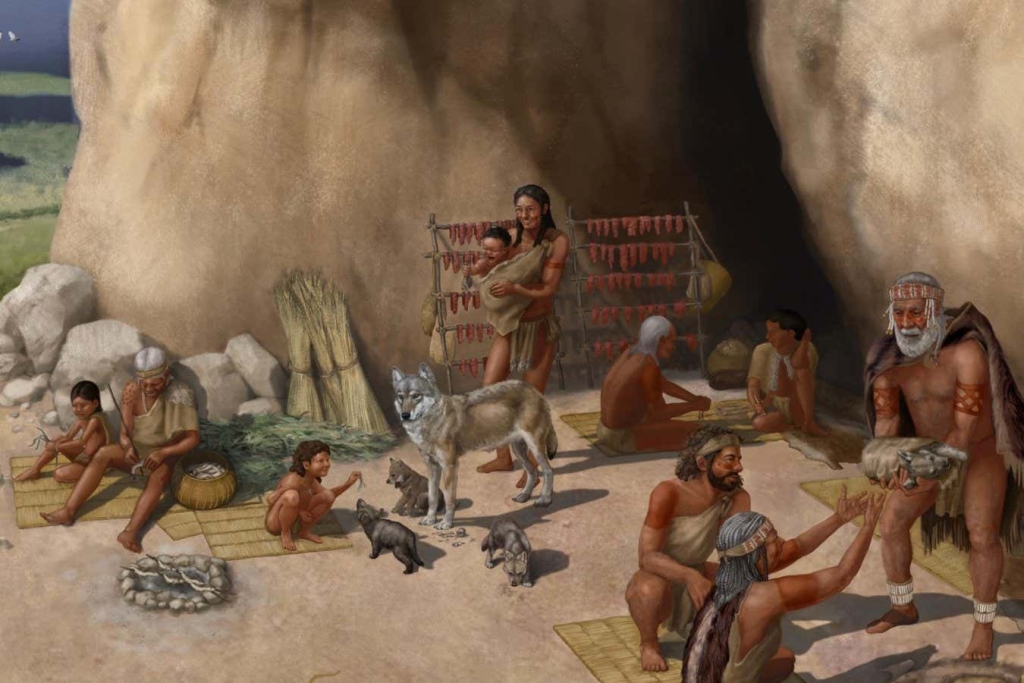
The Earliest Dogs: Rewriting the Story of Humanity’s Best Friend
A groundbreaking genetic analysis has pushed back the timeline of dog domestication by thousands of years, revealing that our canine companions were already “dogs” rather than wolf-like proto-dogs some 15,800 years ago—and that they were already spread across Europe by 14,300 years ago, when humans were still hunter-gatherers.
A Turkish Discovery Changes Everything
The game-changing evidence comes from Pınarbaşı, an archaeological site on Turkey’s Central Anatolian Plateau. Genetic analysis of remains from this location has confirmed they belong to a domestic dog dating back 15,800 years to the Upper Paleolithic period. This pushes the earliest direct evidence for dogs back by approximately 5,000 years.
“By at least 15,800 years ago, dogs were already dogs, and they already look genetically and morphologically like modern dogs,” explains Lachie Scarsbrook of the University of Oxford, lead researcher on the study.
The Gough’s Cave Connection
Equally remarkable is the discovery of a 14,300-year-old dog jawbone from Gough’s Cave in Somerset, UK. What makes this finding particularly intriguing is that this dog shares such genetic similarity with the Turkish specimen that they must have descended from a recent common ancestor—despite their human caretakers belonging to completely different cultures separated by thousands of kilometers.
The hunter-gatherer Magdalenian culture at Gough’s Cave and the Anatolian hunter-gatherers at Pınarbaşı show minimal evidence of gene flow between them. Yet their dogs tell a different story.
The Mysterious Dog Population Expansion
The genomes reveal that both Paleolithic dogs belonged to a population that expanded across Europe between 18,500 and 14,000 years ago. This geographic spread presents a puzzle: how did genetically similar dogs end up so far apart when their human populations remained largely isolated?
The researchers propose that a third group, the Epigravettian culture, served as the vector for this canine expansion. As these people migrated northward from the Italian peninsula into Western Europe and then southeast into Turkey between 18,500 and 14,000 years ago, they brought their dogs with them.
“And yet we don’t think dogs are wandering all across Europe by their own steam,” notes Scarsbrook. The evidence strongly suggests human-mediated dispersal.
What Dogs Meant to Early Humans
Dogs would have provided hunter-gatherer groups with “a new way of hunting and keeping your cave safe, and a living blanket to keep you warm on cold nights,” Scarsbrook explains. The partnership offered clear survival advantages in the challenging environments of the late Ice Age.
Burial Practices Reveal Human-Canine Bonds
The remains at both sites provide fascinating clues about how ancient humans regarded their canine companions. At Pınarbaşı, isotope analysis suggests the people fed their dogs fish—the same food they themselves consumed. The animals were buried, mirroring human burial practices of the time.
“The humans some 15,000 years ago were treating these animals seemingly symbolically,” says William Marsh of the Natural History Museum, London.
At Gough’s Cave, the relationship takes on an even more complex dimension. While humans and dogs shared an omnivorous diet, the site also reveals evidence of ritualistic human cannibalism—postmortem cut marks, tooth marks, and engravings on human bones.
A dog mandible from the same site bears similar marks and appears to have been perforated by humans. This suggests people may have accorded their dogs the same funerary traditions they gave to people, and perhaps even consumed parts of their bodies.
The Last Glacial Maximum Theory
Scarsbrook believes the initial domestication of dogs occurred during the last glacial maximum, roughly 26,000 to 20,000 years ago. “It was a horrible time to be alive in northern Eurasia, so everything’s being pushed south, whether you’re a wolf or a human,” he explains. These populations would have been forced into the same refuges, creating unprecedented opportunities for interaction.
This forced proximity in harsh conditions could have been the start of “a beautiful friendship” between wolves and humans—a relationship that would ultimately transform both species.
The Ongoing Mystery
Despite these groundbreaking findings, many questions remain. James Cole of the University of Brighton notes that while we can infer attachment between humans and dogs, “it’s hard for us to deduce” the exact nature of these relationships.
What’s clear is that by 15,800 years ago, dogs were already dogs—not just wolf-adjacent animals slowly becoming domesticated, but fully formed canine companions integrated into human societies across vast distances. This discovery not only pushes back the timeline of dog domestication but also reveals how deeply intertwined the fates of humans and dogs have been for far longer than previously imagined.
Tags: #dogdomestication #ancientDNA #archaeology #humanevolution #IceAge #caninehistory #huntergatherers #geneticanalysis #prehistoric #doglovers
Viral: #Science #Discovery #History #Evolution #Animals #Research #Paleolithic #Turkey #UK #Dogs #Wolves #Genetics #Archaeology #NewScientist #BreakingNews
,

Leave a Reply
Want to join the discussion?Feel free to contribute!