
OnePlus 16, iQOO 16, and Redmi K100 Pro Max pricing rumor isn’t good news at all
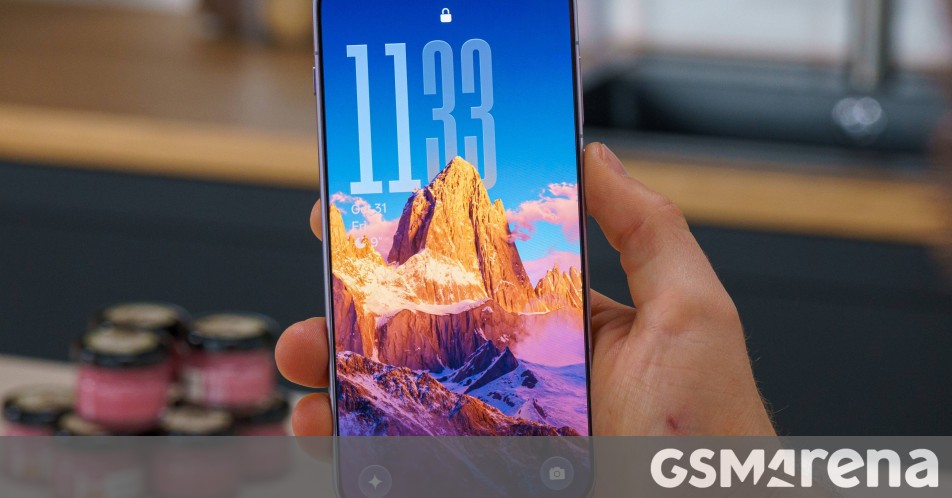
OnePlus 16, iQOO 16, and Redmi K100 Pro Max: A 20% Price Hike Shock—Here’s Why
In a bold and unexpected revelation, the ever-reliable Chinese tech leaker Digital Chat Station (DCS) has dropped a bombshell that’s sending shockwaves through the smartphone community. According to DCS, the upcoming OnePlus 16, iQOO 16, and Redmi K100 Pro Max—all set to launch in the second half of this year—are expected to carry a hefty price tag, starting at CNY 5,000 for the base 12GB RAM + 256GB storage variant. That’s a significant jump from their predecessors, and it could mark a new era of premium pricing in the Chinese flagship smartphone market.
The Numbers Don’t Lie: A 20% Price Surge
To put this into perspective, let’s rewind to last year’s models. The OnePlus 15 and Redmi K90 Pro Max both debuted at CNY 4,000, while the iQOO 15 started at CNY 4,100. If DCS’s prediction holds true, all three upcoming flagships will see a 20% price increase—a move that’s bound to raise eyebrows among consumers and industry watchers alike.
But before you start panicking about global pricing, it’s important to note that Chinese smartphones are always priced lower in their home market. The CNY 5,000 starting price translates to roughly $725, which might not seem astronomical at first glance. However, when compared to the previous generation, this is a substantial hike that could signal a shift in the market.
Why the Price Hike? The Culprits Behind the Surge
DCS hasn’t explicitly stated the reasons behind this price increase, but the clues are all there. The primary culprit appears to be Qualcomm’s Snapdragon 8 Elite Gen 6, the next-generation flagship chipset that will power all three devices. This chip is expected to be even more expensive than its already pricey predecessor, the Snapdragon 8 Gen 3.
But that’s not all. The global RAM pricing crisis is also playing a significant role. Over the past year, the cost of RAM and storage components has skyrocketed, squeezing manufacturers’ margins and forcing them to pass the burden onto consumers. Add to that the rising costs of advanced manufacturing processes and the increasing complexity of smartphone designs, and it’s clear why these devices are becoming more expensive to produce.
What This Means for Global Consumers
While the CNY 5,000 price tag might seem manageable for Chinese consumers, the global versions of these phones could see even steeper increases. Historically, Chinese brands like OnePlus and iQOO have priced their global models higher than their domestic counterparts, often by 20-30%. If this trend continues, the OnePlus 16 and iQOO 16 could easily cross the $1,000 mark in international markets, putting them in direct competition with premium flagships from Apple and Samsung.
For Redmi, the situation is slightly different. The brand has traditionally focused on offering high-performance devices at aggressive prices, but even it may struggle to maintain its value proposition in the face of rising costs. If the Redmi K100 Pro Max follows suit, it could mark the end of an era for budget-friendly flagship killers.
The Bigger Picture: A Shift in the Smartphone Market
This price hike isn’t just about one generation of devices—it’s a reflection of broader trends in the smartphone industry. As technology advances, the cost of innovation is rising. From cutting-edge camera systems to under-display fingerprint sensors and AI-powered features, manufacturers are packing more into their devices than ever before. And all of this comes at a price.
Moreover, the global semiconductor shortage and supply chain disruptions have further exacerbated the situation, making it harder for companies to source components at reasonable prices. As a result, consumers may need to brace themselves for higher prices across the board, not just from Chinese brands but from all major players in the market.
What Can Consumers Expect?
If you’re in the market for a flagship smartphone this year, it’s time to adjust your expectations—and your budget. The days of sub-$800 flagships may be numbered, at least for now. However, this doesn’t mean that value-for-money options will disappear entirely. Brands like Realme, POCO, and even Samsung’s Galaxy A series are likely to continue offering competitive devices at lower price points, albeit with fewer cutting-edge features.
For those who can afford it, the OnePlus 16, iQOO 16, and Redmi K100 Pro Max will undoubtedly deliver top-tier performance, stunning displays, and advanced camera systems. But for budget-conscious buyers, the choices may become increasingly limited.
Final Thoughts: A New Era of Premium Pricing?
The potential 20% price hike for these upcoming flagships is a wake-up call for the smartphone industry. As technology becomes more advanced and production costs rise, consumers may need to accept that premium devices will come with premium price tags. Whether this trend will continue in the long term remains to be seen, but for now, it’s clear that the era of affordable flagship killers may be coming to an end.
As we await the official launches of the OnePlus 16, iQOO 16, and Redmi K100 Pro Max, one thing is certain: the smartphone market is entering uncharted territory. Will consumers be willing to pay more for cutting-edge technology, or will they seek alternatives? Only time will tell.
Tags & Viral Phrases:
OnePlus 16 price hike, iQOO 16 cost increase, Redmi K100 Pro Max pricing, Snapdragon 8 Elite Gen 6, flagship smartphone price surge, Chinese phone price hike, RAM pricing crisis, smartphone market trends, premium flagship pricing, budget-friendly flagships disappearing, global smartphone pricing, OnePlus 16 vs OnePlus 15, iQOO 16 vs iQOO 15, Redmi K100 Pro Max vs K90 Pro Max, semiconductor shortage impact, flagship killer era ending, smartphone innovation costs, Chinese tech leaks, Digital Chat Station predictions, premium smartphone features, under-display fingerprint sensors, AI-powered smartphones, cutting-edge camera systems, Samsung Galaxy A series, Realme flagship killers, POCO budget phones, smartphone supply chain issues, global smartphone market shifts, high-end smartphone pricing, flagship smartphone value, smartphone consumer expectations.
,

Leave a Reply
Want to join the discussion?Feel free to contribute!