
Online Apple Store makes buying a Mac more like buying an iPhone
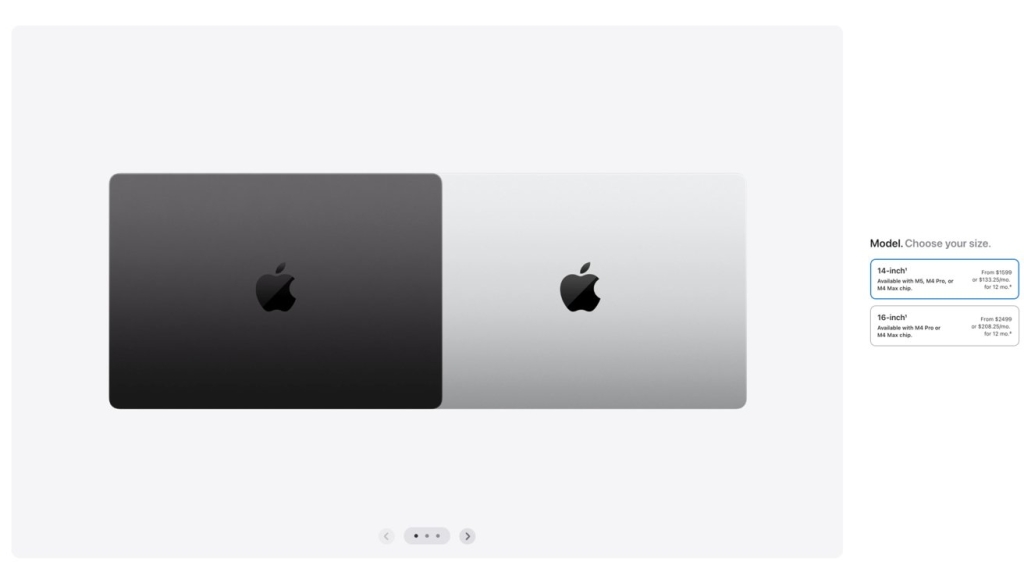
Apple’s Subtle Yet Significant Shift: The Mac Buying Experience Now Mirrors That of iPhone and iPad
In a move that’s both quietly implemented and quietly revolutionary, Apple has fundamentally altered how customers configure and purchase Mac computers through its online store. This change, first spotted by French tech site Consomac, represents more than just a cosmetic update—it signals Apple’s ongoing commitment to streamlining the customer journey across all its product lines.
From Fragmented to Fluid: Understanding the Change
Previously, when customers visited Apple’s online store to purchase a Mac, they encountered a somewhat fragmented experience. The process typically began with selecting from various base configuration models—different storage capacities, processor options, and sometimes even different physical designs all presented as separate starting points. Only after choosing this initial configuration would users be guided through further customization options like memory upgrades, storage enhancements, or accessory additions.
The new process eliminates this initial bifurcation entirely. Now, whether you’re eyeing a MacBook Air, MacBook Pro, iMac, or Mac Studio, you’re immediately presented with a unified configuration flow that closely resembles how Apple sells its mobile devices.
The iPhone and iPad Parallel
For anyone who’s purchased an iPhone or iPad online from Apple in recent years, the new Mac buying experience will feel immediately familiar. The process now typically begins with selecting your desired model (14-inch MacBook Pro or 16-inch MacBook Pro, for instance), followed by a guided tour through customization options including:
- Processor upgrades (where applicable)
- Memory configurations
- Storage capacity choices
- AppleCare+ protection plans
- Accessory bundles
- Trade-in valuation for existing devices
This streamlined approach reduces cognitive load on the customer and creates a more intuitive path from initial interest to final purchase. The visual presentation, button placements, and overall flow mirror what users have come to expect from Apple’s mobile device purchasing experience.
Why This Matters: The Psychology of Purchasing
Apple’s decision to unify the purchasing experience across product categories isn’t arbitrary—it’s rooted in sophisticated understanding of consumer behavior and purchasing psychology.
By adopting the iPhone/iPad model for Mac purchases, Apple leverages several psychological principles:
Reduced Choice Paralysis: The previous system, with its multiple base configurations, could overwhelm customers with options. The new system presents choices more sequentially, making the decision process feel more manageable.
Consistency Breeds Confidence: When users encounter familiar patterns across different product categories, it builds confidence in the purchasing process. This familiarity reduces anxiety and can lead to higher conversion rates.
Mobile-First Thinking: The streamlined process suggests Apple is optimizing for mobile users who now constitute a significant portion of online purchases. The simplified flow translates better to smaller screens and touch interfaces.
The Technical Underpinnings
While the user-facing experience has changed dramatically, the technical infrastructure supporting these purchases remains robust. Apple’s online store has long utilized sophisticated configuration management systems that ensure compatibility between selected components and provide real-time pricing updates as users make their choices.
The shift to a more unified purchasing flow likely required significant backend adjustments to ensure that the Mac configuration system could handle the same level of flexibility and real-time updates that the iPhone and iPad systems have managed for years.
Implications for Apple’s Product Strategy
This change in the purchasing experience may offer subtle hints about Apple’s broader product strategy. By making Mac purchases feel more like mobile device purchases, Apple could be:
-
Lowering the Barrier to Entry: Making Macs feel more accessible and less intimidating to potential switchers from Windows or first-time computer buyers.
-
Preparing for Future Product Lines: The unified approach provides a template that could easily accommodate new Mac models or even entirely new product categories.
-
Reinforcing the Apple Ecosystem: By making all product purchases feel similar, Apple reinforces the idea that whether you’re buying a phone, tablet, or computer, you’re engaging with the same company and the same ecosystem.
Customer Reception and Market Impact
Early indications suggest that customers are responding positively to the change. The streamlined process reduces friction in the buying journey, which is particularly valuable in an era where consumers expect Amazon-level simplicity in all their online transactions.
For Apple’s retail competitors, this change raises the bar for online computer purchasing experiences. PC manufacturers and other computer vendors may feel pressure to similarly streamline their online configuration and purchasing processes.
The Bigger Picture: Apple’s Retail Evolution
This change is part of Apple’s ongoing evolution of its retail experience, which has accelerated significantly since the pandemic pushed more shopping online. From virtual product demonstrations to enhanced online support integration, Apple has invested heavily in making its digital storefront as compelling as its physical retail locations.
The Mac purchasing update represents another step in this digital retail transformation, bringing the full power of Apple’s online store to one of its most important product categories.
Looking Ahead: What This Could Mean for Future Releases
As Apple continues to evolve its Mac lineup with Apple Silicon processors and potentially new form factors, this unified purchasing experience provides a flexible foundation. Whether Apple releases new MacBook models, expands its desktop offerings, or ventures into new computing categories entirely, customers will already be familiar with how to configure and purchase these products.
The timing of this change—coming as it does during a period of relative quiet in Apple’s product release calendar—suggests careful planning and testing to ensure a smooth rollout before the next major product announcements.
Tags: Apple Store Update, Mac Configuration, Online Shopping Experience, Apple Ecosystem, Product Strategy, Retail Innovation, User Experience Design, Digital Transformation, Consumer Psychology, E-commerce Trends, Apple Silicon, MacBook Pro, MacBook Air, iMac, Mac Studio, Trade-in Program, AppleCare+, Mobile-First Design, Choice Architecture, Purchase Flow Optimization
Viral Phrases: “Apple just changed how you buy Macs forever,” “The Mac shopping experience you didn’t know you needed,” “Why buying a Mac now feels just like buying an iPhone,” “Apple’s quiet revolution in computer shopping,” “The subtle change that could boost Mac sales,” “How Apple is making computers as easy to buy as phones,” “The psychology behind Apple’s new Mac purchasing flow,” “What the iPhone buying experience teaches us about shopping for Macs,” “Apple’s unified vision for ecosystem shopping,” “The future of computer retail is here, and it’s beautifully simple”
,

Leave a Reply
Want to join the discussion?Feel free to contribute!