
Open-Source Nova Driver In Linux 7.0 Continues Preparing For NVIDIA Turing GPU Support
Rust DRM Code Readies for Linux 7.0, But Turing and Asahi Still on the Sidelines
As the Linux kernel development community edges closer to the highly anticipated Linux 7.0 merge window, the Rust-driven DRM (Direct Rendering Manager) subsystem is seeing steady progress—but not without a few notable holdouts. This week, Danilo Krummrich submitted the Rust DRM changes earmarked for Linux 7.0, marking another step forward in the ongoing effort to integrate Rust into the kernel’s core graphics infrastructure.
However, while the Rustification of DRM is gaining momentum, two major players remain conspicuously absent from the upstreaming queue: the Apple Silicon-powered Asahi Linux “AGX” driver and the full enablement of NVIDIA’s Turing GPU support in the Nova driver. For now, the Rust DRM spotlight is firmly on the NVIDIA Nova and Arm Mali Tyr drivers.
NVIDIA Nova: Turing Bring-Up Continues
The open-source NVIDIA Nova driver is being developed collaboratively by NVIDIA engineers, Red Hat, and other contributors. It’s a long and meticulous process, especially as Nova aims to eventually replace or complement the aging Nouveau driver for users who prefer not to rely on NVIDIA’s official proprietary stack.
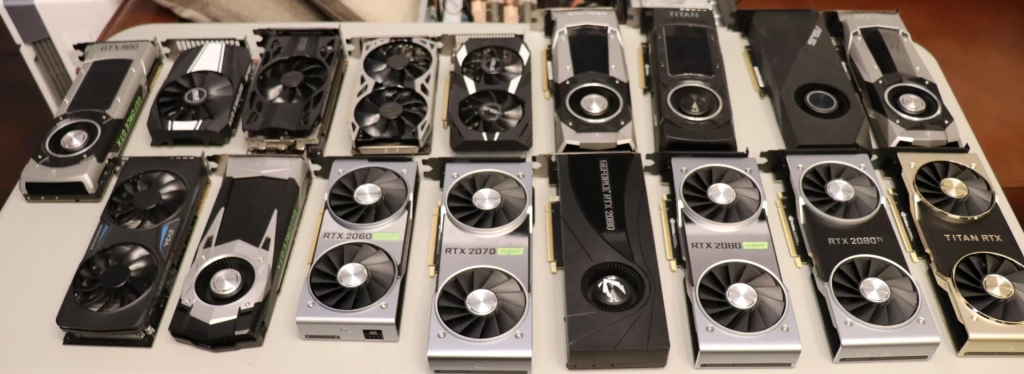
Recent development efforts have been heavily focused on laying the groundwork for Turing GPU support—encompassing the GeForce RTX 20 series and GTX 1600 series. While the Nova Core code can now parse and handle Turing-specific firmware headers and sections, and the Turing Falcon HAL (Hardware Abstraction Layer) implementation is in place, actual Turing enablement has yet to be flipped on.
This means that, for now, end-users will still need to pair Nouveau with Mesa for Turing hardware, unless they opt for NVIDIA’s official driver package. The Nova team is methodically checking off prerequisites, ensuring that when Turing support does land, it’s robust and reliable.
Beyond Turing, the Nova driver is seeing a steady stream of Rust code improvements, better handling of unexpected firmware values, and a cleanup of redundant debug print statements. These behind-the-scenes enhancements may not be flashy, but they’re critical for long-term stability and maintainability.
Arm Mali Tyr: Incremental Progress
On the Arm Mali side, the Tyr driver is also receiving incremental updates. While there’s nothing particularly headline-grabbing from an end-user perspective this cycle, the steady flow of code improvements underscores the broader industry trend toward safer, more maintainable kernel code via Rust.
What’s Next?
The full list of Rust DRM feature changes for Linux 7.0 can be found in Danilo Krummrich’s pull request to DRM-Next. As the merge window approaches, all eyes will be on whether Turing support finally crosses the finish line in Nova, and if Asahi’s AGX driver will join the upstreaming queue.
For now, the Rust DRM story is one of methodical progress—less about flashy new features, and more about laying a solid foundation for the future of graphics in Linux.
Tags & Viral Phrases:
Rust DRM, Linux 7.0, NVIDIA Nova, Turing GPU support, Asahi Linux AGX, Arm Mali Tyr, kernel graphics, open-source NVIDIA driver, Nouveau replacement, Falcon HAL, firmware headers, graphics driver development, Linux kernel merge window, Danilo Krummrich, DRM-Next, Rustification, kernel security, graphics stack, end-user impact, Nouveau vs Nova, Mesa integration, Apple Silicon Linux, GPU enablement, kernel maintainability, graphics subsystem, firmware parsing, debug cleanup, incremental driver progress, upstreaming challenges, graphics driver future.
,

Leave a Reply
Want to join the discussion?Feel free to contribute!