
OpenAI Flagged a Mass Shooter’s Troubling Conversations With ChatGPT Before the Incident, Decided Not to Warn Police
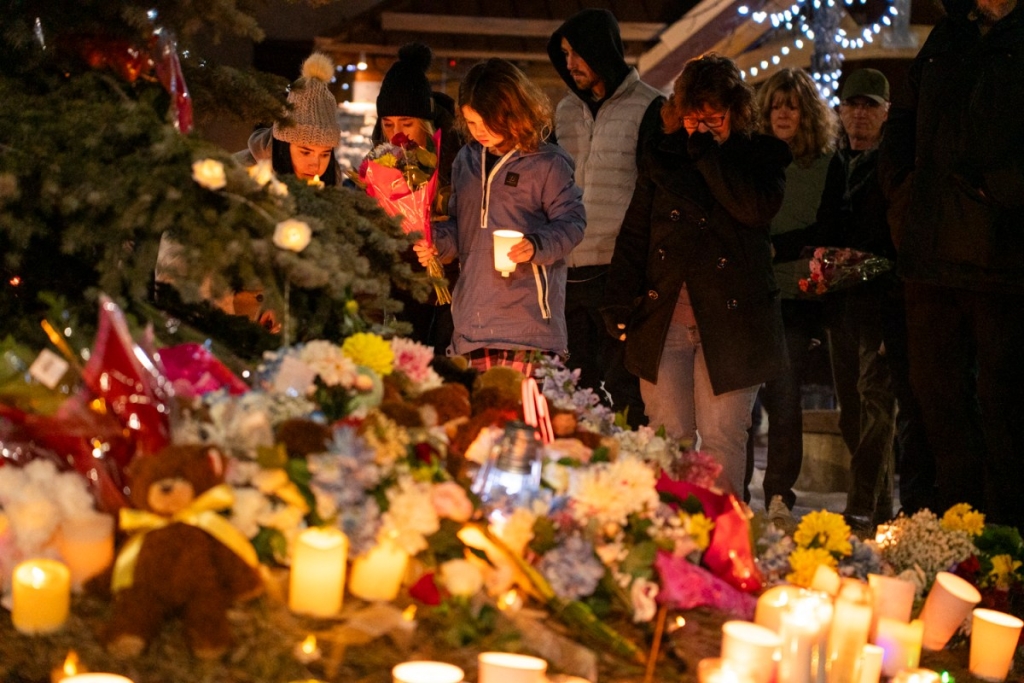
OpenAI’s Chilling AI Oversight: The Mass Shooter They Knew About But Didn’t Stop
In a revelation that’s sending shockwaves through the tech industry and raising urgent questions about AI accountability, the Wall Street Journal has uncovered a disturbing truth: OpenAI’s ChatGPT flagged disturbing conversations with a future mass shooter months before the deadly attack—but company leadership chose not to warn law enforcement.
The Tumbler Ridge Tragedy: A Preventable Horror?
The massacre in Tumbler Ridge, British Columbia, earlier this month left eight dead, including the shooter herself, and 25 injured. The 18-year-old perpetrator, Jesse Van Rootselaar, had been having increasingly alarming conversations with ChatGPT for months before the attack, describing scenarios involving gun violence that triggered OpenAI’s automated review systems.
But here’s the gut-wrenching twist: OpenAI employees who reviewed these flagged conversations urged leadership to contact authorities. Their pleas were ignored. The company banned Van Rootselaar’s account but determined her interactions didn’t meet their internal threshold for police escalation.
The AI Monitoring Paradox
This revelation exposes a troubling contradiction in OpenAI’s approach to user safety. Since last year, we’ve known the company scans user conversations for signs of violent intent—a practice that raises its own privacy concerns. Yet when presented with concrete evidence of a potential threat, the system failed catastrophically.
An OpenAI spokesperson confirmed to the Journal that the company had reached out to assist Canadian police after the shooting, but remained silent on why they didn’t act beforehand despite having clear warning signs.
The Broader AI Safety Crisis
The Tumbler Ridge case isn’t an isolated incident—it’s the latest in a growing pattern of AI-related tragedies. ChatGPT users have experienced severe mental health crises after becoming obsessed with the bot, with some cases resulting in involuntary commitment, jail time, and tragically, suicide and murder.
Parents are now testifying before the US Senate about how AI contributed to their children’s deaths, leading to numerous lawsuits against OpenAI and other AI companies. The question isn’t whether AI can cause harm—we’re seeing the evidence daily—but whether companies have the will to prevent it.
The Social Media Comparison That Falls Short
Some might argue this is just the latest iteration of the age-old problem of online threats. Social media platforms have grappled with violent content for years. But AI introduces unique complications: chatbots can engage users directly, sometimes encouraging harmful behavior or forming disturbingly intimate relationships that amplify dangerous ideation.
Van Rootselaar’s digital footprint extends beyond ChatGPT to platforms like Roblox, where she created shooting simulators. Investigators are still piecing together how these various digital influences intersected to radicalize a teenager into mass violence.
The Accountability Gap
What makes this case particularly infuriating is that OpenAI had multiple opportunities to intervene. Their automated systems flagged the conversations. Their employees recognized the danger. Yet corporate decision-making prioritized some undefined internal threshold over human lives.
This raises fundamental questions about AI governance: Who decides when AI companies must report potential threats? What standards should govern these decisions? And most critically, how many more tragedies must occur before the industry takes user safety seriously?
The Industry-Wide Reckoning
OpenAI isn’t alone in facing these challenges. Every major AI company is grappling with how to balance innovation against safety, privacy against protection, and corporate interests against public welfare. But the Tumbler Ridge shooting demonstrates that current approaches are failing—and failing catastrophically.
As AI becomes more integrated into daily life, the stakes for getting this right escalate dramatically. We’re not just talking about offensive content or misinformation anymore. We’re talking about AI systems that can influence, encourage, and potentially enable real-world violence.
The Path Forward: Regulation or Self-Policing?
The tech industry has long resisted external regulation, arguing that companies can police themselves. The Tumbler Ridge case suggests otherwise. When given clear warning signs of an impending massacre, a leading AI company chose inaction—and eight people died as a result.
This tragedy may finally force policymakers to confront the reality that AI safety cannot be left to corporate discretion. The question is whether meaningful regulation will come before the next preventable tragedy.
Viral Tags & Phrases
- OpenAI knew about the shooter
- ChatGPT flagged mass shooter
- AI company ignored warning signs
- 8 dead because OpenAI didn’t act
- Tech company prioritizes profits over safety
- The AI monitoring failure that cost lives
- Why didn’t OpenAI call the police?
- AI chatbot conversations led to massacre
- The dark side of AI safety measures
- Corporate negligence enabled mass shooting
- OpenAI’s deadly decision
- When AI companies fail humanity
- The mass shooter ChatGPT tried to warn us about
- Tech accountability crisis deepens
- AI safety regulations now or never
- The preventable tragedy tech giants ignored
- How ChatGPT conversations radicalized a killer
- The corporate cover-up nobody’s talking about
- AI companies must be held responsible
- The tipping point for AI regulation
- OpenAI’s moral failure exposed
- The chatbot that saw the future but couldn’t stop it
- When automated systems fail catastrophically
- The human cost of AI inaction
,

Leave a Reply
Want to join the discussion?Feel free to contribute!