
OpenAI Had Banned Military Use. The Pentagon Tested Its Models Through Microsoft Anyway
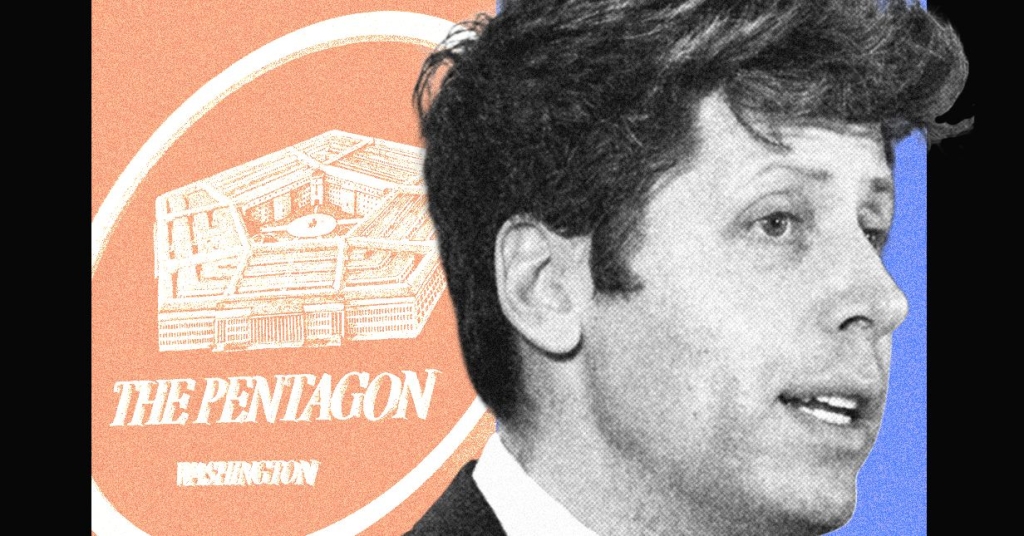
OpenAI’s Military Ties: A Tangled Web of Policy, Partnerships, and Pentagon Access
In the rapidly evolving landscape of artificial intelligence, few companies have found themselves as squarely in the crosshairs of controversy as OpenAI. The AI research and deployment company, led by CEO Sam Altman, has been navigating turbulent waters this week following the announcement of a new agreement with the United States military. The deal, which has sparked significant internal and external backlash, comes on the heels of Anthropic’s scuttled $200 million contract with the Pentagon, raising questions about OpenAI’s strategic direction and ethical boundaries.
The controversy erupted when OpenAI employees, already on edge after witnessing Anthropic’s military partnership implode under public scrutiny, discovered their own company had quietly inked a deal with the Department of Defense. The revelation prompted a wave of criticism from within OpenAI’s ranks, with staff demanding greater transparency about the terms and scope of the military agreement. In a rare moment of candor, Altman acknowledged the optics weren’t ideal, admitting on social media that the situation “looked sloppy” – an understatement that did little to quell the growing unrest.
However, what appears to be a recent policy shift may actually represent the culmination of a more complex and long-standing relationship between OpenAI, its primary investor Microsoft, and various branches of the U.S. military apparatus. Sources familiar with internal operations at OpenAI reveal that the Pentagon’s engagement with the company’s technology predates the current controversy by several years.
In 2023, OpenAI maintained a usage policy that explicitly prohibited military access to its AI models. Yet some employees became aware that Pentagon officials had already begun experimenting with Azure OpenAI, Microsoft’s commercial offering of OpenAI’s technology. This apparent contradiction stems from the intricate web of relationships between the three entities. Microsoft, as OpenAI’s largest investor and commercialization partner, possessed broad licensing rights to OpenAI’s technology and had maintained Department of Defense contracts for decades. The situation was further complicated when OpenAI employees observed Pentagon officials touring the company’s San Francisco headquarters – a development that left many staff members questioning the interpretation and enforcement of their own usage policies.
The ambiguity surrounding these policies created internal confusion about whether the military ban applied to Microsoft’s Azure OpenAI service. While OpenAI and Microsoft spokespeople maintain that Azure OpenAI products operate under Microsoft’s terms of service rather than OpenAI’s policies, the lack of clarity at the time left employees uncertain about the company’s true stance on military partnerships.
By January 2024, OpenAI quietly updated its usage policies, removing the blanket prohibition on military applications. The change, which several employees learned about through media reports rather than internal communications, signaled a significant shift in the company’s approach to defense partnerships. During an all-hands meeting following the policy update, company leadership attempted to reassure staff that any military collaborations would be approached with caution and careful consideration.
The strategic recalibration became more apparent in December 2024, when OpenAI announced a partnership with Anduril, a defense technology company specializing in autonomous systems. According to sources, OpenAI briefed employees that this collaboration would focus exclusively on unclassified workloads, distinguishing it from Anthropic’s more extensive agreement with Palantir, which included provisions for classified military applications. The selective nature of these partnerships suggests OpenAI is attempting to balance its commercial interests with ethical considerations, though employees remain divided on whether the company is striking the right balance.
The Anduril announcement catalyzed further internal dissent, with dozens of employees joining a dedicated Slack channel to voice their concerns about military partnerships. Some questioned the reliability of OpenAI’s models for critical defense applications, arguing that technology struggling to handle basic commercial tasks like credit card processing was ill-suited for battlefield scenarios where lives hang in the balance. Others expressed philosophical objections to the militarization of AI technology, fearing the potential consequences of autonomous systems in warfare.
The situation is further complicated by OpenAI’s interactions with other defense contractors. While the company declined Palantir’s invitation to participate in its “FedStart” program, citing excessive risk, OpenAI maintains other working relationships with the data analytics firm. This selective engagement strategy suggests a nuanced approach to defense partnerships, though the criteria for these decisions remain opaque to many employees.
As the controversy continues to unfold, several critical questions remain unanswered. The exact nature and scope of OpenAI’s agreement with the U.S. military remain unclear, as does the extent of Microsoft’s role in facilitating Pentagon access to OpenAI’s technology. The Department of Defense has not responded to requests for comment, leaving a significant gap in the public understanding of these partnerships.
What is clear, however, is that OpenAI finds itself at a crossroads, attempting to navigate the competing pressures of commercial opportunity, ethical responsibility, and employee concerns. The company’s journey from an organization with explicit military prohibitions to one actively pursuing defense partnerships reflects broader tensions within the AI industry about the appropriate boundaries for powerful technologies.
As artificial intelligence continues to advance and its potential applications in national security become increasingly apparent, companies like OpenAI will likely face growing pressure to define and defend their positions on military collaboration. The current controversy may represent not just a public relations challenge for OpenAI, but a pivotal moment in determining how the AI industry as a whole approaches the complex intersection of technology, ethics, and national security.
The coming months will likely reveal whether OpenAI can successfully manage these competing interests or whether the current unrest signals deeper, unresolved tensions about the company’s direction and values. For now, Sam Altman and his team must contend with both external scrutiny and internal dissent as they chart a course through uncharted ethical and strategic territory.
Tags: OpenAI military partnership, Sam Altman Pentagon deal, AI ethics controversy, Microsoft Azure OpenAI, Anduril collaboration, Anthropic Palantir contract, Department of Defense AI, Silicon Valley defense tech, national security AI, autonomous weapons debate, tech employee activism, AI policy ambiguity, classified military AI, Silicon Valley Pentagon ties, ethical AI development, defense contractor partnerships, AI reliability concerns, military AI applications, OpenAI internal dissent, technology ethics debate
Viral Sentences:
- “OpenAI’s military deal looks ‘sloppy’ admits CEO Sam Altman”
- “Employees discover Pentagon already using OpenAI tech despite ban”
- “Microsoft’s Azure OpenAI: The backdoor to military AI access”
- “Anduril partnership raises questions about OpenAI’s ethical boundaries”
- “AI too unreliable for credit cards, but battlefield-ready?”
- “Silicon Valley’s love-hate relationship with the military industrial complex”
- “The $200 million question: Why Anthropic’s Pentagon deal imploded”
- “OpenAI’s policy flip-flop: From military ban to defense partnerships”
- “Employees demand transparency as OpenAI courts the Pentagon”
- “Classified vs unclassified: OpenAI’s selective approach to military AI”
- “The Slack rebellion: How employees organized against military deals”
- “AI ethics in the crosshairs: National security vs corporate responsibility”
- “OpenAI’s identity crisis: Research lab or defense contractor?”
- “The invisible hand: Microsoft’s role in OpenAI’s military journey”
- “From San Francisco to the battlefield: OpenAI’s controversial evolution”
,

Leave a Reply
Want to join the discussion?Feel free to contribute!