
OpenAI Massively Cuts Spending Plan as Reality Closes in
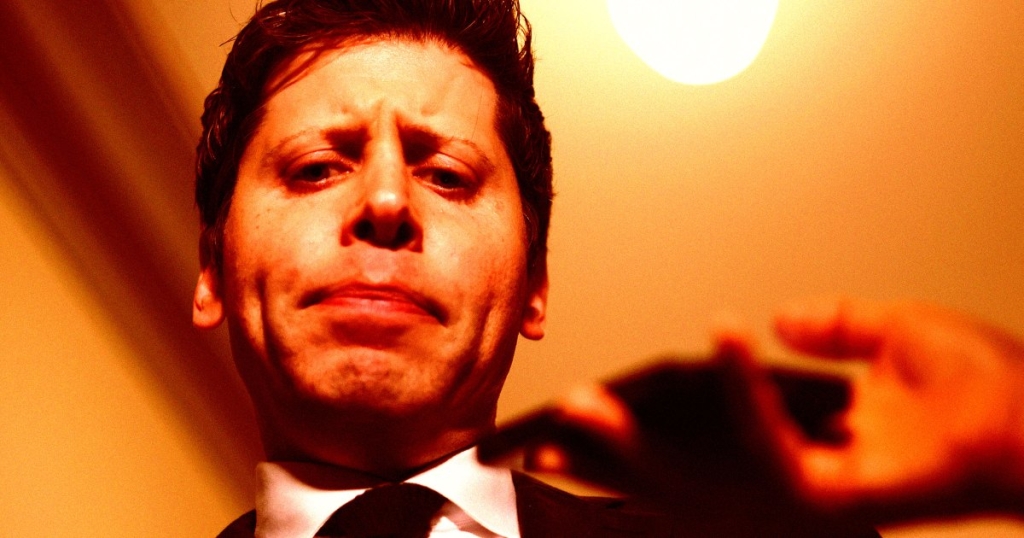
OpenAI Drastically Scales Back $1.4 Trillion AI Spending Plan Amid Growing Investor Panic
In a stunning reversal that’s sending shockwaves through Silicon Valley, OpenAI has dramatically slashed its projected AI infrastructure spending from a mind-boggling $1.4 trillion to approximately $600 billion by 2030. The move comes as the artificial intelligence gold rush shows signs of cooling, with investors growing increasingly nervous about tech giants burning through cash at unprecedented rates.
The dramatic pivot was first hinted at during a tense November podcast appearance where OpenAI CEO Sam Altman snapped at investor questions about the company’s astronomical spending commitments. “If you want to sell your shares, I’ll find you a buyer,” Altman retorted when challenged about how a company generating $13 billion in revenue could justify $1.4 trillion in spending commitments through the decade’s end.
The Numbers Don’t Add Up
The math was always questionable. OpenAI generated $13.1 billion in revenue for all of 2025 while simultaneously burning through $8 billion, according to sources cited by CNBC. The original $1.4 trillion commitment would have required spending hundreds of billions annually on data center buildouts—a figure that made even the most optimistic investors raise eyebrows.
The tech sector’s AI obsession has created what some analysts are calling “the everything bubble.” Microsoft’s stock plummeted earlier this year after the company reaffirmed its vast AI spending commitments. Amazon faced similar investor backlash. The market has become massively overindexed on AI promises, with companies competing to announce bigger and bigger infrastructure plans regardless of actual returns.
Competition Heats Up
OpenAI’s decision to scale back comes as competitors have made significant strides in catching up. Google, with its deeply established revenue sources, has been able to bankroll portions of its AI spending without the same level of investor scrutiny. Anthropic and other challengers have narrowed the gap that once seemed insurmountable.
The pressure intensified when Altman declared “code red” late last year, directing employees to prioritize ChatGPT development over other projects. The move was designed to maintain OpenAI’s competitive edge but added to concerns about the company’s focus and spending priorities.
The Ad Pivot
In a controversial move that drew derision from competitors, OpenAI recently announced plans to stuff its blockbuster ChatGPT chatbot with advertisements. The decision marks a significant shift for a company that had previously positioned itself as focused purely on advancing AI technology rather than monetization through traditional means.
The ad announcement came alongside other cost-cutting measures as the company attempts to demonstrate to investors that it can generate sustainable revenue streams beyond its massive funding rounds and compute spending.
Industry Tensions Boil Over
The AI sector’s internal divisions have become increasingly public. During a recent AI Summit in New Delhi, India, an awkward moment captured global attention when Prime Minister Narendra Modi instructed industry leaders to hold hands for a group photo. OpenAI’s Altman and Anthropic’s Dario Amodei notably refused the gesture, creating what one Reddit user called a “cringe masterpiece” of industry tension.
The incident highlighted the growing rift between AI companies competing for dominance in what many see as an increasingly crowded and uncertain market. What was once portrayed as a collaborative effort to advance human knowledge has devolved into fierce competition for market share and investor dollars.
What This Means for the AI Bubble
OpenAI’s spending cut represents more than just a company adjusting its projections—it signals potential cracks in the foundation of the AI investment thesis that has driven tech valuations to record highs. The move suggests that even the most prominent AI companies are feeling pressure to demonstrate fiscal responsibility as the initial hype cycle shows signs of maturing.
Industry analysts are watching closely to see if other AI companies follow suit with their own spending adjustments. The $600 billion target still represents massive investment, but the halving of the original projection sends a clear message: the era of unlimited AI spending may be coming to an end.
As the dust settles on this announcement, one question looms large: if OpenAI, with its massive funding and market position, is scaling back, what does this mean for smaller AI startups burning through venture capital at unsustainable rates? The answer could determine whether the AI revolution continues its upward trajectory or experiences the kind of correction that tech bubbles are famous for.
Tags
OpenAI #AI #ArtificialIntelligence #SamAltman #TechBubble #Investment #AIspending #ChatGPT #SiliconValley #TechCrunch #VentureCapital #DataCenters #Microsoft #Google #Anthropic #AICompetition #TechNews #FutureOfAI
Viral Phrases
“AI bubble popping” “Sam Altman loses his cool” “code red declared” “burning through oodles of cash” “the everything bubble” “AI gold rush cooling” “astronomical planned capital expenditures” “cringe masterpiece” “unlimited AI spending may be ending” “AI revolution correction” “tech bubble famous for”
,

Leave a Reply
Want to join the discussion?Feel free to contribute!