
OpenAI’s Sam Altman announces Pentagon deal with ‘technical safeguards’
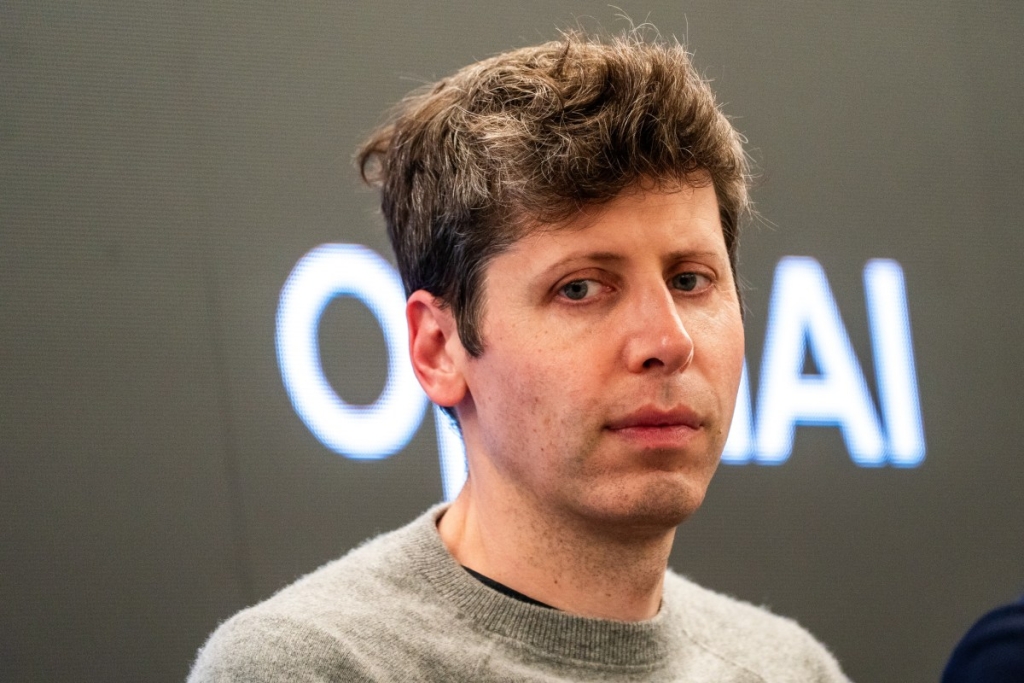
OpenAI Secures Landmark Pentagon Contract Amid AI Ethics Showdown with Anthropic
In a dramatic turn of events that has sent shockwaves through Silicon Valley and Washington D.C., OpenAI CEO Sam Altman announced late Friday that his company has secured a groundbreaking agreement allowing the Department of Defense to deploy OpenAI’s artificial intelligence models on the Pentagon’s classified networks.
The announcement comes at the height of a bitter public feud between the U.S. military and Anthropic, OpenAI’s chief AI competitor, over the ethical boundaries of military AI deployment. What began as behind-the-scenes negotiations has exploded into a full-blown tech industry crisis, with implications for national security, corporate ethics, and the future of AI governance.
The Pentagon’s AI Push Meets Resistance
The controversy erupted when the Department of Defense, operating under its Trump-era designation as the Department of War, demanded that AI companies grant unrestricted access to their models for “all lawful purposes.” This sweeping mandate included potential applications ranging from intelligence analysis to autonomous weapons systems.
Anthropic, founded by former OpenAI researchers and backed by Google, pushed back forcefully. The company drew what it called “narrow but critical” ethical boundaries, specifically prohibiting mass domestic surveillance and fully autonomous weapons that could make life-or-death decisions without human oversight.
In a detailed statement released Thursday, Anthropic CEO Dario Amodei clarified the company’s position: “We never raised objections to particular military operations nor attempted to limit use of our technology in an ad hoc manner. However, in a narrow set of cases, we believe AI can undermine, rather than defend, democratic values.”
Tech Workers Take Sides
The internal battle spilled into public view when over 60 OpenAI employees and 300 Google employees signed an open letter supporting Anthropic’s stance. This unprecedented show of worker solidarity highlighted the deep divisions within the AI industry over the militarization of artificial intelligence.
The letter emphasized concerns about accountability, transparency, and the potential for AI systems to be used in ways that could violate human rights or democratic principles. Many signatories expressed fear that unrestricted military use could lead to an AI arms race with potentially catastrophic consequences.
Trump Administration Escalates
President Donald Trump entered the fray with characteristic force, taking to social media to denounce Anthropic’s leadership as “Leftwing nut jobs” and directing federal agencies to begin phasing out the company’s products over a six-month period.
Secretary of Defense Pete Hegseth amplified the administration’s position, accusing Anthropic of attempting to “seize veto power over the operational decisions of the United States military.” In a move with potentially devastating commercial consequences, Hegseth designated Anthropic as a supply-chain risk, effectively barring any company doing business with the U.S. military from engaging with Anthropic.
“This is not about ethics,” Hegseth declared. “This is about ensuring our military has access to the best technology available without interference from corporate interests that don’t understand the realities of national defense.”
OpenAI’s Calculated Maneuver
Amidst this escalating crisis, Sam Altman’s announcement of OpenAI’s Pentagon contract represents a masterful strategic play. By securing the agreement first, OpenAI positioned itself as the administration’s preferred AI partner while simultaneously addressing many of the ethical concerns that had derailed Anthropic’s negotiations.
Altman revealed that the contract includes specific prohibitions on domestic mass surveillance and requires human responsibility for any use of force, including autonomous weapon systems. “The DoW agrees with these principles, reflects them in law and policy, and we put them into our agreement,” Altman stated.
The OpenAI CEO went further, announcing that the company would build technical safeguards to ensure model compliance and deploy dedicated engineers to work alongside Pentagon personnel. This hands-on approach addresses concerns about AI systems being misused or operating beyond intended parameters.
The Safety Stack Solution
According to reporting by Fortune’s Sharon Goldman, Altman told OpenAI employees during an all-hands meeting that the government has agreed to allow OpenAI to build its own “safety stack” – a comprehensive framework of technical and procedural safeguards designed to prevent misuse.
Critically, Altman emphasized that “if the model refuses to do a task, then the government would not force OpenAI to make it do that task.” This provision appears to preserve OpenAI’s ethical boundaries while still enabling military applications that align with both company values and government needs.
A Call for Industry Unity
In a move that could reshape the entire AI industry, Altman called on the Department of Defense to offer these same terms to all AI companies. “We have expressed our strong desire to see things de-escalate away from legal and governmental actions and towards reasonable agreements,” he said.
This proposal effectively challenges Anthropic to accept terms that address its core ethical concerns while still enabling military collaboration. It also puts pressure on other AI companies to either accept similar terms or risk being excluded from lucrative government contracts.
The Broader Context
The timing of these developments adds another layer of complexity to the situation. Altman’s announcement came just hours before news broke of U.S. and Israeli military strikes against Iran, with President Trump calling for the overthrow of the Iranian government.
This escalation in Middle Eastern tensions underscores the high stakes involved in military AI development. As geopolitical conflicts intensify, the pressure on tech companies to support national defense efforts while maintaining ethical standards has never been greater.
Industry Implications
The outcome of this standoff will likely determine the future landscape of AI development and deployment. Companies that align with government priorities may secure massive contracts and favorable regulatory treatment, while those that resist could face exclusion from the defense sector entirely.
For the tech industry, this represents a fundamental choice between commercial opportunity and ethical principles. The decisions made in the coming months could establish precedents that shape AI development for decades to come.
Global Competition
The U.S. government’s aggressive stance also reflects growing concerns about AI competition with China and other geopolitical rivals. American officials view leadership in military AI as crucial for maintaining strategic advantages in an increasingly complex global security environment.
This competitive dynamic adds urgency to the negotiations and may explain the administration’s willingness to use its considerable leverage to ensure compliance from AI companies.
The Path Forward
As Anthropic prepares to challenge its supply-chain risk designation in court, and other AI companies weigh their options, the industry finds itself at a crossroads. OpenAI’s deal with the Pentagon may represent a template for future agreements, but it also raises questions about whether ethical compromises are inevitable in the pursuit of national security objectives.
The coming weeks will be critical as companies, workers, and policymakers grapple with these complex issues. The decisions made now could determine not only the future of AI development but also the balance between technological progress, ethical responsibility, and national security in the age of artificial intelligence.
Tags: OpenAI Pentagon contract, AI military ethics, Anthropic vs OpenAI, Department of Defense AI, Sam Altman, Dario Amodei, Trump administration tech policy, AI safety safeguards, military AI deployment, Silicon Valley national security, autonomous weapons ethics, tech worker activism, AI arms race, supply chain risk designation, AI safety stack, human oversight AI, domestic surveillance AI, geopolitical AI competition, defense tech contracts, AI industry standards
Viral Phrases: “Leftwing nut jobs at Anthropic,” “seize veto power over military decisions,” “safety stack” solution, “refuses to do a task,” “de-escalate legal actions,” “build technical safeguards,” “human responsibility for use of force,” “mass domestic surveillance prohibition,” “challenge supply chain risk in court,” “hands-on Pentagon engineers,” “ethical boundaries AI,” “military AI without interference,” “corporate interests vs national defense,” “AI development crossroads,” “technological progress vs ethical responsibility”
,
Leave a Reply
Want to join the discussion?Feel free to contribute!