
OpenRazer 3.12.1 Enables Two More Razer Devices Under Linux
OpenRazer 3.12.1 Expands Linux Support for Razer Hardware with Two New Device Integrations
Linux gaming enthusiasts and hardware aficionados have reason to celebrate as the OpenRazer project has released version 3.12.1, bringing expanded compatibility for Razer peripherals on the open-source operating system. This latest maintenance update follows the feature-rich 3.12 release from mid-March and demonstrates the project’s continued commitment to bridging the gap between premium gaming hardware and Linux platforms.
Basilisk Mobile Joins the OpenRazer Family
The headline feature of OpenRazer 3.12.1 is the addition of support for the Razer Basilisk Mobile gaming mouse, a significant win for Linux users seeking high-performance peripherals. This ambidextrous gaming mouse, which retails for approximately $90 USD through major retailers like Amazon, now functions seamlessly in both wired and wireless receiver modes when paired with OpenRazer drivers on Linux systems.
The Basilisk Mobile represents Razer’s attempt to create a versatile gaming mouse that doesn’t compromise on performance regardless of connection method. With OpenRazer 3.12.1, Linux users can now take full advantage of this device’s capabilities, including customizable DPI settings, programmable buttons, and the signature ergonomic design that Razer has refined over multiple generations.
What makes this integration particularly noteworthy is that it demonstrates OpenRazer’s ability to handle complex wireless protocols and maintain stable connections—a technical challenge that has historically plagued open-source peripheral drivers. The successful implementation suggests that the OpenRazer team has developed robust solutions for managing the low-level communication required for wireless gaming peripherals.
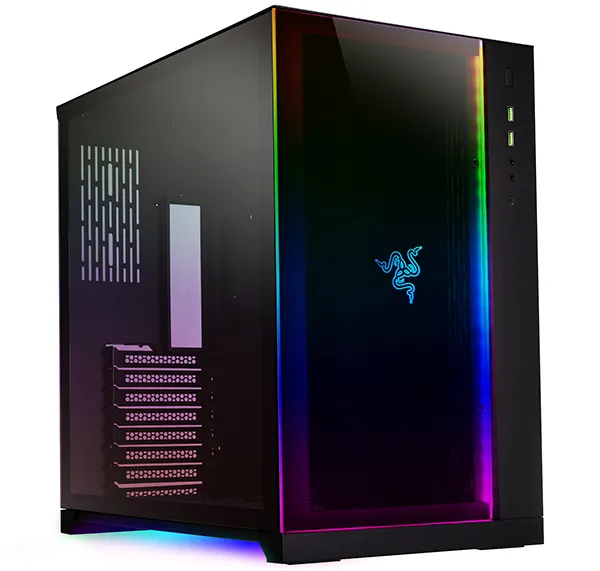
Lian Li O11 Dynamic – Razer Edition Gets Linux Love
In a surprising move that expands beyond traditional gaming mice and keyboards, OpenRazer 3.12.1 also introduces support for the Lian Li O11 Dynamic – Razer Edition computer chassis. This collaboration between Lian Li and Razer, which launched several years ago, represents a unique intersection of premium PC case design and gaming aesthetics.
The Lian Li O11 Dynamic series has become something of an icon in the PC building community, known for its distinctive layout that emphasizes vertical GPU mounting and exceptional cable management capabilities. The Razer Edition takes this foundation and adds integrated RGB lighting, Razer Chroma compatibility, and specialized monitoring features that allow users to control and customize their case lighting through Razer’s ecosystem.
By adding support for this chassis to OpenRazer, the development team has effectively expanded the project’s scope beyond input devices to include system integration components. This move signals a broader vision for OpenRazer as a comprehensive solution for managing Razer ecosystem products on Linux, potentially paving the way for support of additional non-traditional peripherals in future releases.
Technical Improvements and Bug Fixes
Beyond the new device support, OpenRazer 3.12.1 includes several important bug fixes that address stability and compatibility issues reported by users. While the specific details of these fixes are documented on the project’s GitHub release page, they typically address common pain points such as device detection reliability, lighting synchronization problems, and compatibility with various Linux distributions and desktop environments.
The maintenance release approach demonstrates the OpenRazer team’s commitment to quality and user experience. Rather than rushing new features, they’ve taken the time to ensure that existing functionality remains stable while expanding support for new hardware. This balanced approach is crucial for maintaining user trust in open-source projects that handle system-level hardware interactions.
Installation and Availability
OpenRazer 3.12.1 is available immediately through standard package management channels on most Linux distributions. Users can typically install or update through their distribution’s package manager, though the specific commands vary depending on the Linux flavor being used. For those who prefer the latest versions or need features not yet available in their distribution’s repositories, the OpenRazer team maintains comprehensive installation instructions on their GitHub repository.
The project continues to rely on community support and contributions, with the development team actively encouraging users to report issues, submit pull requests, and participate in testing new features. This collaborative approach has been instrumental in OpenRazer’s success, allowing it to achieve compatibility with an increasingly wide range of Razer products despite limited resources compared to proprietary alternatives.
The Growing Importance of Linux Gaming Support
The release of OpenRazer 3.12.1 comes at a time when Linux gaming is experiencing unprecedented growth, largely driven by Valve’s Steam Deck and the broader adoption of Proton for running Windows games on Linux. As more gamers consider Linux as a viable primary gaming platform, the availability of high-quality drivers for premium gaming hardware becomes increasingly critical.
Razer has historically been one of the more Linux-friendly gaming peripheral manufacturers, and the success of OpenRazer has likely encouraged this stance. By providing open-source drivers that work well, the Linux community has demonstrated that supporting the platform can be done effectively without requiring significant investment from hardware manufacturers.
Looking Ahead
With the addition of the Basilisk Mobile and Lian Li O11 Dynamic – Razer Edition support, OpenRazer 3.12.1 sets the stage for future expansion into new categories of Razer products. The successful integration of a computer chassis suggests that the project’s architecture is flexible enough to handle increasingly complex hardware interactions.
As Linux gaming continues to mature, projects like OpenRazer will play an essential role in ensuring that users have access to the same quality of hardware support they would expect on other operating systems. The 3.12.1 release represents another step forward in this journey, bringing premium Razer hardware within reach of the Linux gaming community.
Tags: Linux, Open Source, Gaming, Razer, OpenRazer, Hardware Drivers, Linux Gaming, Basilisk Mobile, Lian Li, PC Building, RGB Lighting, Chroma, Peripheral Support, System Integration, Wireless Mouse, Gaming Mouse, Computer Chassis, Open Source Drivers, Linux Compatibility, Hardware Support
Viral Phrases: Linux gaming revolution, Open source triumphs, Razer goes Linux, Gaming on Linux just got better, Basilisk Mobile unleashed, Lian Li meets Linux, Chroma lighting on Linux, OpenRazer expands universe, Wireless gaming perfected, Linux users rejoice, Premium hardware support, Gaming peripherals unlocked, System integration achieved, Linux gaming ecosystem grows, Open source gaming hardware, Razer ecosystem complete, Linux gaming future bright, Hardware compatibility breakthrough, Gaming community celebrates, Open source innovation wins
,

Leave a Reply
Want to join the discussion?Feel free to contribute!