
OPPO’s Find N6 foldable has a unique multitasking feature that Google needs to steal immediately
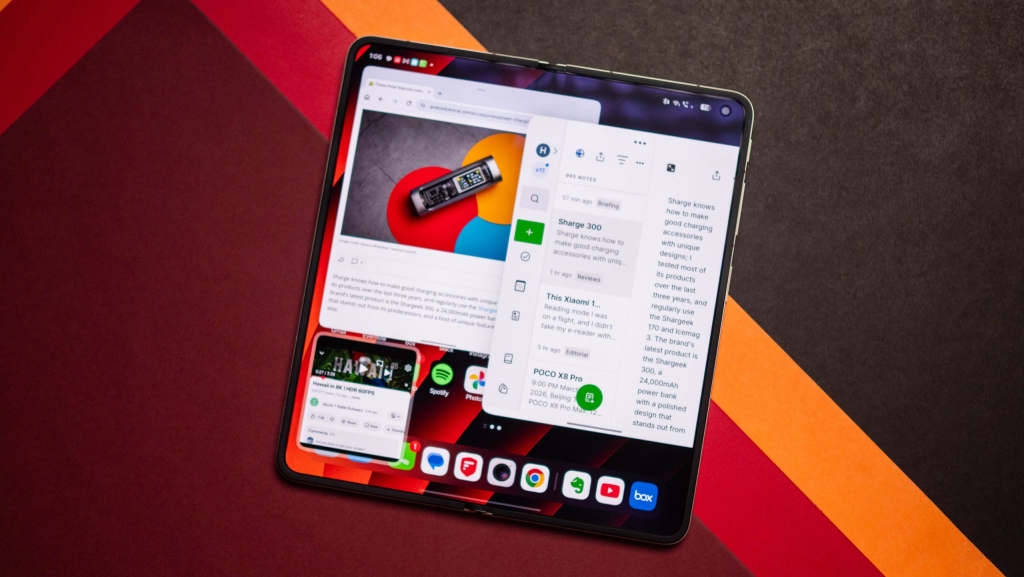
OPPO Find N6 Review: The Multitasking Powerhouse That Redefines Foldable Productivity
Introduction
The foldable smartphone market has evolved dramatically over the past few years, with manufacturers constantly pushing the boundaries of what these devices can do. While Samsung’s Galaxy Z Fold series has dominated the space, OPPO has been quietly innovating with its Find N lineup. The Find N6 represents the company’s most ambitious foldable yet, featuring a groundbreaking multitasking feature called Free-Flow Window that transforms the device into a productivity powerhouse.
In this comprehensive review, we’ll dive deep into what makes the Find N6 special, with particular focus on its revolutionary multitasking capabilities, design innovations, and overall user experience. If you’re considering a foldable in 2024 or simply curious about the future of mobile productivity, this review is essential reading.
What is Free-Flow Window, and Why is it So Revolutionary?
OPPO’s Free-Flow Window is arguably the most significant software innovation we’ve seen on a foldable device to date. At its core, this feature allows users to run up to four applications simultaneously in floating windows that can be resized and positioned anywhere on the screen.
The concept is simple but the execution is brilliant. Unlike traditional split-screen multitasking that confines you to predetermined window sizes and arrangements, Free-Flow Window gives you complete freedom. Want to have a video call taking up half the screen while three other apps occupy the remaining space in whatever configuration you prefer? No problem. Need to reference multiple documents while taking notes? Easy.
What truly sets Free-Flow Window apart is how seamlessly it integrates with the foldables’ form factor. The 8.12-inch inner display becomes a canvas for productivity, allowing you to arrange apps in ways that would be impossible on a traditional smartphone or even many tablets.
Real-World Productivity Scenarios
During my two-week testing period, I found myself using Free-Flow Window in ways I never thought possible on a mobile device. Here are some scenarios where it truly shines:
Document Processing and Research: While working on a visa application, I had the application form open in one window, reference documents in Google Drive in another, and Chrome for additional research—all active simultaneously. The ability to copy and paste between these windows without constantly switching apps saved me significant time.
Remote Work and Collaboration: During video conferences, I could have my notes app open alongside the meeting, with additional reference materials visible without disrupting the call. This setup mimics having multiple monitors but in a device that fits in your pocket.
Content Creation: As a writer, I frequently need to reference source material while drafting articles. Free-Flow Window allowed me to have my research notes, source documents, and writing app all visible at once, dramatically improving my workflow.
Creative Workflows: Designers and artists can have reference images, color palettes, and their creative tools all visible simultaneously, creating a mobile studio experience that was previously impossible.
How to Enable and Use Free-Flow Window
OPPO has implemented Free-Flow Window with impressive flexibility, offering multiple ways to activate this feature:
Gesture Controls
The most intuitive method is the four-finger pinch gesture. Simply pinch inward with four fingers anywhere on the screen while an app is active, and it instantly transforms into a floating window. This gesture feels natural and becomes second nature after just a few uses.
Swipe Gestures
You can also activate floating windows by swiping inward from either bottom corner of the screen. However, this requires disabling the digital assistant (Gemini) first, as the default behavior launches the assistant instead. This is a minor inconvenience but worth the trade-off for the functionality.
Action Menu
The most reliable method involves using the app’s action menu:
- With an app active, pull up the overview menu
- Select the three dots at the top
,

Leave a Reply
Want to join the discussion?Feel free to contribute!