
Optiscaler updated to support FSR 4 on older AMD RX 6000 GPUs without the need for driver mods
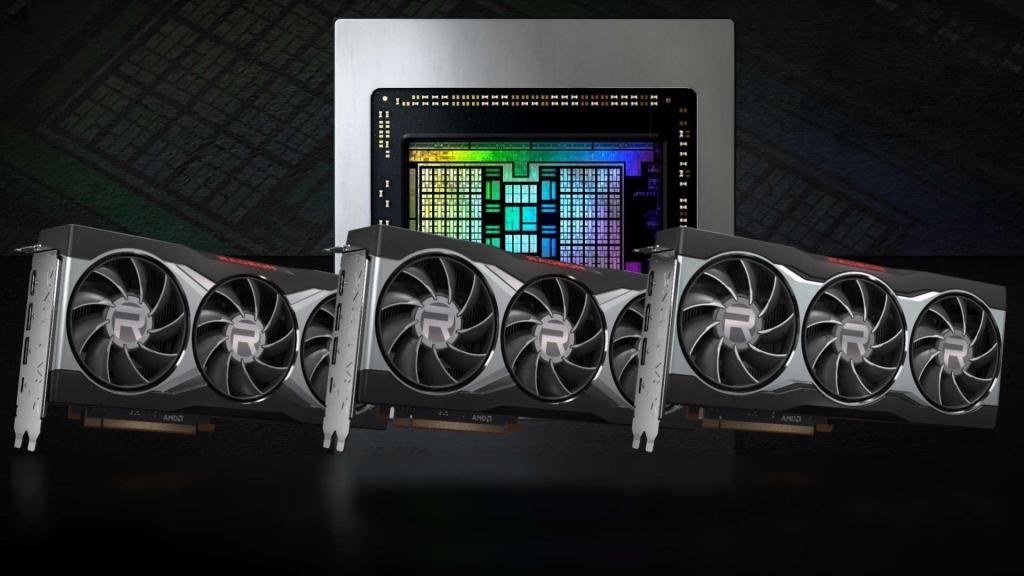
AMD RX 6000 GPUs Can Now Run FSR 4 Without Driver Mods Thanks to Optiscaler Update
Breaking News: AMD’s latest FSR 4 upscaling technology is now officially available for RX 6000 series GPUs without requiring any driver modifications, marking a significant breakthrough for owners of older RDNA 2 graphics cards.
The Game-Changing Update
The community-driven tool Optiscaler has just released a major update that eliminates the need for modified drivers on AMD’s RX 6000 series (RDNA 2) GPUs. This development comes after months of users struggling with ghosting artifacts and compatibility issues when trying to enable FSR 4 on their older hardware.
Previously, enabling FSR 4 on RX 6000 cards required using outdated, modified GPU drivers – a process that was both cumbersome and prone to visual glitches. The new Optiscaler update addresses these pain points directly, promising “significantly improved” ghosting reduction and compatibility with the latest AMD drivers.
What This Means for Gamers
For the millions of gamers still rocking AMD’s RX 6000 series cards – including popular models like the RX 6800 and RX 6700 XT – this update represents a substantial performance boost. FSR 4, AMD’s latest machine-learning-based upscaling technology, delivers noticeably superior image quality compared to previous FSR versions.
The update works by automatically swapping in the appropriate FSR 4 INT8 libraries when running compatible games. Users can access the Optiscaler interface through a simple keyboard shortcut while in-game, making the entire process much more accessible than previous manual file-swapping methods.
Technical Deep Dive
The breakthrough here is particularly interesting from a technical perspective. AMD’s official FSR 4 release uses FP8 libraries designed specifically for the company’s latest RDNA 4 GPUs. However, a leak of the FSR source code revealed alternative INT8 libraries that can run on older RDNA 2 and RDNA 3 hardware.
Optiscaler essentially bridges this gap by providing a user-friendly interface to implement these alternative libraries. The tool searches for the relevant upscaling DLLs and automatically replaces them with the appropriate versions for your specific GPU architecture.
Performance and Quality Considerations
While the INT8 version of FSR 4 isn’t entirely identical to the official FP8 release, early user reports suggest the performance gains are significant enough to justify the switch. Reddit communities dedicated to Radeon hardware have been buzzing with positive feedback about both improved frame rates and reduced ghosting artifacts.
However, it’s worth noting that AMD has been cautious about officially supporting this workaround. The company cites quality control and user experience concerns as primary reasons for not endorsing the INT8 version on older hardware. Despite this, the door remains slightly ajar for potential future official support, possibly in beta form.
The Bigger Picture
This development highlights the ongoing tension between hardware manufacturers’ product strategies and the enthusiast community’s desire to extend the lifespan of their existing hardware. While AMD naturally wants to push users toward newer RDNA 4 GPUs, tools like Optiscaler demonstrate that older hardware can often handle more than manufacturers initially claim.
The situation also raises interesting questions about software optimization and the true capabilities of GPU architectures across generations. If RDNA 2 hardware can effectively run FSR 4 with some clever engineering, what other features might be possible on older hardware with the right software support?
Looking Ahead
For now, RX 6000 series owners can breathe a sigh of relief knowing they can enjoy AMD’s latest upscaling technology without jumping through technical hoops or compromising on driver stability. The update represents a win for the enthusiast community and a potential headache for AMD’s marketing team, who would prefer to see users upgrading to newer hardware.
As the gaming industry continues to push for higher resolutions and frame rates, tools like Optiscaler may become increasingly important in helping gamers get the most out of their existing hardware investments. Whether AMD will eventually embrace this community-driven solution or continue to push for official support of older hardware remains to be seen.
Tags & Viral Phrases:
FSR 4 breakthrough, RX 6000 FSR 4 support, Optiscaler game changer, AMD ghosting fix, RDNA 2 FSR 4, GPU driver mod workaround, gaming performance boost, machine learning upscaling, community tool success, graphics card lifespan extension, AMD enthusiast victory, driver compatibility solved, visual quality improvement, gaming hardware optimization, tech community triumph
,

Leave a Reply
Want to join the discussion?Feel free to contribute!