
OrangePi Neo console delayed indefinitely over RAM crisis
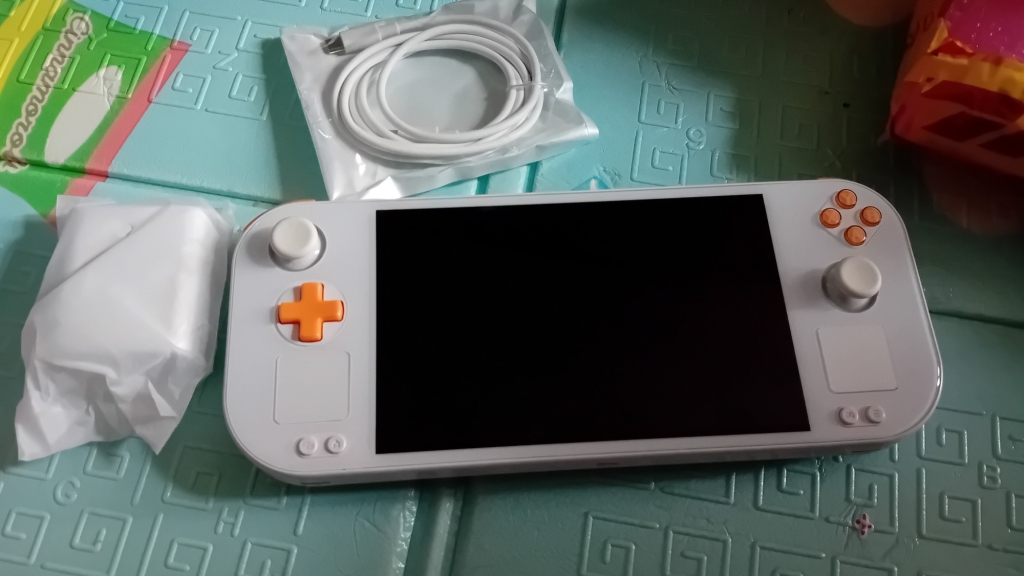
OrangePi Neo Handheld Console Development Paused Amid Global Memory Shortage
The handheld gaming market, already reeling from component shortages and price hikes, has suffered another blow. Manjaro’s highly anticipated OrangePi Neo Linux-based gaming handheld has been officially placed on indefinite hold, marking yet another casualty in the ongoing global semiconductor crisis.
A Promising Concept Meets Harsh Reality
When Manjaro first announced the OrangePi Neo, enthusiasts were thrilled. The device promised to deliver a compelling portable gaming experience with premium specifications: an AMD Ryzen 7 processor, a vibrant 7-inch Full HD+ display with 120Hz refresh rate, and the flexibility of running Manjaro’s Linux-based gaming operating system.
The pricing strategy was particularly attractive—$450 for a configuration with 16GB LPDDR5 RAM, and $550 for a beefier 32GB variant. This positioned the Neo as a serious contender in the premium handheld market, potentially offering more power and flexibility than many existing Android-based portable consoles.
The Perfect Storm of Supply Chain Disruptions
However, the project’s ambitious timeline has collided with harsh economic realities. In a recent update from Philip Müller of Manjaro, the development team revealed that escalating costs for DDR5 RAM and SSD storage have forced them to place the entire project “on ice.”
The timing couldn’t be worse. The global semiconductor industry is experiencing unprecedented volatility, with memory prices surging to levels not seen in years. LPDDR5, the specific type of RAM planned for the OrangePi Neo, has become particularly scarce and expensive due to high demand from smartphone manufacturers, laptop producers, and data center operators.
Progress Despite Setbacks
Despite the pause, the OrangePi Neo team hasn’t been idle. Müller noted that crucial certifications for CE (European Conformity) and FCC (Federal Communications Commission) compliance have been successfully completed. This represents significant progress, as regulatory approval is often one of the most time-consuming and expensive hurdles in bringing consumer electronics to market.
Additionally, the team has been refining the Manjaro Gaming Edition software that will power the device. These behind-the-scenes improvements suggest that when the hardware situation stabilizes, the OrangePi Neo could launch with a polished, optimized experience.
The Broader Context: A Handheld Market in Crisis
The OrangePi Neo’s troubles aren’t occurring in isolation. The handheld gaming market has been particularly vulnerable to supply chain disruptions. Just weeks ago, Retroid, another prominent handheld manufacturer, announced price increases and discontinued certain models due to similar component shortages.
This pattern reflects a troubling trend: as component prices rise and availability decreases, manufacturers are forced to make difficult decisions. Some, like Retroid, opt to raise prices and potentially alienate their customer base. Others, like Manjaro with the OrangePi Neo, choose to pause development entirely rather than release a product at an unsustainable cost.
The DDR5 Dilemma
The specific focus on DDR5 RAM highlights a critical issue in modern electronics manufacturing. LPDDR5 offers significant performance advantages over previous generations—higher bandwidth, lower power consumption, and better overall efficiency. However, these benefits come at a cost, both literally and figuratively.
For a device like the OrangePi Neo, LPDDR5 was essential to achieving the performance targets set by the development team. The AMD Ryzen 7 processor demands substantial memory bandwidth to reach its full potential, and LPDDR5 provides that capability. Switching to older DDR4 or LPDDR4X would have meant compromising the device’s core value proposition.
What This Means for Consumers
For potential OrangePi Neo buyers, this development is undoubtedly disappointing. Many had been eagerly anticipating a powerful, open-source alternative to proprietary handheld gaming solutions. The promise of running full Linux distributions, accessing a wide range of emulators and games, and enjoying premium hardware at a reasonable price point had generated significant excitement within the gaming community.
The indefinite pause also raises questions about the project’s future. While Müller’s statement ends with an ellipsis, suggesting hope for eventual launch, the reality is that the semiconductor shortage shows no signs of immediate resolution. Industry analysts predict that memory prices and availability may not stabilize until late 2026 at the earliest, and even that timeline is optimistic.
The Silver Lining: A Maturing Market
Despite the disappointment, there’s a broader perspective to consider. The very fact that companies like Manjaro are attempting to enter the handheld market with premium, open-source devices indicates a maturing ecosystem. Five years ago, such a project would have been unthinkable for an independent software company.
The challenges facing the OrangePi Neo also highlight the growing sophistication of the handheld gaming market. Consumers now expect desktop-class performance, high-refresh-rate displays, and modern memory standards in their portable devices. This demand is driving innovation but also creating vulnerabilities when supply chains are disrupted.
Looking Ahead
As we approach what was supposed to be the OrangePi Neo’s launch window in H1 2026, the handheld gaming landscape continues to evolve. Established players are releasing new models, while smaller companies struggle with the same supply chain issues affecting Manjaro.
The question now is whether the OrangePi Neo will eventually see the light of day, and if so, in what form. Will Manjaro wait for component prices to normalize? Will they redesign the device to use more readily available components? Or will the project quietly fade away, another casualty of the ongoing semiconductor crisis?
For now, the OrangePi Neo remains in limbo—a promising concept frozen by circumstances beyond anyone’s control. It serves as a stark reminder that even in the fast-paced world of technology, sometimes progress must pause when fundamental building blocks become unavailable or prohibitively expensive.
The handheld gaming community will undoubtedly be watching closely for any updates from Manjaro, hoping that this talented team can find a way to bring their vision to life despite the challenging circumstances. Until then, the OrangePi Neo joins the growing list of products caught in the crosshairs of the global component shortage, a testament to how deeply these supply chain issues are affecting the technology we love.
Tags & Viral Phrases:
- Handheld gaming crisis
- DDR5 shortage
- Manjaro OrangePi Neo paused
- Semiconductor supply chain disaster
- Gaming handheld price hikes
- Linux portable gaming device
- AMD Ryzen 7 handheld
- Memory crisis 2026
- CE FCC certification delays
- Open source gaming handheld
- Component shortage impact
- Premium handheld market struggles
- LPDDR5 scarcity
- Gaming device development hell
- Tech industry supply chain nightmare
- Handheld console price increases
- OrangePi Neo on ice
- Global memory shortage effects
- Portable gaming device delays
- Technology component crisis
,


Leave a Reply
Want to join the discussion?Feel free to contribute!