
‘Orwellian’: Sainsbury’s staff using facial recognition tech eject innocent shopper | Facial recognition
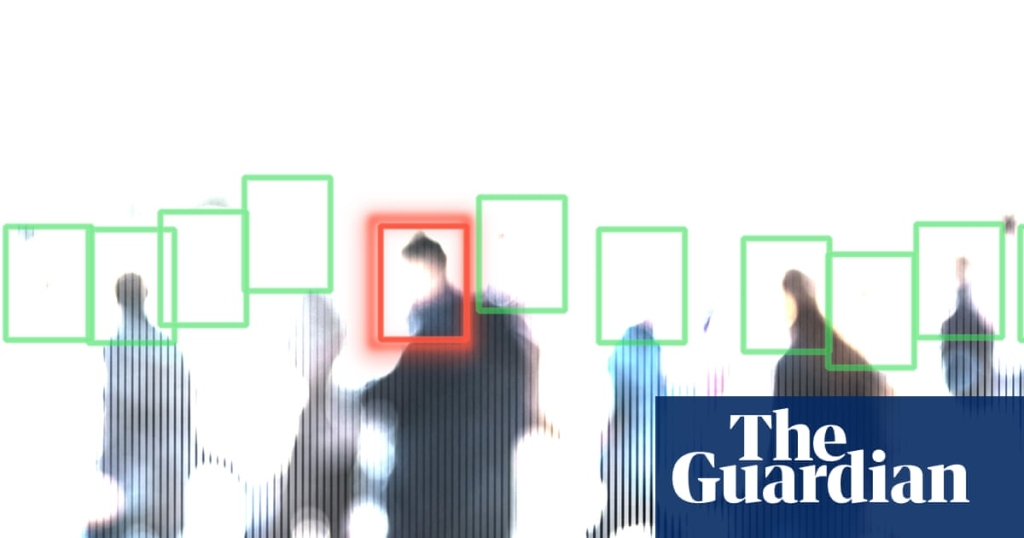
Facial Recognition Mishap in London Supermarket Sparks Privacy Concerns and Calls for Accountability
In a troubling incident that highlights the growing concerns around facial recognition technology in public spaces, a London man was wrongfully ejected from a Sainsbury’s supermarket after being misidentified by the store’s controversial surveillance system. The case, which unfolded in the Elephant and Castle area of London, has reignited debates about the ethical implications of deploying such technology without robust safeguards.
Warren Rajah, a regular customer at the Sainsbury’s store, was conducting his usual shopping when he was approached by three members of staff. One of them appeared to confirm his identity using a device, which was later understood to have flagged another individual who had entered the store. Rajah was told to abandon his shopping and leave immediately, with staff unable to provide a clear explanation for the decision. Instead, they directed him to a QR code that led to the website of Facewatch, the company hired by Sainsbury’s to manage facial recognition in some of its stores.
Frustrated and confused, Rajah contacted Facewatch, only to be asked to submit a photo of himself and a copy of his passport to verify his identity. The company later confirmed that he was not on their database, but the damage to his sense of privacy and dignity had already been done. “One of the reasons I was angry was because I shouldn’t have to prove I am innocent,” Rajah said. “I shouldn’t have to prove I’m wrongly identified as a criminal.” He described the experience as feeling “quite like Minority Report, Orwellian,” drawing parallels to the dystopian sci-fi film where individuals are preemptively judged as potential criminals.
The incident has raised serious questions about the accountability of both retailers and technology providers in cases of misidentification. Rajah was particularly concerned about the possibility of a permanent record being created that could imply his involvement in criminal activity. Despite Facewatch’s assurance that he was not on their database, he received little clarity on how his personal information was stored or whether it had been deleted.
Adding to his frustration, Rajah felt caught in a bureaucratic loop, with Sainsbury’s and Facewatch shifting blame back and forth. “You felt quite helpless in the situation because you’re just thrown from pillar to post,” he explained. “Sainsbury’s initially blame Facewatch, then Facewatch retort saying it’s actually Sainsbury’s. And then, when Sainsbury’s called me on Wednesday from the executive office, they blamed the store staff. So they’re constantly shifting the blame as to who’s responsible for this.”
Rajah also highlighted the potential risks for vulnerable individuals who may not have the means or knowledge to challenge such decisions. “What happens to the vulnerable people who, for example, have learning disabilities or don’t know how to scan a QR code? They haven’t put any processes or procedures in place for anybody to challenge this. You should not be expected to send your personal information – that is totally unacceptable.”
In response to the incident, Sainsbury’s issued a statement acknowledging the error and apologizing to Rajah. “We have been in contact with Mr Rajah to sincerely apologize for his experience in our Elephant and Castle store. This was not an issue with the facial recognition technology in use but a case of the wrong person being approached in store,” the retailer said.
Facewatch also issued a statement, expressing regret for Rajah’s experience and attributing the error to human mistake. “We’re sorry to hear about Mr Rajah’s experience and understand why it would have been upsetting. This incident arose from a case of human error in store, where a member of staff approached the wrong customer,” the company said. They added that their data protection team followed standard procedures to confirm Rajah’s identity and verified that he was not on their database.
The incident has sparked broader discussions about the use of facial recognition technology in retail environments. Critics argue that such systems, while intended to enhance security, can lead to significant privacy violations and erode public trust. Advocacy groups have called for stricter regulations and transparency around the deployment of these technologies, emphasizing the need for clear processes to address errors and protect individuals’ rights.
As facial recognition technology becomes increasingly prevalent in public spaces, cases like Rajah’s serve as a stark reminder of the potential pitfalls and the urgent need for accountability. For now, Rajah’s experience stands as a cautionary tale about the risks of relying on technology that, despite its promise, remains far from infallible.
Tags: Facial Recognition, Privacy Concerns, Technology Ethics, Retail Surveillance, London, Sainsbury’s, Facewatch, Minority Report, Orwellian, Data Protection, Human Error, Accountability, Public Trust, Vulnerable Populations, QR Codes, Supermarket Incident, Controversial Technology, Digital Rights, Misidentification, Corporate Responsibility
Viral Phrases: “I shouldn’t have to prove I’m innocent,” “Quite like Minority Report, Orwellian,” “Thrown from pillar to post,” “You should not be expected to send your personal information,” “What happens to the vulnerable people?”
,


Leave a Reply
Want to join the discussion?Feel free to contribute!