
Our brains play a surprising role in recovering from a heart attack
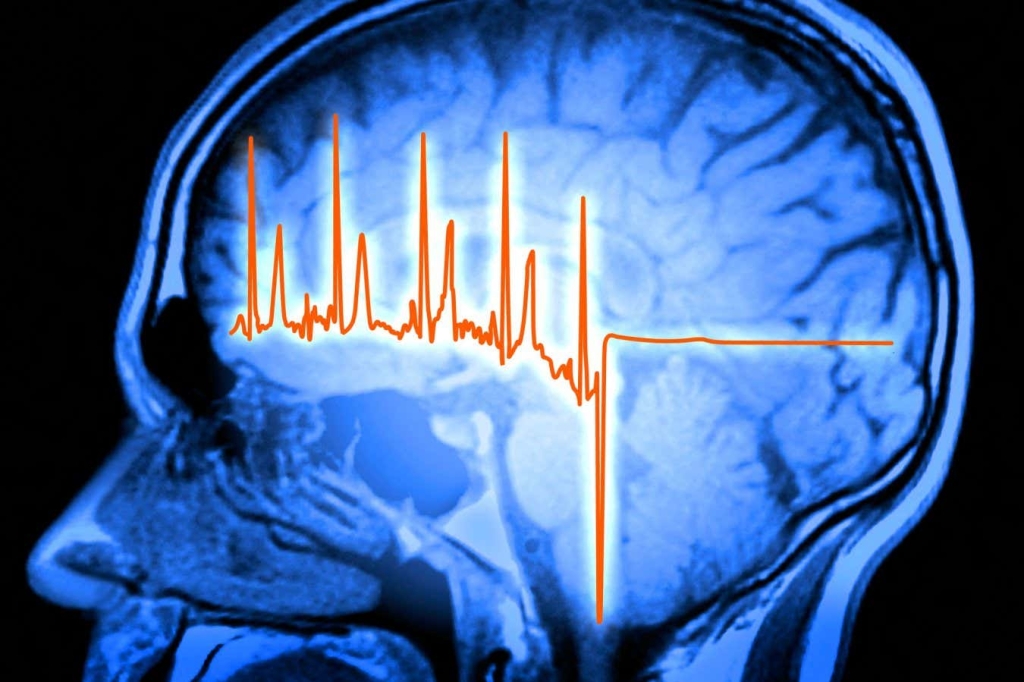
Groundbreaking Discovery: The Heart-Brain Connection in Heart Attack Recovery
In a stunning revelation that could revolutionize heart attack treatment, scientists have uncovered a previously unknown communication pathway between the heart and the brain that plays a crucial role in recovery. This discovery not only deepens our understanding of how the body responds to cardiac emergencies but also opens the door to potentially life-saving therapies that could transform patient care worldwide.
Researchers at the University of California, San Diego, led by neuroscientist Vineet Augustine, have identified a cluster of sensory neurons that act as messengers between the heart and brain following a heart attack. These neurons, which originate from the vagus nerve and wrap around the heart’s ventricles, were found to dramatically increase in number after cardiac injury, suggesting that the heart itself triggers their growth as part of its healing response.
“The body and the brain do not exist in isolation. There is immense crosstalk between different organ systems, the nervous system, and the immune system,” explains Augustine. This intricate communication network appears to be a critical component of the body’s natural healing process, but it may also contribute to complications if left unchecked.
Using cutting-edge tissue clearing techniques that render the heart transparent, the research team was able to track the activity of these neurons in real-time. They discovered that when these neurons were genetically silenced, preventing them from sending signals to the brain, the heart’s recovery was remarkably enhanced. “The injured area becomes really, really small,” Augustine reports. “The recovery was remarkable.”
This finding suggests that in some cases, blocking this neural pathway could actually improve outcomes for heart attack patients, potentially offering an alternative to immediate surgical intervention when it’s not available. Imagine a future where a simple drug could be administered to patients experiencing a heart attack, giving them precious time before more invasive procedures become necessary.
But the story doesn’t end there. The researchers also found that the signals from these heart neurons travel to a region of the brain associated with stress responses, triggering a fight-or-flight reaction. This, in turn, activates the immune system, directing immune cells to the heart to form scar tissue and repair the damaged muscle. While this scarring is essential for healing, excessive scarring can alter the heart’s function and lead to heart failure down the line.
By blocking this immune response early, the team demonstrated yet another pathway to improved healing after a heart attack. This dual approach – targeting both the neural signals and the immune response – could provide a powerful new strategy for treating cardiac emergencies.
The implications of this research are profound. Doctors already prescribe beta-blockers to help patients heal from the tissue damage caused during a heart attack, and these findings help explain how these drugs may work by targeting part of the nervous and immune system feedback loop activated by a heart attack.
“This gives us really exciting opportunities to develop new therapies for patients that have heart attacks,” says Matthew Kay of George Washington University, who wasn’t involved in the study. These therapies could potentially include gene therapies that target the newly discovered neurons directly.
However, the research team cautions that this pathway likely doesn’t exist in isolation. It’s part of a complex picture of responses that we don’t completely understand yet, involving other immune cells and signals. Factors like genetic and sex differences, or conditions like diabetes and hypertension, could also potentially affect how the newly identified response plays out.
Before designing new drugs targeting this pathway, there needs to be a way to determine if and when it’s active in the wider population, notes Robin Choudhury of the University of Oxford. This will be crucial for developing personalized treatments that can be tailored to individual patients’ needs.
As we stand on the brink of a new era in cardiac care, this groundbreaking research reminds us of the incredible complexity of the human body and the power of scientific inquiry to unlock its secrets. With further study and clinical trials, the heart-brain connection discovered by Augustine and his team could soon be saving lives and improving outcomes for millions of heart attack patients around the world.
Tags: heart attack, brain-heart connection, neural pathways, cardiac recovery, vagus nerve, tissue clearing, immune response, beta blockers, gene therapy, personalized medicine, fight-or-flight response, scar tissue, heart failure, cardiac emergencies, cutting-edge research
Viral Phrases: Revolutionary heart attack treatment, Groundbreaking discovery in cardiac care, The hidden link between your heart and brain, Scientists unlock the secret to better heart attack recovery, New hope for heart attack patients, Game-changing research in cardiovascular medicine, The future of heart attack treatment is here, Scientists discover how to supercharge heart healing, Breakthrough could save millions of lives, The heart-brain connection that could change everything, Doctors amazed by new cardiac recovery findings, How your brain could be sabotaging your heart’s healing, The key to preventing heart failure after a heart attack, Scientists rewrite the book on cardiac emergencies, The discovery that could make heart attacks less deadly
,

Leave a Reply
Want to join the discussion?Feel free to contribute!