
Our chances of seeing a new Nvidia-powered handheld PC with RTX 5070-level power are improving – but I’d expect the price to be a dealbreaker
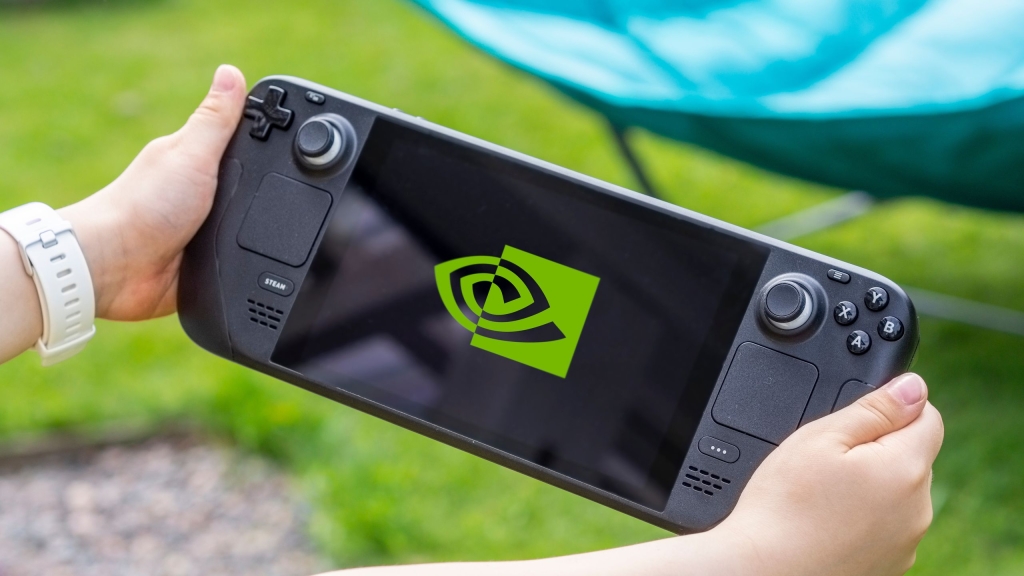
Nvidia’s Next-Gen N1X and N1 SoCs: The Future of AI PCs and Handheld Gaming?
In a groundbreaking move that could reshape the landscape of portable computing, Nvidia CEO Jensen Huang has officially teased the highly anticipated N1X and N1 system-on-a-chip (SoC) processors. Developed in collaboration with Mediatek, these cutting-edge chips are poised to deliver unprecedented performance for AI-powered computers and, potentially, handheld gaming devices.
The N1X and N1 SoCs represent Nvidia’s bold foray into the realm of integrated processors, a space traditionally dominated by AMD and Intel. While Nvidia has long been a powerhouse in desktop and gaming laptop GPUs, this marks its first significant step toward creating a chip tailored for handheld PCs. The closest Nvidia has come to this before was with the Nvidia Shield and the Nintendo Switch 2, but the N1X and N1 could take things to a whole new level.
AI PCs and Beyond
According to reports from VideoCardz, Huang revealed that the N1X and N1 are designed as low-power, high-performance solutions for AI-enabled computers. These chips are expected to rival the performance of Nvidia’s RTX 5070 GPU, making them a formidable contender in the AI PC market. With AI becoming increasingly integral to modern computing, the N1X and N1 could position Nvidia as a leader in this rapidly evolving space.
A Potential Game-Changer for Handhelds?
While the primary focus of the N1X and N1 is AI PCs, speculation is already swirling about their potential use in handheld gaming devices. Nvidia has yet to confirm this, but the timing couldn’t be better. The handheld gaming market has exploded in recent years, thanks to the success of devices like the Steam Deck, Asus ROG Xbox Ally X, and Lenovo Legion Go 2. If Nvidia decides to enter this arena, it could disrupt the competition with its unparalleled GPU technology and DLSS (Deep Learning Super Sampling) capabilities.
Performance That Rivals RTX 5070
Rumors suggest that the N1X and N1 could deliver RTX 5070-level performance, a feat that would put them on par with some of the most powerful gaming laptops on the market. This level of performance in a handheld device would be nothing short of revolutionary. Imagine playing AAA titles at high settings with smooth frame rates, all on a device you can hold in your hands. The N1X and N1 could make this a reality.
DLSS 4.5: A Game-Changer for Handhelds
One of the most exciting aspects of the N1X and N1 is their potential integration of DLSS 4.5, Nvidia’s latest AI-powered upscaling technology. DLSS 4.5 offers significant improvements in image clarity and performance, making it a game-changer for handheld gaming. While AMD and Intel rely on FSR and XeSS, respectively, DLSS 4.5 could give Nvidia a decisive edge in the handheld market.
The Challenges Ahead
Despite the excitement, there are challenges to overcome. Handheld devices require a delicate balance of performance, power efficiency, and thermal management. The N1X and N1 would need to be optimized for these constraints, which could require close collaboration with manufacturers like Asus or Lenovo. Additionally, the cost of such a high-performance chip could make an Nvidia-powered handheld a premium device, potentially limiting its accessibility.
A Premium Price Tag?
If Nvidia does decide to use the N1X or N1 in a handheld, it’s likely to come with a hefty price tag. Devices like the Asus ROG Xbox Ally X and Lenovo Legion Go 2 already command premium prices, and an Nvidia-powered handheld with RTX 5070-level performance would likely be even more expensive. However, for gamers willing to invest in cutting-edge technology, the N1X and N1 could be worth every penny.
The Future of Handheld Gaming
The handheld gaming market is ripe for innovation, and Nvidia’s N1X and N1 SoCs could be the catalyst for a new era of portable gaming. With their AI capabilities, DLSS 4.5 support, and potential RTX 5070-level performance, these chips have the potential to redefine what’s possible in a handheld device. Whether Nvidia chooses to enter the handheld market or focus solely on AI PCs, one thing is clear: the N1X and N1 are poised to make a significant impact.
Conclusion
Nvidia’s N1X and N1 SoCs represent a bold step forward in the world of computing. While their primary focus is AI PCs, their potential use in handheld gaming devices has the tech world buzzing with excitement. With performance that rivals the RTX 5070 and the promise of DLSS 4.5, the N1X and N1 could be the future of portable gaming. As we await further details from Nvidia, one thing is certain: the N1X and N1 are chips to watch in the coming years.
Tags: Nvidia, N1X, N1, Mediatek, AI PCs, handheld gaming, RTX 5070, DLSS 4.5, portable gaming, Steam Deck, Asus ROG Xbox Ally X, Lenovo Legion Go 2, AMD, Intel, FSR, XeSS, gaming laptops, system-on-a-chip, Jensen Huang, cutting-edge technology, premium devices, thermal management, power efficiency, AAA gaming, innovation, market disruption, future of gaming.
Viral Phrases:
- “Game-changer for handhelds”
- “RTX 5070 performance in your hands”
- “DLSS 4.5: The secret weapon”
- “Nvidia’s bold move into handhelds”
- “Revolutionizing portable gaming”
- “AI PCs meet handheld gaming”
- “The future is in your hands”
- “Nvidia’s N1X and N1: Power redefined”
- “Handheld gaming just got serious”
- “Nvidia’s next big thing”
- “Performance meets portability”
- “The chip that could change everything”
- “Nvidia’s handheld revolution”
- “AI-powered gaming on the go”
- “The handheld gaming market is about to explode”
- “Nvidia’s secret weapon for handhelds”
- “The ultimate portable gaming experience”
- “Nvidia’s N1X and N1: A new era of gaming”
- “Handheld gaming just got a major upgrade”
- “Nvidia’s bold bet on handhelds”
,


Leave a Reply
Want to join the discussion?Feel free to contribute!