
Over 65? How to fix the 3 metrics lowering your sleep score
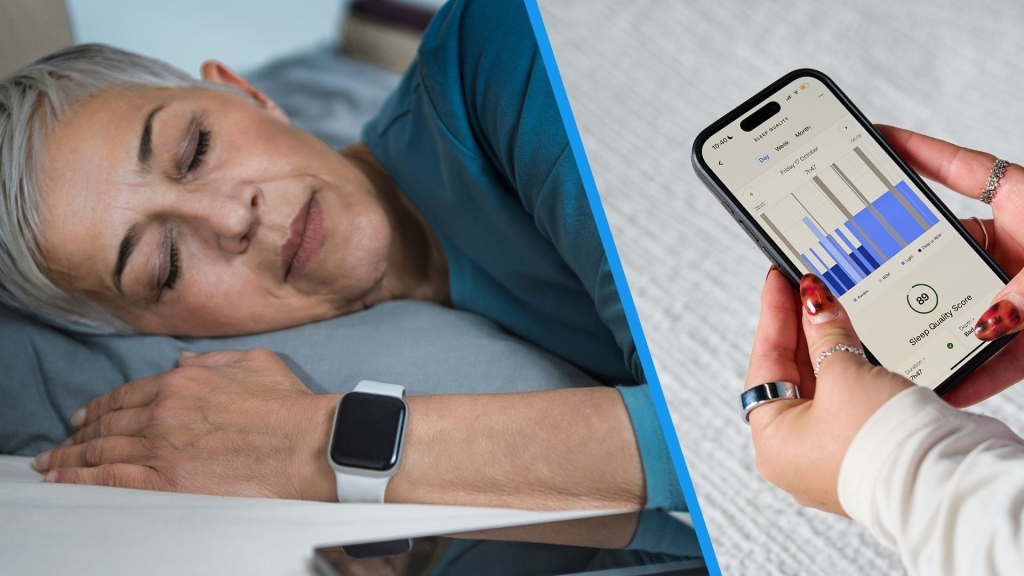
Why Older Adults Often See Low Sleep Scores—and What You Can Do About It
If you’re over 65, you might notice that your sleep tracker is giving you lower scores than you expect—even after what feels like a full night’s rest. This can be confusing and even concerning, but the truth is that aging naturally changes how we sleep. Understanding these changes and knowing what really matters can help you feel more confident about your rest.
The 3 Metrics That May Be Dragging Down Your Sleep Score
1. Sleep Duration
As we age, our total sleep time naturally decreases. After 65, most people sleep about 30 to 60 minutes less per night than they did in their younger years. This happens because the brain produces less melatonin, the hormone that helps regulate sleep, and because of shifts in our circadian rhythm. These changes can make you feel sleepy earlier in the evening and wake up earlier in the morning.
Lifestyle factors like reduced physical activity and certain medications can also play a role. However, experts agree that shorter sleep in older adults is a natural phenomenon, not necessarily a sign of a problem.
Most adults still need at least seven hours of sleep, and people over 65 are no exception. If you find yourself napping during the day to make up for shorter nights, that’s okay—as long as your total sleep over 24 hours is adequate. To optimize your rest, focus on maintaining consistent sleep and wake times, and keep daytime naps short (about 20-30 minutes) to avoid interfering with nighttime sleep.
Staying physically and socially active during the day, getting morning sunlight, and avoiding bright lights at night can all help strengthen your circadian rhythm and improve sleep quality.
2. Sleep Stages
Deep sleep, also known as slow-wave sleep, is crucial for feeling rested and for overall health. Unfortunately, as we age, we naturally spend less time in deep sleep. By age 70, deep sleep may be reduced by 50-70% compared to young adulthood. This is due to changes in hormone levels, brain structure, and reduced physical activity during the day.
While you can’t force yourself to get more deep sleep, certain habits can help protect the quality of your rest. Regular physical activity, especially strength training and aerobic exercise, has been shown to increase slow-wave sleep. Avoiding alcohol and caffeine, especially in the evening, can also help. Additionally, managing overall health—such as keeping blood pressure and blood sugar in check—can indirectly support better sleep structure.
3. Fragmented Sleep
It’s normal to wake up briefly during the night, but if you find yourself waking frequently and struggling to fall back asleep, this can lower your sleep score. Older adults tend to experience more fragmented sleep due to lighter sleep stages and a higher likelihood of being easily disturbed.
Health issues common in older adults, such as arthritis pain, nocturia (waking up to use the bathroom), and sleep apnea, can make sleep fragmentation worse. To address this, try stopping fluids a few hours before bed, limiting alcohol, and practicing good sleep hygiene—keeping your bedroom cool, dark, and quiet. Cognitive behavioral therapy for insomnia (CBT-I) has also been proven effective for older adults dealing with persistent sleep problems.
The 3 Things to Remember When Tracking Your Sleep Score
1. Don’t Obsess
Sleep tracking can be a helpful tool, but it’s easy to become overly focused on achieving perfect scores. This can lead to anxiety and even a condition called orthosomnia, where stress about sleep actually makes it harder to rest. Remember, changes in sleep duration and structure are normal with aging and don’t always indicate a problem.
2. Focus on How You Feel During the Day
Instead of fixating on nightly numbers, pay attention to how you feel during the day. Are you alert, energetic, and able to enjoy your usual activities? If so, your sleep is likely sufficient. However, if you feel persistently exhausted, wake up gasping for air, or experience significant insomnia, it’s worth seeking medical guidance.
3. Use Your Sleep Tracker When Seeking Medical Guidance
If you do consult a healthcare professional about sleep issues, your sleep tracker data can be a valuable resource. It can help illustrate patterns and concerns, making it easier for your doctor to understand your situation. However, the most important thing is to prioritize your comfort and overall wellbeing, not just chase “textbook” sleep metrics.
Tags & Viral Phrases:
- Sleep tracking for seniors
- Why older adults sleep less
- Natural sleep changes with age
- How to improve sleep after 65
- Sleep score anxiety
- Deep sleep and aging
- Fragmented sleep solutions
- Best sleep habits for seniors
- Orthosomnia explained
- Sleep tracker tips for older adults
- How to feel rested as you age
- Managing nocturia and sleep
- Exercise for better sleep
- Sleep hygiene for seniors
- When to see a doctor about sleep
- Sleep and daytime energy
- Aging and circadian rhythm
- Alcohol and sleep in older adults
- Caffeine and sleep timing
- CBT-I for older adults
,


Leave a Reply
Want to join the discussion?Feel free to contribute!