
Pacific Science Center sells real estate to help fund upgrades and an innovation-focused star attraction
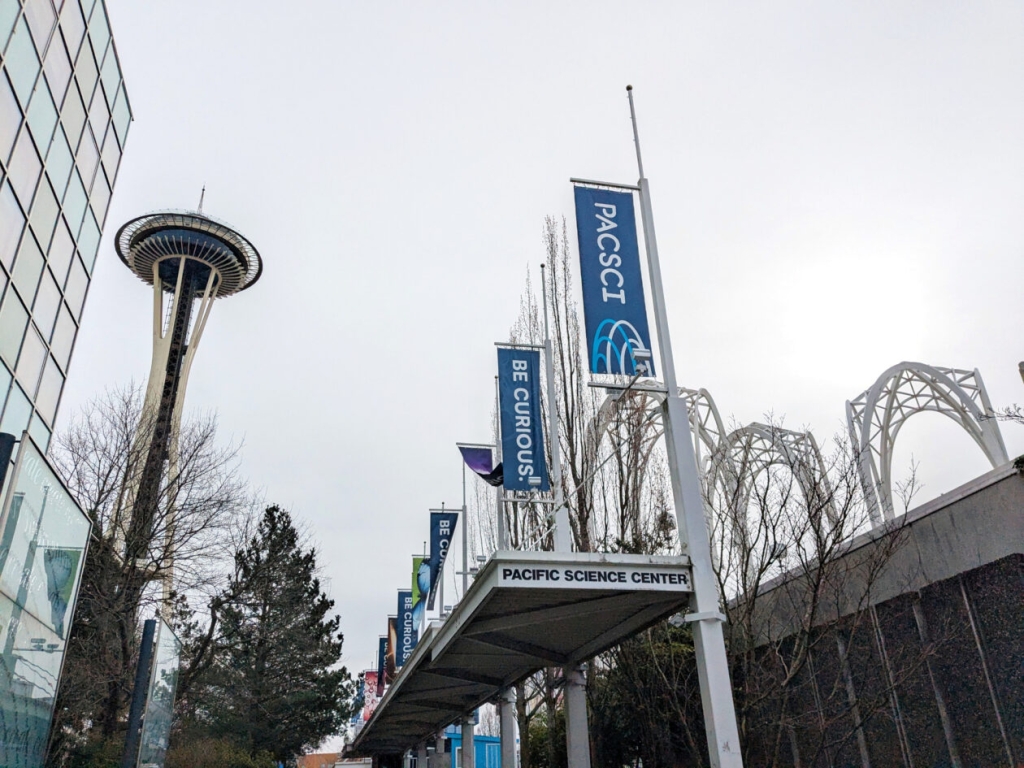
Pacific Science Center Sells Part of Campus to Space Needle in Bid to Secure Future
In a dramatic move to safeguard its future, the Pacific Science Center (PacSci) has confirmed the sale of a significant portion of its Seattle Center campus to Space Needle LLC. The deal, which involves less than 25% of PacSci’s property, includes one of its two IMAX theaters, a pavilion, and an exhibit gallery. While the exact sale price remains undisclosed until the transaction closes, the move is seen as a critical step in addressing the institution’s long-standing financial and infrastructure challenges.
The science center, a beloved Seattle landmark since the 1962 World’s Fair, has been grappling with deferred maintenance costs estimated at over $70 million. The sale is expected to provide much-needed capital for essential upgrades, including the expansion of its popular Maker & Innovation Lab (MIL), which is poised to become the centerpiece of PacSci’s future offerings.
A Strategic Pivot for Survival
The decision to sell part of its campus comes after years of financial strain and the need for urgent infrastructure repairs. PacSci’s CEO, Will Daugherty, described the sale as a “financial runway” that will support targeted capital investments but acknowledged it won’t be enough to address all the center’s needs. “We will still need to raise money for MIL and we will need a capital campaign in the future,” Daugherty said in an email.
The sale marks a pivotal moment for PacSci, which has been exploring ways to remain relevant and financially viable in an increasingly competitive landscape. The expansion of the Maker & Innovation Lab is central to this strategy, aiming to transform the space into a 14,000-square-foot, three-floor exhibit that will inspire creativity and innovation.
The Maker & Innovation Lab: A Vision for the Future
The Maker & Innovation Lab is designed to be more than just a makerspace—it’s a gateway to STEM education and a hub for hands-on learning. Currently occupying less than half of one floor, the lab features 3D printers, laser cutters, sewing machines, and other tools. The expanded version will include woodworking equipment, advanced laser cutters, soldering and electronics stations, digital design tools, and coding and robotics technologies.
PacSci envisions the lab as a space where visitors can develop skills that open doors to STEM careers while fulfilling the innate human desire to create and improve the world. The initiative is estimated to cost $20 million, with funding coming from a mix of public and private sources. The state of Washington has contributed $1.4 million, King County has chipped in $1 million, the Allen Family Foundation has provided $1 million for the lab and courtyard renovations, and individual donors have pledged over $100,000.
Beyond the Sale: A Broader Transformation
The sale to Space Needle LLC is just one part of PacSci’s broader transformation. The center has already begun removing the gates and fences that have long separated it from the rest of the Seattle Center, a move aimed at making the campus more accessible and inviting. These changes are expected to be completed in time for the 2026 FIFA World Cup, during which the Seattle Center will serve as the official gathering place for fans to watch live streams of local games.
Ron Sevart, CEO of the Space Needle, expressed enthusiasm for the partnership, stating, “While continued operation of the Boeing IMAX theater is our short-term focus, we can’t wait to explore other partnership opportunities that support the future of Pacific Science Center and the Seattle Center.”
A New Chapter for Seattle’s Cultural Landscape
The sale of PacSci’s campus to Space Needle LLC represents a significant shift in Seattle’s cultural and educational landscape. For decades, the Pacific Science Center has been a cornerstone of the city’s identity, inspiring generations of visitors with its exhibits and programs. Now, as it navigates the challenges of the 21st century, the center is reimagining its role and finding innovative ways to stay relevant.
The partnership with the Space Needle, another iconic Seattle landmark, signals a new era of collaboration and shared vision for the Seattle Center. Together, these institutions are poised to create a dynamic, forward-thinking destination that honors the past while embracing the future.
As PacSci embarks on this transformative journey, the eyes of the community—and indeed the world—will be watching. The success of this endeavor could serve as a model for other cultural institutions facing similar challenges, proving that with creativity, collaboration, and a commitment to innovation, even the most storied institutions can adapt and thrive in a rapidly changing world.
Tags & Viral Phrases:
- Pacific Science Center sale
- Space Needle acquisition
- Maker & Innovation Lab expansion
- Seattle Center transformation
- STEM education hub
- 1962 World’s Fair legacy
- $70 million infrastructure challenge
- 2026 FIFA World Cup preparations
- Cultural landmark collaboration
- Innovation and discovery
- Hands-on learning
- Seattle’s iconic institutions
- Future of science education
- Community engagement
- Creative problem-solving
- Visionary leadership
- Financial sustainability
- Public-private partnerships
- Seattle’s cultural renaissance
,
Leave a Reply
Want to join the discussion?Feel free to contribute!