
Pancreatic cancer breakthrough: tumors disappear in mice
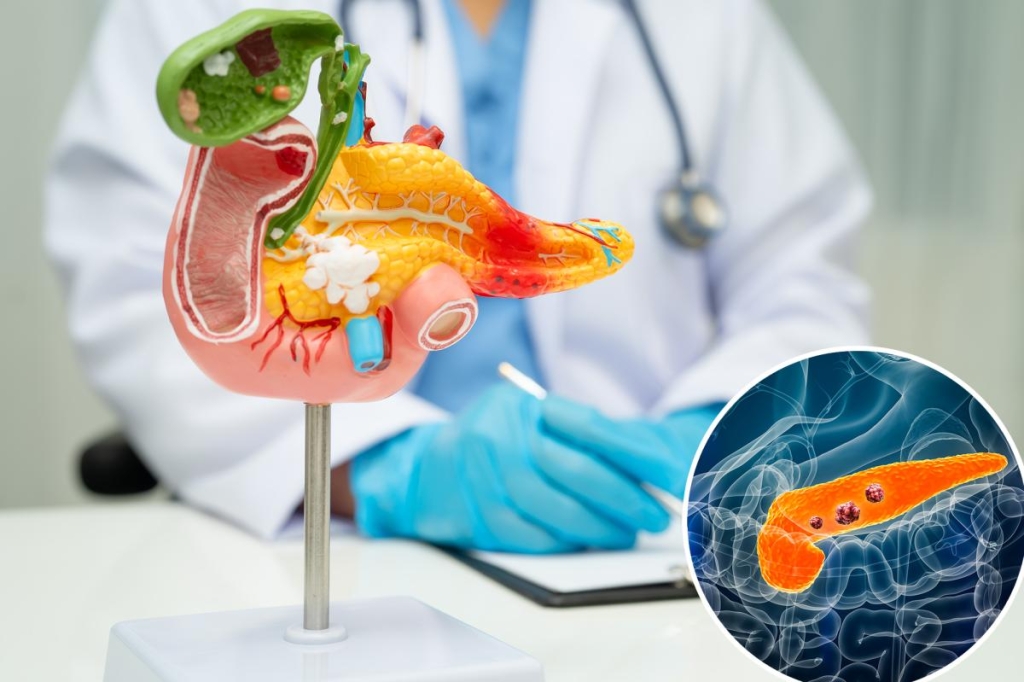
Revolutionary Triple Therapy Could Transform Pancreatic Cancer Treatment, Study Shows
In a groundbreaking development that could change the landscape of cancer treatment, researchers in Spain have unveiled a novel triple therapy protocol that shows unprecedented promise in combating pancreatic cancer—one of the deadliest and most treatment-resistant forms of the disease.
Pancreatic cancer has long been considered a medical enigma, notorious for its aggressive nature and notoriously poor prognosis. The disease often remains undetected until it reaches advanced stages, with over 60% of cases already at Stage 4 by the time of diagnosis. This late detection, combined with the tumor’s remarkable ability to develop resistance to conventional treatments, has made pancreatic cancer particularly challenging for medical professionals to address effectively.
The typical symptoms—including back pain, indigestion, nausea, fatigue, and bloating—are often dismissed as common ailments, leading to delayed diagnosis. According to the American Cancer Society, approximately 67,530 patients in the United States are expected to be diagnosed with pancreatic cancer this year, with roughly 52,740 succumbing to the disease. These staggering statistics underscore the urgent need for more effective treatment options.
Traditional approaches to treating pancreatic cancer have focused on targeting the KRAS mutation, which is present in approximately 90% of pancreatic cancer cases. However, these treatments have shown only modest success, as tumors typically develop resistance within months, rendering the therapy ineffective. This resistance mechanism has been a major roadblock in improving patient outcomes.
The breakthrough comes from the National Cancer Research Centre (CNIO) in Spain, where researchers have developed an innovative triple therapy approach that simultaneously targets KRAS at three different points rather than one. This multi-pronged strategy combines an experimental KRAS inhibitor with a protein degrader and a lung cancer drug, creating a powerful combination that prevents the tumor from developing resistance.
Published recently in the prestigious journal PNAS, the research demonstrates remarkable results in preclinical trials. When applied to mice with pancreatic tumors, this triple therapy led to the complete elimination of tumors with minimal side effects. The study authors emphasize that these promising results “pave the way for the design of combined therapies that may improve survival.”
The significance of this achievement cannot be overstated. For the first time, researchers have demonstrated the ability to completely eliminate pancreatic tumors in animal models without the tumors developing resistance to treatment. This represents a fundamental shift in how we approach this devastating disease.
However, the research team, led by Mariano Barbacid, head of the Experimental Oncology Group at CNIO, cautions that translating these results into clinical applications will be a complex and lengthy process. “Although experimental results like those described here have never been obtained before, we are still not in a position to carry out clinical trials with the triple therapy,” Barbacid stated in a press release from CNIO.
The challenges in moving from successful animal trials to human clinical applications are substantial. The therapy must be optimized for human physiology, safety must be thoroughly established, and regulatory approvals must be obtained. This process typically takes several years, meaning that while the results are incredibly promising, patients will need to wait for this treatment to become available.
Despite these hurdles, Barbacid and his team remain optimistic about the potential impact of their work. “These results could open the door to new therapeutic options to improve the clinical outcome of patients in the not-too-distant future,” he said. This optimism is shared by the broader medical community, which has long sought more effective treatments for pancreatic cancer.
This breakthrough comes at a time when several other promising developments in pancreatic cancer research are emerging. Last year, scientists at UCLA developed an “off-the-shelf” cell-based immunotherapy that successfully tracked down and killed pancreatic cancer cells even after they had spread to other organs. In mouse studies, this treatment slowed cancer growth, extended survival, and remained effective even within the harsh environment of solid tumors.
Additionally, British researchers recently began testing a breathalyzer device that could potentially detect the presence of cancer through breath analysis. Experts suggest this could represent the biggest breakthrough in the fight against pancreatic cancer in half a century, potentially enabling earlier detection and treatment.
The convergence of these various research efforts suggests that we may be on the cusp of a new era in pancreatic cancer treatment. While each approach addresses different aspects of the disease—from early detection to treatment resistance—together they represent a comprehensive assault on one of medicine’s most challenging adversaries.
The economic and social impact of successful pancreatic cancer treatments cannot be ignored. The disease places enormous strain on healthcare systems and causes immeasurable suffering for patients and their families. A treatment that could significantly improve survival rates would not only save lives but also reduce the emotional and financial burden associated with this devastating diagnosis.
As research continues and these various approaches are refined and tested, the medical community remains cautiously optimistic. The Spanish team’s triple therapy represents perhaps the most direct attack on the disease’s resistance mechanisms to date, and if successful in human trials, could become a cornerstone of pancreatic cancer treatment.
The journey from laboratory breakthrough to clinical application is often long and fraught with challenges, but the potential rewards—extended survival, improved quality of life, and ultimately, cures for patients—make this journey worthwhile. As we await further developments in this exciting area of research, the promise of this triple therapy offers hope to the thousands of patients and families affected by pancreatic cancer each year.
triplethreattherapy #pancreaticcancerbreakthrough #cancerresearch #medicalinnovation #CNIOSpain #KRASinhibitor #experimentaltreatment #cancerresistance #survivalrates #medicalmilestone #hopeforpatients #cuttingedgemedicine #cancercure #oncologymedicine #Spanishresearch #tumorresistance #triplecombinationtherapy #pancreaticcancerhope #medicalbreakthrough #cancerfighting #resistancemechanism #experimentaloncology #CNIO #cancerprognosis #tumorbiology #medicaladvancement #cancerresearchnews #pancreaticcancerawareness #medicalscience #treatmentrevolution
,


Leave a Reply
Want to join the discussion?Feel free to contribute!