
Peter Oppenheimer, Apple CFO, retires
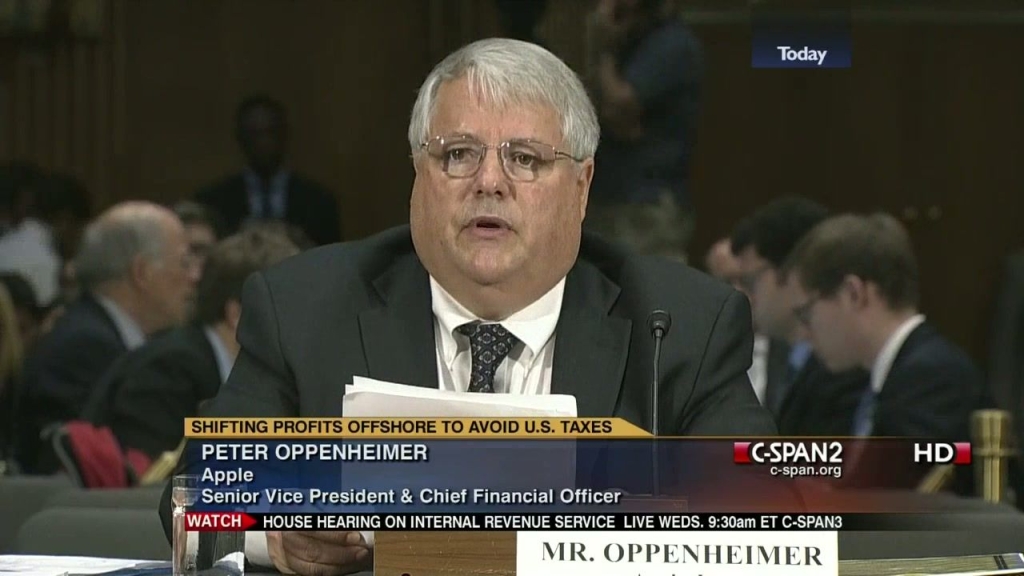
Apple’s Financial Titan Peter Oppenheimer Steps Down After Decade of Explosive Growth
The End of an Era: A CFO Who Saw Apple’s Value Multiply by 50x
On March 4, 2014, Silicon Valley witnessed the retirement of one of its most influential financial architects. Peter Oppenheimer, Apple’s Chief Financial Officer for a decade, stepped away from the company he had helped transform from a struggling tech firm into the world’s most valuable corporation.
The numbers tell a story of unprecedented financial stewardship. When Oppenheimer assumed the CFO role in 2004, Apple’s market capitalization stood at a modest $8.8 billion. By the time he announced his retirement, that figure had ballooned to an astonishing $471 billion—a 50-fold increase that few executives in corporate history can claim to have overseen.
The Man Behind the Numbers
Oppenheimer’s journey to Apple’s executive suite began in the most unassuming of places. Before joining the Cupertino powerhouse, he served as a finance executive at Automatic Data Processing (ADP), one of the world’s largest payroll processing companies. His experience at ADP wasn’t just a career stop—it was where he first crossed paths with a young Steve Jobs, who was serving on ADP’s board of directors.
This connection would prove pivotal. Jobs, known for his keen eye for talent and his belief in the importance of surrounding himself with the best people, remembered Oppenheimer when Apple needed financial leadership. The timing couldn’t have been more critical. Apple was emerging from a near-death experience, having been rescued by Jobs’ return in 1997 and the company’s subsequent reinvention around the iMac and, eventually, the revolutionary iPod.
A Carefully Orchestrated Succession
Oppenheimer didn’t simply appear out of nowhere to take the CFO reins. His ascension was part of a carefully planned succession strategy that began when he joined Apple in 1996—just months after Fred Anderson, the man he would eventually replace, came aboard.
Anderson himself had been handpicked by Jobs shortly after his dramatic return to Apple. The Silicon Valley legend recognized that financial discipline and strategic capital allocation would be crucial for Apple’s turnaround. Anderson brought stability and credibility to Apple’s finances during the critical early years of Jobs’ second act at the company.
Oppenheimer joined as Apple’s senior director of finance and controller, essentially serving as Anderson’s protégé. For eight years, he learned the intricacies of Apple’s business model, its unique approach to product development and marketing, and the financial strategies that would eventually fuel the company’s meteoric rise.
The Luca Maestri Transition
When Oppenheimer announced his retirement, Apple named Luca Maestri as his successor. Maestri, an experienced financial executive who had previously served as CFO at Xerox and held various finance roles at Nokia Siemens Networks and General Motors, was well-prepared for the challenge.
The transition was seamless, a testament to both Oppenheimer’s mentorship and Apple’s institutional strength. Maestri inherited not just a company at the peak of its powers, but also a sophisticated financial framework that had been meticulously constructed over the previous decade.
The $100 Billion Share Repurchase Revolution
Perhaps Oppenheimer’s most significant contribution to Apple’s financial strategy was the implementation of the company’s first major share repurchase and dividend program. This $100 billion initiative, announced in 2012, marked a dramatic shift in Apple’s capital allocation philosophy.
For years, Apple had maintained a fortress balance sheet, accumulating massive cash reserves—often exceeding $100 billion—as a hedge against uncertainty and as ammunition for potential strategic opportunities. The decision to return capital to shareholders through dividends and share repurchases was controversial among some Apple purists who believed the company should maintain maximum financial flexibility.
Oppenheimer, however, understood that Apple’s business model had matured to the point where such returns were not just possible but prudent. The program was structured to be flexible, allowing Apple to adjust its repurchase activity based on market conditions and the company’s needs.
Beyond the Numbers: Oppenheimer’s Legacy
While his financial achievements are impressive, Oppenheimer’s impact extended far beyond balance sheets and income statements. He was instrumental in helping Apple navigate complex regulatory environments, particularly as the company expanded globally. His experience at ADP, a company with extensive international operations, proved invaluable as Apple grew from a primarily U.S.-based business to a truly global enterprise.
Oppenheimer also played a crucial role during some of Apple’s most challenging moments. He was at the helm during the options backdating scandal that roiled Silicon Valley in the mid-2000s. While Apple ultimately avoided major penalties, Oppenheimer’s steady leadership helped the company weather the storm and maintain investor confidence.
Life After Apple
Upon his retirement, Oppenheimer didn’t simply disappear into the sunset. He joined the board of directors at Goldman Sachs as an independent director, bringing his tech industry expertise to one of Wall Street’s most prestigious institutions.
He also pursued personal interests that had been deferred during his intense years at Apple. These included earning his pilot’s license—a challenging endeavor that requires significant time commitment and dedication—and increasing his involvement with California Polytechnic State University, his alma mater.
The Financial Architecture That Endured
What makes Oppenheimer’s tenure particularly remarkable is how the financial structures and strategies he put in place have endured. Even as Apple has grown to become the world’s first trillion-dollar company and then a two-trillion-dollar company, the fundamental financial discipline and strategic thinking that Oppenheimer instilled remain evident.
The share repurchase program he initiated has evolved into one of the most aggressive capital return strategies in corporate history, with Apple returning hundreds of billions of dollars to shareholders over the years. The company’s approach to managing its vast cash reserves, its sophisticated tax strategies, and its ability to fund massive initiatives like Apple Silicon development and the Apple Card all reflect the financial foundation Oppenheimer helped build.
A Silicon Valley Success Story
Peter Oppenheimer’s story is, in many ways, the quintessential Silicon Valley success narrative. A talented professional from modest beginnings rises through the ranks, catches the eye of a visionary leader, and helps build one of the most valuable companies in history.
His retirement marked the end of a significant chapter in Apple’s history, but his influence continues to shape the company’s financial strategy. In the fast-moving world of technology, where executives often chase the next big thing, Oppenheimer’s decade-long commitment to Apple and his methodical, disciplined approach to financial management stand as a testament to the power of steady leadership.
As Apple continues to evolve under Tim Cook’s leadership, the financial framework that Peter Oppenheimer helped construct provides the stability and flexibility the company needs to pursue its ambitious vision for the future. From iPhones to Apple Watches, from services to potential new product categories, the financial foundation Oppenheimer built enables Apple to innovate with confidence.
Tags & Viral Elements
- Apple CFO retires
- Peter Oppenheimer financial legacy
- Apple market cap explosion
- Steve Jobs financial team
- $100 billion share repurchase
- Luca Maestri succession
- Apple financial strategy
- Silicon Valley CFO success
- Apple dividend program
- Corporate finance transformation
- Apple market valuation history
- Financial leadership Silicon Valley
- Oppenheimer retirement impact
- Apple capital allocation
- Tech company CFO stories
- Financial discipline tech
- Apple global expansion finance
- Shareholder returns strategy
- Corporate financial architecture
- Apple financial stability
- CFO career path tech
- Apple financial evolution
- Market cap growth story
- Financial planning technology
- Corporate finance innovation
- Apple financial management
- Silicon Valley financial legends
- Corporate finance transformation
- Tech industry financial leadership
- Apple financial foundation
,


Leave a Reply
Want to join the discussion?Feel free to contribute!