
Phones don’t need yearly sequels, and a ‘pause’ makes sense
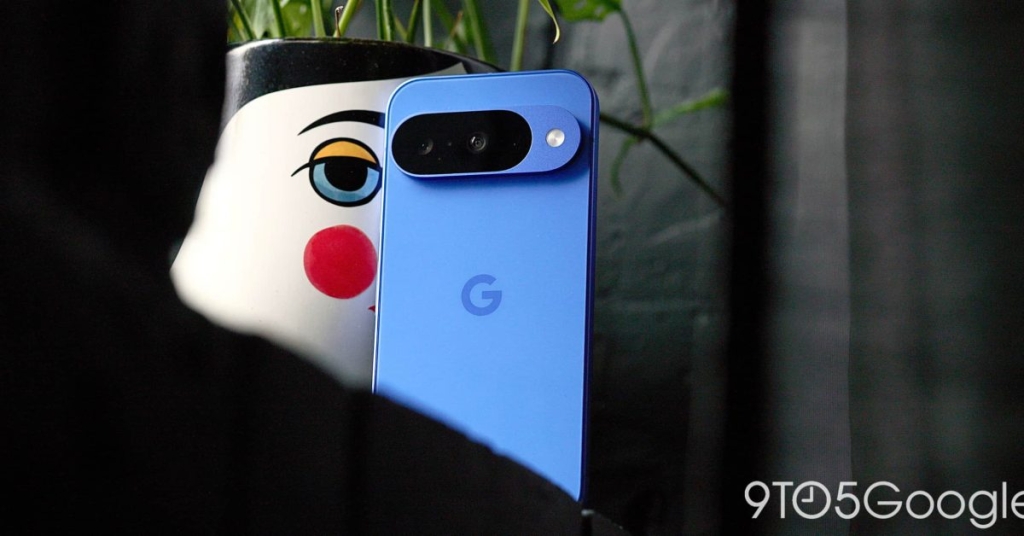
Smartphones Have Hit a Wall—2026 Should Be the Year They Take a Break
In an era where innovation once reigned supreme, the smartphone industry has quietly slipped into a state of predictable monotony. Year after year, consumers are greeted with devices that, while slightly faster or slightly shinier, offer little in the way of genuine breakthroughs. The relentless cycle of annual upgrades—often little more than a new processor and a splash of fresh color—has left many wondering: do we really need a new phone every year?
The “Tick-Tock” Treadmill: Why Smartphone Upgrades Feel Pointless
Take a closer look at the evolution of major smartphone lines, and a clear pattern emerges. Brands like Google Pixel have settled into a “tick-tock” rhythm, where significant leaps occur only every other year. Samsung’s Galaxy S series, once a beacon of cutting-edge innovation, has clung to the same basic design language for half a decade. Even Apple, the trendsetter of the industry, has leaned heavily on iterative updates, with its recent design refresh borrowing liberally from Google’s playbook.
The culprit? Smartphones have matured. After more than 15 years of rapid experimentation, manufacturers have honed in on what works—and what sells. Displays are crisp, batteries last long enough, and cameras are more than capable for the average user. The big problems have been solved. What’s left is fine-tuning, and the returns on that investment are diminishing fast.
“We’ve hit the law of diminishing returns. More money and time can be thrown into these products and components, but at a certain point, you just don’t get as much out of that.”
The Case for a Year Off: Why 2026 Should Be Different
As the smartphone market faces a downturn, component shortages (especially in RAM), and growing environmental concerns, the logic for a pause becomes undeniable. Skipping a year would not only make new releases more exciting but also significantly reduce electronic waste. Yet, the industry’s “machine” is built for annual refreshes, and changing that for the sake of logic and excitement just doesn’t make as much money as slapping on a fresh coat of paint and putting a “new” sign on it.
Nothing, the upstart phonemaker, has already signaled its intent to skip a flagship release in 2026. While this move is commendable, it’s worth noting that Nothing has struggled to establish itself as a true flagship contender. For other brands, a pause could be the breath of fresh air the industry desperately needs.
The Future of Smartphones: AI, Desktops, and Beyond
While hardware may have plateaued, the software side of smartphones is poised for a revolution. Google’s recent leak of “Aluminium OS,” a desktop interface for Android, hints at a future where our phones become the centerpiece of a multi-device ecosystem. With Android 17 on the horizon, new features like enhanced blur designs, improved screen recording, and app locking promise to keep the software side of things fresh.
But the real question remains: will the industry listen to the logic of a pause, or will it continue to churn out incremental updates in the name of profit? As consumers, we hold the power to demand more—more innovation, more sustainability, and more excitement.
Tags & Viral Phrases:
- smartphones are boring
- tick-tock release cycle
- diminishing returns in tech
- smartphone market decline
- e-waste crisis
- Nothing Phone skip 2026
- Aluminium OS leak
- Android 17 features
- desktop Android interface
- smartphone innovation stagnation
- yearly phone upgrades unnecessary
- tech industry pause needed
- component shortages 2026
- Samsung Galaxy S stagnation
- Google Pixel evolution
- Apple design refresh
- smartphone maturity
- AI in smartphones
- multi-device ecosystem
- consumer demand for change
,


Leave a Reply
Want to join the discussion?Feel free to contribute!