
Pismo PowerBook excels at multimedia: Today in Apple history
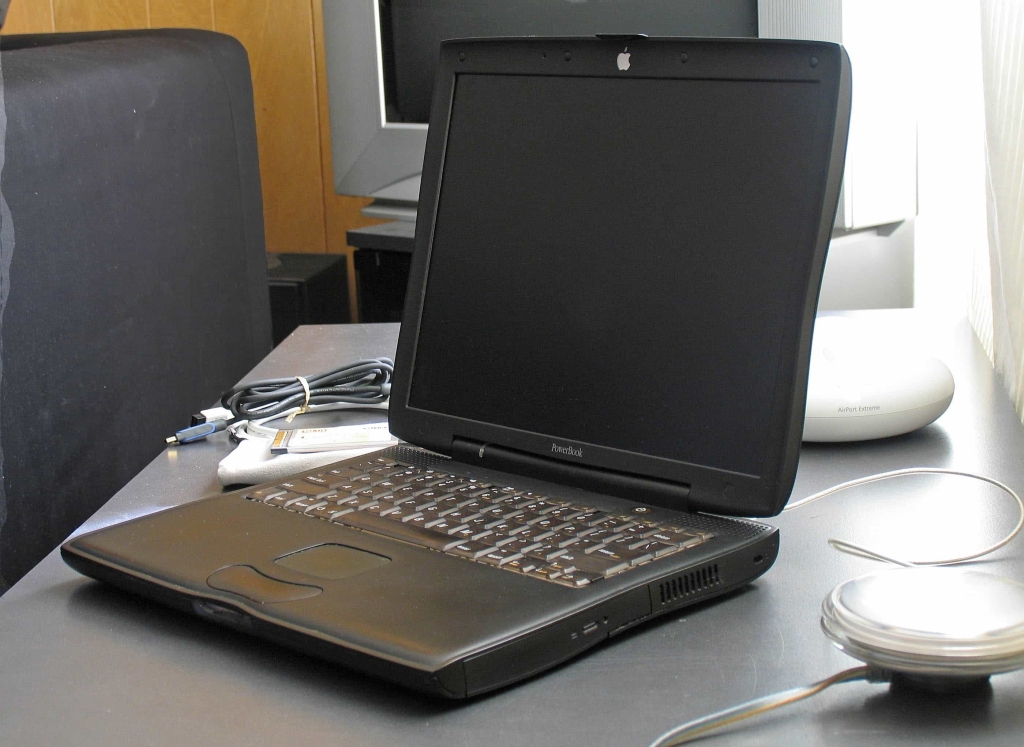
The Pismo PowerBook: Apple’s 2000 Masterpiece That Still Defines Laptop Excellence
On February 16, 2000, Apple unveiled what many consider the pinnacle of portable computing: the Pismo PowerBook. This G3 laptop wasn’t just another incremental upgrade—it was a statement of intent, a machine that balanced power, expandability, and design in ways that would influence laptop development for years to come.
A Revolutionary Design Philosophy
The Pismo PowerBook arrived at a pivotal moment in Apple’s history. Steve Jobs had returned to the company just three years earlier, and while the PowerBook G3 Wallstreet had established Apple’s credibility in the professional laptop market, the Pismo represented something different—a machine that didn’t just follow industry trends but set them.
What made the Pismo special wasn’t just its specifications, though those were impressive for the time. It was how Apple approached the fundamental questions of what a laptop should be. In an era when most manufacturers were racing to make computers thinner and lighter at the expense of functionality, Apple doubled down on expandability and user experience.
The Ports Revolution
The Pismo marked Apple’s bold transition away from legacy connections. Gone were the SCSI ports and Apple Desktop Bus connectors that had defined Macintosh peripherals for years. In their place came USB ports and FireWire—Apple’s proprietary high-speed connection technology that would become a standard across the industry.
FireWire was revolutionary. Developed by Apple engineers in 1986 but finally ready for prime time, it offered data transfer rates of up to 400Mbps. To put that in perspective, that’s roughly 30 times faster than the USB connections that were standard at the time. For creative professionals working with video, audio, and large media files, this wasn’t just an incremental improvement—it was transformative.
The Pismo didn’t stop at cutting-edge connectivity. It included a PC Card slot for expansion, S-video output for presentations, and enough ports to make even the most demanding user happy. This was a laptop designed for people who actually used their computers, not just carried them around.
Battery Life That Defied Physics
Perhaps the most impressive feature of the Pismo was its battery system. While most laptops of the era struggled to deliver four hours of real-world usage, the Pismo’s dual-battery configuration pushed that to an astonishing 12-16 hours. This wasn’t theoretical lab testing—this was actual usage time that professionals could rely on during long flights or extended work sessions away from power outlets.
The battery system was elegantly designed, too. Users could swap batteries without shutting down the machine, and the laptop would automatically switch between power sources seamlessly. This level of practical engineering showed that Apple understood how people actually used their laptops in the real world.
A Keyboard That Set the Standard
The Pismo’s keyboard deserves special mention. In an era when laptop keyboards were often mushy afterthoughts, the Pismo featured a typing experience that many users still remember fondly today. The keys had excellent travel, a satisfying tactile response, and a layout that made sense for touch typists. Combined with the responsive trackpad, it created a computing experience that made you want to use the laptop rather than just tolerate it.
The Multimedia Powerhouse
With configurations ranging from 400MHz to 500MHz, up to 1GB of RAM, and a 1MB CPU cache, the Pismo was no slouch in terms of performance. But what really made it special was how that power translated into real-world applications.
Video editing on the Pismo was a revelation. The combination of FireWire connectivity and raw processing power meant that editors could work with digital video in ways that were simply impossible on other laptops of the era. The ability to burn DVDs—still a rare feature in 2000—meant that creators could produce finished products without leaving their portable workstations.
The Design That Time Forgot
The Pismo’s polycarbonate plastic case might look dated compared to today’s aluminum unibody designs, but it had advantages that modern laptops often lack. The material absorbed impacts better than metal, and the curvaceous design made the laptop feel inviting rather than austere. It was a machine you wanted to hold and use, not just admire from afar.
This approach to design—prioritizing user experience over pure aesthetics—was quintessentially Apple, even if it ran counter to the company’s later design philosophy. The Pismo showed that Apple could create beautiful, functional products without sacrificing practicality.
A Machine That Still Inspires
Looking back at the Pismo PowerBook from our vantage point in 2024, it’s remarkable how many of its design principles still resonate. The focus on expandability, the emphasis on battery life, the attention to keyboard quality—these are all features that laptop users still value, even if modern manufacturers often sacrifice them in pursuit of thinner profiles.
The Pismo represents a moment when Apple was willing to buck industry trends and create products based on what users actually needed rather than what marketing departments thought would sell. It’s a philosophy that Apple would return to with the iPhone and iPad, but in 2000, it was still revolutionary in the laptop space.
Legacy of Excellence
The Pismo PowerBook wasn’t just a great laptop for its time—it was a great laptop period. Its influence can be seen in everything from the MacBook Pro’s emphasis on professional features to the continued importance of good keyboard design. For many Apple enthusiasts, it represents the high water mark of the company’s laptop design philosophy: powerful, expandable, and designed around real user needs rather than artificial constraints.
Twenty-four years later, the Pismo PowerBook still commands respect and admiration from those who used it. It wasn’t just a tool—it was a partner in creativity, a reliable companion that could handle whatever challenges its users threw at it. In an industry that often prioritizes novelty over substance, the Pismo stands as a reminder that sometimes, the best innovation comes from perfecting the fundamentals rather than chasing the latest trends.
Tags & Viral Phrases
PismoPowerBook #AppleHistory #VintageMac #BestLaptopEver #SteveJobsLegacy #FireWireForever #BatteryLifeGoals #MacWorldTokyo #G3Powerhouse #ExpandabilityMatters #PolycarbonatePerfection #KeyboardGoals #MultimediaMasterpiece #TechNostalgia #AppleDesignPhilosophy #PortablePowerhouse #CreativeComputing #VintageTech #LaptopHistory #AppleInnovation #TechThrowback #DesignExcellence #UserExperience #ProfessionalGrade #VintageApple #TechHistory #AppleLegacy #PowerBookPerfection #ClassicMac #TechThrowbackThursday
,

Leave a Reply
Want to join the discussion?Feel free to contribute!