
Planets Are About to Line Up in a Rare Event. Here’s How to Watch. : ScienceAlert
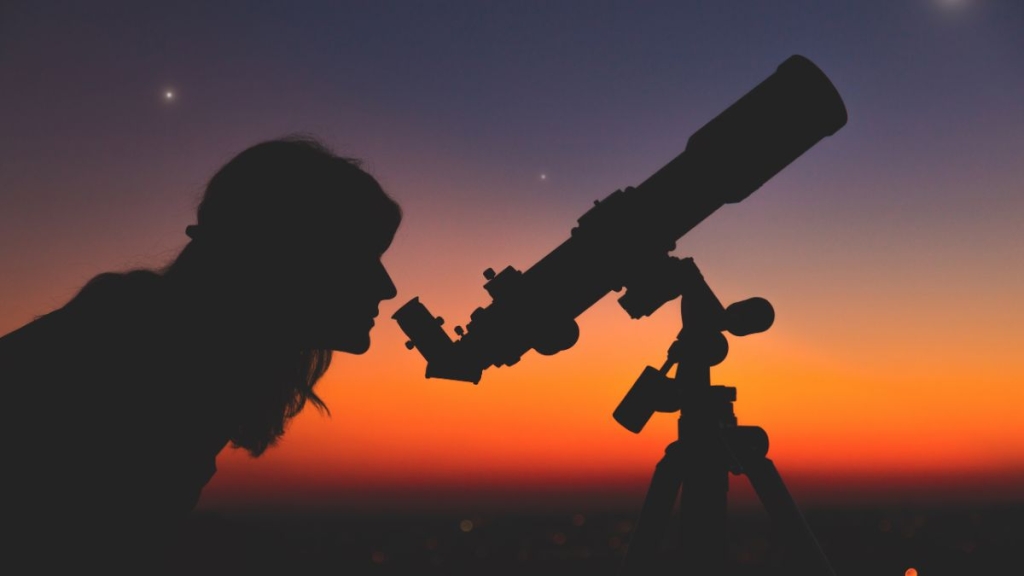
Six Planets Align in Rare Celestial Parade: A Stargazer’s Guide to February’s Sky Spectacle
Get ready for an extraordinary cosmic event that’s capturing the imagination of astronomers and casual skywatchers alike. In a rare astronomical alignment, six planets—Mercury, Venus, Jupiter, Saturn, Uranus, and Neptune—are staging a magnificent planetary parade across our evening skies. This celestial phenomenon offers a once-in-a-while opportunity to witness multiple planets simultaneously, creating a breathtaking display that connects us to both modern astronomy and ancient stargazing traditions.
What Exactly Is a Planetary Parade?
A planetary parade occurs when multiple planets appear to line up in our night sky, creating a stunning visual alignment. Despite how it appears from Earth, these planets aren’t actually in a straight line in space—they simply happen to be visible in the same region of our sky at the same time. This optical illusion occurs because the planets orbit the Sun in roughly the same plane, called the ecliptic, and occasionally bunch up on one side of our star.
NASA explains that while spotting two or three planets after sunset is relatively common, seeing four or five planets simultaneously with the naked eye is considerably rarer, occurring only every few years. The fact that we’re witnessing six planets in alignment makes this event particularly special, especially considering that last year treated us to both six-planet and even seven-planet parades.
When and Where to Catch the Show
The planetary parade reaches its peak visibility on Saturday, February 28th, though the spectacle will be observable throughout the month, with the alignment becoming increasingly impressive toward month’s end. For optimal viewing, head outside approximately one hour after sunset when the sky has darkened sufficiently but the planets haven’t yet set below the horizon.
Find a location away from the light pollution of cities, and seek out areas with unobstructed western views—away from tall buildings, dense trees, or mountains that might block your line of sight. The western sky will be your primary viewing zone for this particular alignment.
Meet the Planetary Cast
Each planet in this cosmic lineup offers its own unique viewing experience:
Mercury will appear closest to the horizon, just above where the Sun set. Being the innermost planet, it never strays far from the Sun in our sky, making it somewhat challenging to spot but well worth the effort.
Venus shines brilliantly as the “Evening Star,” impossible to miss with its exceptional brightness. Often mistaken for aircraft lights or even UFOs, Venus will be one of the easiest planets to identify.
Jupiter dominates the upper portions of the parade, appearing as a bright, steady light high in the sky. Its size and reflective cloud tops make it the second-brightest planet after Venus.
Saturn presents itself with a distinctive yellowish hue, though it won’t display its famous rings to the naked eye—you’d need a telescope for that breathtaking view.
Uranus and Neptune, the distant ice giants, require optical assistance. Binoculars might reveal Uranus under excellent conditions, while Neptune will likely require a telescope to be seen at all. These planets appear as faint, bluish points of light rather than the bright beacons of their closer cousins.
How to Identify Planets vs. Stars
One of the most practical tips for enjoying this celestial event comes from planetary scientist Sara Mazrouei of Humber Polytechnic in Canada: “If it’s twinkling, it’s a star. If it is not twinkling, it’s a planet.”
This simple rule works because planets, being closer to Earth than stars, appear as tiny disks rather than points of light. Their larger apparent size means atmospheric turbulence affects them less dramatically, resulting in steadier light. Stars, being immensely distant, appear as perfect points that twinkle dramatically as Earth’s atmosphere distorts their light.
The Historical Significance
This planetary gathering offers more than just visual splendor—it provides a profound connection to humanity’s astronomical heritage. As Emily Elizondo, planetary scientist at Michigan State University, notes, ancient astronomers made sense of the cosmos “just by looking up at the stars and the planets,” a practice we can still engage in today with the same wonder they experienced thousands of years ago.
Civilizations from the Babylonians to the Maya meticulously tracked planetary movements, using them for everything from agricultural planning to religious ceremonies. The regularity of these celestial patterns helped early humans develop mathematics, navigation, and our fundamental understanding of cosmic mechanics.
What Makes This Event Special
While at least one bright planet is typically visible on most clear nights according to NASA, seeing multiple planets simultaneously creates a unique perspective on our solar system’s architecture. This alignment allows us to visualize the relative positions of these worlds in their orbits around the Sun, offering an intuitive understanding of planetary motion that diagrams and simulations simply cannot match.
The parade also serves as a reminder of the dynamic nature of our solar system. These planets are constantly moving along their orbital paths, and their apparent positions relative to Earth and each other are always changing. Catching them aligned like this won’t happen again in exactly this configuration for years, making this a genuinely time-sensitive astronomical event.
Viewing Tips for Success
For the best experience, allow your eyes to adjust to the darkness for at least 20-30 minutes before attempting detailed observations. Avoid looking at bright lights, including phone screens, during this adaptation period. If you must use a phone app to help identify the planets, use one with a red-light mode to preserve your night vision.
Consider bringing binoculars even if you don’t expect to see Uranus or Neptune—they’ll enhance your view of the brighter planets and might reveal some of Jupiter’s moons as tiny points of light near the gas giant. A reclining chair or blanket can make extended viewing more comfortable, and dressing warmer than you think necessary will allow you to stay out longer and catch the full progression of the planetary parade.
The Grand Finale
As the month progresses, Mercury will gradually sink below the horizon, exiting the parade first. This gradual change means the alignment you see on February 28th will subtly differ from what you might observe a few days earlier or later, offering skywatchers multiple opportunities to witness slightly different configurations of our planetary neighbors.
Whether you’re a seasoned astronomer or someone who rarely looks up at the night sky, this planetary parade offers a perfect opportunity to connect with the cosmos, experience the wonder that has inspired humanity for millennia, and perhaps develop a new appreciation for the dynamic, beautiful solar system we call home.
Tags: #PlanetaryParade #SixPlanets #Astronomy #NightSky #Stargazing #CelestialEvent #Space #NASA #Venus #Jupiter #Saturn #Mercury #Uranus #Neptune #SkyWatching #CosmicAlignment
Viral Sentences: Witness the rare alignment of six planets lighting up the night sky! Don’t miss this once-in-a-lifetime celestial spectacle. Grab your binoculars and head outside for the astronomical event of the year! Six planets are aligning—a show you won’t want to miss. The planets are putting on a parade, and you’re invited! From Mercury to Neptune, the entire solar system is coming to your backyard. This cosmic lineup won’t happen again for years—make tonight count! See Venus, Jupiter, and Saturn without a telescope. Ancient astronomers would be amazed by this view. The night sky is alive with planetary magic this February.
,


Leave a Reply
Want to join the discussion?Feel free to contribute!