
Plastic Without End: Are We Polluting the Planet for Eternity?
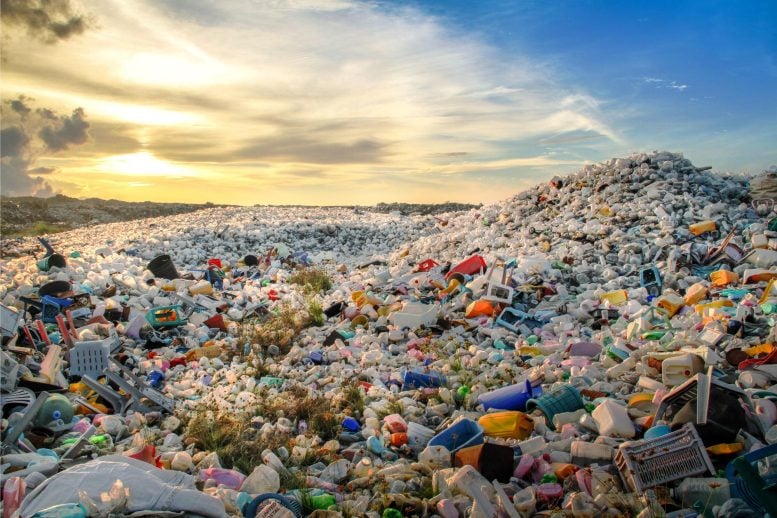
Plastic Without End: Are We Polluting the Planet for Eternity?
By TechWire Daily Staff • April 15, 2025
In a world where convenience has long outweighed consequence, plastic has become the quiet tyrant of modern life. From the packaging that cradles our groceries to the fibers woven into our clothes, plastic is everywhere. And now, it threatens to outlive us all.
The Kunming-Montreal Global Biodiversity Framework, adopted in December 2022, set an ambitious target: eliminate plastic pollution by 2030. It was a landmark moment, a unified global commitment to confront the plastic crisis head-on. But as we near the halfway mark to that deadline, the question looms larger than ever—why have meaningful measures that create real change still not been implemented?
Plastic pollution is more than just trash on the beach. It’s a slow-motion catastrophe unfolding beneath the waves, in the soil, and in the very air we breathe. Marine plastic waste, for instance, doesn’t just sit there looking ugly—it actively leaches toxic chemicals like PFAS (per- and polyfluoroalkyl substances) and heavy metals into the water. These substances, often called “forever chemicals,” persist in the environment for decades, if not centuries, accumulating in the food chain and, ultimately, in our own bodies.
Recent studies have found microplastics in human blood, lungs, and even placentas. The implications are staggering. We are quite literally consuming the waste of our own consumption. And while governments and corporations pay lip service to sustainability, the production of virgin plastic continues to rise, fueled by the fossil fuel industry’s pivot toward petrochemicals as the world shifts away from oil and gas for energy.
Recycling, once touted as the silver bullet, has proven to be more myth than solution. Less than 10% of all plastic ever produced has been recycled. The rest? It’s either incinerated, releasing harmful emissions, or dumped in landfills and oceans, where it breaks down into microplastics that infiltrate every corner of the planet—from the deepest ocean trenches to the peaks of the Himalayas.
The problem is systemic. Our entire economy is built on a linear model: take, make, waste. Unless we transition to a circular economy—where products are designed for reuse, repair, and recycling from the outset—plastic pollution will continue to spiral out of control. Some countries are taking steps in the right direction. The European Union has banned single-use plastics, and Rwanda has outlawed plastic bags entirely. But these are isolated victories in a global crisis that demands coordinated, large-scale action.
Technology, too, has a role to play. Innovations like biodegradable plastics, plastic-eating enzymes, and advanced recycling methods offer glimmers of hope. Yet, these solutions remain largely in the experimental or niche stages, hampered by cost, scalability, and lack of political will. The tech industry, for its part, must also reckon with its own plastic footprint—from the packaging of gadgets to the e-waste crisis that sees millions of tons of electronics discarded each year.
So, where do we go from here? The answer lies in a combination of policy, innovation, and individual action. Governments must enforce stricter regulations on plastic production and waste management. Corporations must be held accountable for the full lifecycle of their products. And as consumers, we must rethink our relationship with plastic—choosing reusable, sustainable alternatives whenever possible.
The clock is ticking. By 2030, we will either look back on this moment as the turning point in the fight against plastic pollution—or as the point of no return. The choice is ours.
Tags: #PlasticPollution #ForeverChemicals #Microplastics #Sustainability #CircularEconomy #GlobalBiodiversityFramework #PFAS #PlasticWaste #EnvironmentalCrisis #EcoTech #ClimateAction #TechForGood #WasteManagement #GreenInnovation #ViralScience #EcoWarrior #PlanetOrPlastic #TechNews #FutureOfEarth #PollutionSolutions
,

Leave a Reply
Want to join the discussion?Feel free to contribute!