
Polygon Flips Ethereum in Daily Fees as Polymarket Oscar Betting Hits $15M
Polygon Flips Ethereum in Daily Fees as Polymarket Oscar Betting Explodes to $15M
In a jaw-dropping turn of events that no one in the crypto space saw coming, Polygon has officially flipped Ethereum in daily transaction fees for the first time in history. This isn’t just a blip on the radar—it’s a seismic shift in the blockchain landscape that’s sending shockwaves through the industry.
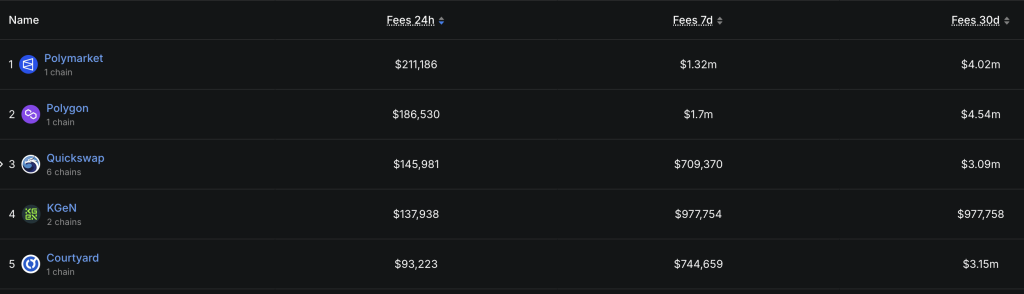
On Friday alone, Polygon generated a staggering $407,100 in transaction fees, while Ethereum lagged behind at just $211,700. That’s nearly double the revenue, and it’s all thanks to one unlikely catalyst: Polymarket.
The Polymarket Effect: How Prediction Markets Became a Fee-Generating Juggernaut
Polymarket, the decentralized prediction market platform, has been quietly building momentum for months. But when the Oscars rolled around, something extraordinary happened. The platform saw over $15 million wagered on a single betting category, creating a tsunami of transaction volume that crashed through Polygon’s fee barriers.
In just seven days, Polymarket generated over $1 million in network fees on Polygon—more than any other application on the network combined. To put this in perspective, the next biggest app on Polygon barely registered a fraction of that volume.
“It’s unprecedented,” says blockchain analyst Marcus Chen. “We’ve never seen a single application drive this kind of fee generation on a Layer 2 network. This isn’t just about volume—it’s about the quality of that volume and the stickiness of the user base.”
The Numbers Don’t Lie: Polygon’s Fee Dominance Explained
The math is brutally simple. Polygon transactions cost approximately $0.0026 on average, while Ethereum transactions hover around $1.68. For users placing multiple small bets or engaging in frequent trading activity, that difference is astronomical.
Let’s break it down: If you’re placing 100 bets at $10 each, you’d pay roughly $2.60 in fees on Polygon versus $168 on Ethereum. That’s a 6,400% difference in cost.
But it’s not just about individual transactions. Polygon hit an all-time high in daily USDC transactions, processing over 12 million daily transfers. Every other major blockchain—including Base, Arbitrum, and even Ethereum mainnet—struggled to break 3 million.
The implications are profound. Lower fees don’t just attract users; they fundamentally change user behavior. When transactions are cheap, people trade more frequently, place smaller bets, and engage more deeply with the platform. This creates a virtuous cycle: more activity drives more fees, which funds network growth, which attracts more users.
Ethereum’s Structural Dominance vs. Polygon’s Consumer Surge
While Polygon celebrates this historic moment, it’s crucial to understand the broader context. Ethereum remains the dominant smart contract platform by virtually every other metric—total value locked, developer activity, institutional adoption, and overall network security.
However, Ethereum is currently grappling with its own challenges. Recent large whale movements have injected volatility concerns into the market, with some analysts warning about potential crash risks following massive token dumps.
“The fee flip is significant, but it’s also somewhat of a perfect storm,” explains DeFi researcher Sarah Martinez. “Polymarket found product-market fit at exactly the right moment, and Polygon’s fee structure made it the natural home for prediction market activity. This doesn’t mean Ethereum is failing—it means different chains are finding their niches.”
What This Means for the Future of Blockchain Economics
Polygon’s fee flip represents more than just a temporary victory lap. It signals a fundamental shift in how we think about blockchain economics and user acquisition.
For years, the crypto industry has obsessed over total value locked, market capitalization, and developer mindshare. But Polygon’s success demonstrates that consumer-driven activity—particularly in the prediction market and gaming sectors—can generate substantial economic value that rivals traditional DeFi metrics.
The Polymarket phenomenon also highlights the importance of regulatory arbitrage and jurisdictional advantages. As prediction markets face increasing scrutiny in traditional financial jurisdictions, blockchain-based alternatives on networks like Polygon offer a compelling alternative that combines regulatory flexibility with technical efficiency.
The Broader Implications: Layer 2 Networks Coming of Age
Polygon’s fee dominance isn’t just a win for Polygon—it’s a validation of the entire Layer 2 ecosystem. For years, Layer 2 networks have promised cheaper, faster transactions while inheriting the security of their parent chains. Now, with Polygon demonstrating that these networks can generate substantial fee revenue, the economic model for Layer 2s becomes much more compelling.
This could accelerate investment in Layer 2 infrastructure, encourage more applications to build on these networks, and ultimately create a more diverse and resilient blockchain ecosystem. Instead of a single dominant chain, we might see a future where different networks specialize in different use cases—with Polygon emerging as the prediction market and consumer application hub.
Looking Ahead: Can Polygon Maintain Its Momentum?
The million-dollar question (or in this case, the multi-million dollar question) is whether Polygon can sustain this fee dominance. Polymarket’s Oscar betting surge was a unique event, and maintaining this level of activity will require continued user engagement and potentially new high-volume applications.
However, the underlying dynamics that enabled this flip remain powerful. As long as Polygon can maintain its cost advantage and continue attracting consumer-facing applications, it has the potential to challenge Ethereum’s economic dominance in specific sectors.
The blockchain industry is watching closely. If Polygon can turn this moment into sustained momentum, it could reshape the competitive landscape and force Ethereum to reconsider its positioning in the consumer application space.
One thing is certain: the fee wars are just beginning, and Polygon has fired the opening salvo that no one saw coming.
Tags & Viral Elements:
Polygon flips Ethereum, daily transaction fees, Polymarket Oscar betting, $15 million prediction markets, Layer 2 dominance, blockchain fee wars, crypto market disruption, Polygon vs Ethereum, prediction market explosion, blockchain economics revolution, fee generation breakthrough, Layer 2 networks coming of age, consumer blockchain adoption, crypto industry shakeup, transaction cost advantage, network revenue shift, blockchain competition heats up, Polygon historic moment, Ethereum fee pressure, prediction markets mainstream, blockchain user behavior, Layer 2 economic model, crypto fee comparison, blockchain specialization, network activity surge, crypto market dynamics, blockchain infrastructure evolution, fee generation milestone, consumer application blockchain, prediction market volume, blockchain ecosystem diversity, Layer 2 validation, crypto industry transformation, network fee economics, blockchain competitive landscape, Polygon momentum, Ethereum repositioning, crypto market structure, blockchain use case specialization.
,


Leave a Reply
Want to join the discussion?Feel free to contribute!