
Polymarket saw $529M traded on bets tied to bombing of Iran
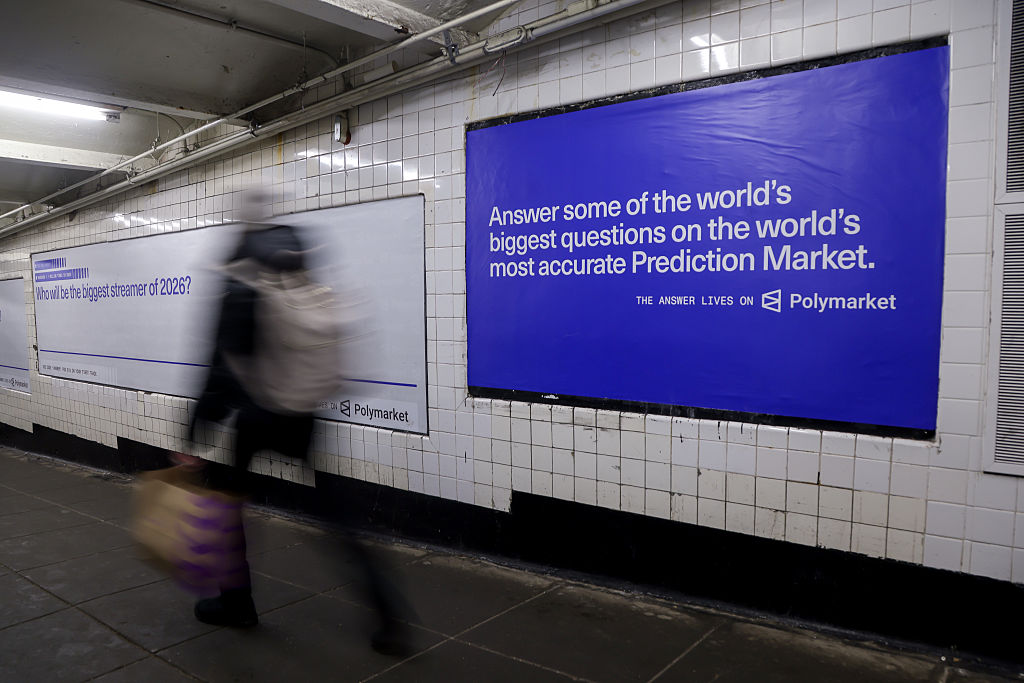
Prediction Markets Surge as Users Profit from Iran Conflict Bets—But Is It Insider Trading?
In a stunning display of high-stakes speculation, prediction markets have become the epicenter of controversy as traders reportedly made millions by accurately betting on the timing of U.S. and Israeli military actions against Iran. Polymarket, one of the most popular decentralized prediction platforms, saw a staggering $529 million in trading volume tied to contracts forecasting when an attack on Iran would occur. But as the dust settles, questions are mounting about whether these bets were based on insider knowledge—or just lucky guesses.
The Numbers Behind the Bets
According to a detailed analysis by Bloomberg, six newly created accounts on Polymarket collectively walked away with $1 million in profits after correctly predicting that the U.S. would strike Iran by February 28. The timing of these bets has raised eyebrows among analysts and regulators alike. The rapid creation of these accounts, coupled with their uncanny accuracy, has led some to speculate that the traders may have had access to non-public information about impending military operations.
Nicolas Vaiman, CEO of Bubblemaps SA, a blockchain analytics firm that investigated the trades, noted that the anonymity of platforms like Polymarket, combined with the high stakes of geopolitical events, can create a breeding ground for insider trading. “When information involving war or conflict is circulating, and participants can act without revealing their identities, it creates powerful incentives for those with privileged knowledge to act early,” Vaiman explained.
A Pattern of Suspicious Activity
This isn’t the first time prediction markets have been linked to controversial bets surrounding Iran. Back in January, analytics firm Polysights flagged a spike in bets on Kalshi, another prediction market platform, regarding the likelihood that Iran’s then-Supreme Leader Ali Khamenei would no longer hold his position by the end of March. At the time, Khamenei was alive and in power, making the bets seem like long shots. However, Khamenei passed away in January 2026, validating the predictions and raising further questions about the sources of this information.
The implications of such bets are troubling. If traders are profiting from the deaths of world leaders or the outbreak of conflicts, it could incentivize harmful actions. Tarek Mansour, CEO of Kalshi, addressed these concerns directly, stating, “We don’t list markets directly tied to death. When there are markets where potential outcomes involve death, we design the rules to prevent people from profiting from death.” Mansour also announced that Kalshi would reimburse all fees from these controversial bets, a move aimed at maintaining the platform’s integrity.
The Ethics of Prediction Markets
The rise of prediction markets has sparked a heated debate about their ethical implications. On one hand, proponents argue that these platforms provide a unique way to gauge public sentiment and forecast future events. By allowing users to “put their money where their mouth is,” prediction markets can offer insights that traditional polling or analysis might miss. For example, Polymarket’s betting odds on the 2024 U.S. presidential election were often cited as more accurate than traditional polls.
However, critics argue that the anonymity and lack of regulation in these markets make them vulnerable to manipulation and exploitation. The Iran conflict bets are a prime example of how prediction markets can be used to profit from real-world tragedies. If insider trading is indeed taking place, it undermines the credibility of these platforms and raises serious ethical concerns.
The Role of Anonymity
One of the key features of platforms like Polymarket is their anonymity. Users can trade without revealing their identities, which is both a strength and a weakness. On the positive side, it allows people to participate without fear of judgment or retaliation. However, it also makes it nearly impossible to trace suspicious activity or hold bad actors accountable.
The Iran conflict bets highlight the dark side of this anonymity. If the traders behind the six profitable accounts are indeed insiders, they could be profiting from information that the general public doesn’t have access to. This not only gives them an unfair advantage but also raises questions about the role of prediction markets in shaping public perception and behavior.
Regulatory Scrutiny
As prediction markets grow in popularity, they are likely to face increased scrutiny from regulators. The Iran conflict bets could serve as a catalyst for tighter oversight, particularly in the U.S., where platforms like Polymarket operate in a legal gray area. While prediction markets are not explicitly illegal, they are not fully regulated either, leaving them vulnerable to exploitation.
Regulators may look to impose stricter rules on these platforms, such as requiring user verification or limiting the types of events that can be bet on. However, such measures could also stifle innovation and reduce the appeal of prediction markets. Striking the right balance between regulation and freedom will be a key challenge for policymakers in the coming years.
The Future of Prediction Markets
Despite the controversies, prediction markets are likely here to stay. Their ability to aggregate information and forecast outcomes has proven valuable in a variety of contexts, from politics to finance. However, the Iran conflict bets serve as a stark reminder of the ethical and regulatory challenges these platforms face.
As prediction markets continue to evolve, they will need to address these issues head-on. This could involve implementing stronger safeguards against insider trading, increasing transparency, or even partnering with regulators to ensure compliance. Only by doing so can they maintain their credibility and continue to provide value to users.
Conclusion
The surge in prediction market activity surrounding the Iran conflict has put these platforms in the spotlight, for better or worse. While they offer a fascinating glimpse into the power of collective intelligence, they also raise serious questions about ethics, regulation, and the role of anonymity in financial markets. As the debate continues, one thing is clear: prediction markets are no longer a niche curiosity—they are a force to be reckoned with, and their impact on the world is only just beginning.
Tags: Prediction Markets, Polymarket, Iran Conflict, Insider Trading, Geopolitical Betting, Blockchain Analytics, Kalshi, Ethical Concerns, Regulatory Scrutiny, Anonymity, Tarek Mansour, Nicolas Vaiman, Polysights, Supreme Leader Khamenei, Military Action, Decentralized Platforms, Financial Markets, Controversy, Speculation, War Bets, Blockchain, Trading Volume, Profitability, Public Sentiment, Forecasting, Innovation, Regulation, Transparency, Collective Intelligence, Geopolitical Events, Non-Public Information, Accountability, Manipulation, Exploitation, Legal Gray Area, User Verification, Safeguards, Credibility, Value, Impact, Niche Curiosity, Force to be Reckoned With.
Viral Phrases: “Prediction Markets Surge as Users Profit from Iran Conflict Bets—But Is It Insider Trading?”, “Six Newly Created Accounts Walk Away with $1 Million in Profits”, “Anonymity Creates Powerful Incentives for Those with Privileged Knowledge”, “Striking the Right Balance Between Regulation and Freedom”, “Prediction Markets Are No Longer a Niche Curiosity—They Are a Force to be Reckoned With”, “The Dark Side of Anonymity in Financial Markets”, “Can Prediction Markets Forecast the Future Without Exploiting It?”, “The Ethics of Profiting from Real-World Tragedies”, “Regulators May Look to Impose Stricter Rules on These Platforms”, “The Iran Conflict Bets Serve as a Catalyst for Tighter Oversight”.
,


Leave a Reply
Want to join the discussion?Feel free to contribute!