
Polymarket Traders Make $1M on US-Iran Strike Bets, Spark Insider Concerns
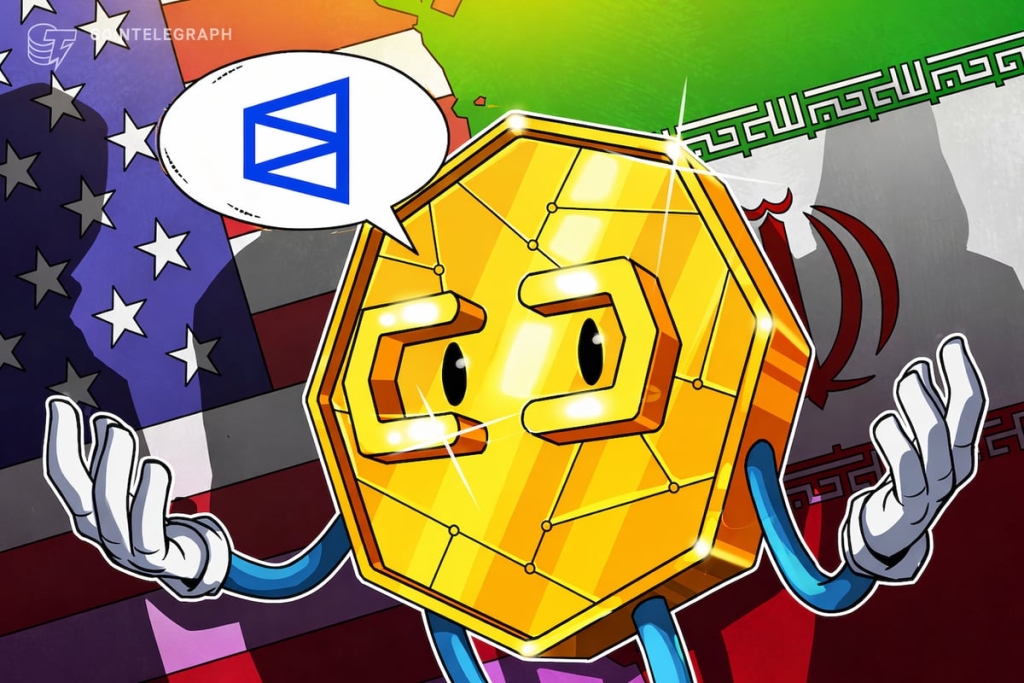
$1 Million Windfall Sparks Insider Trading Allegations on Polymarket After Iran Strike
In a high-stakes saga that’s sending shockwaves through the crypto and prediction market worlds, six mysterious Polymarket traders have reportedly raked in nearly $1 million by accurately betting that the United States would launch military strikes against Iran before the end of February. The jaw-dropping profits, combined with the suspiciously perfect timing of their trades, have ignited a firestorm of insider trading allegations that’s got the entire crypto community buzzing.
The Perfect Storm: Timing, Volume, and Suspicious Activity
According to a bombshell Bloomberg report citing blockchain analytics firm Bubblemaps SA, these six wallets—all created in February—placed nearly all their activity on contracts predicting the timing of a potential US attack on Iran. Here’s where it gets truly wild: several of these traders purchased shares just hours before explosions were first reported in Tehran, with some contracts acquired for around $0.10 per share.
The pattern is raising major red flags among on-chain investigators who’ve seen similar behavior in previous suspected insider trading cases on prediction markets. As one crypto sleuth put it on X (formerly Twitter), “This looks exactly like what we’ve seen before when people had advance knowledge of major events.”
Breaking Down the Numbers: $529 Million in Strike-Related Bets
The recent escalation saw an absolutely staggering $529 million flow into strike-related contracts on Polymarket. The February 28 contract alone attracted roughly $90 million in trading volume, making it the most popular strike date among traders. A January 31 scenario followed with about $42 million.
What makes this even more intriguing is that one of the flagged accounts had previously lost money on an earlier prediction before placing a larger wager that later returned more than $170,000. While this doesn’t prove wrongdoing, it certainly adds another layer to this unfolding mystery.
Not an Isolated Incident: Polymarket’s Insider Trading History
This isn’t Polymarket’s first rodeo with insider trading allegations. Just this week, a small cluster of crypto wallets earned more than $1.2 million betting on a contract tied to an on-chain investigation into DeFi platform Axiom. The timing? Suspiciously perfect—they placed their bets shortly before investigator ZachXBT published claims about insider trading at Axiom.
Last month, another Polymarket account made about $400,000 from a well-timed wager on the capture of Venezuelan President Nicolás Maduro. That wallet had placed roughly $32,000 on Maduro’s removal shortly before the news became public, again raising insider trading concerns.
The Information Advantage: How Insider Trading Works on Prediction Markets
Nicolas Vaiman, CEO of Bubblemaps, provided crucial context on why these platforms are so vulnerable to insider trading. “In cases involving war or conflict, information can circulate within a broader circle before becoming public,” he explained. “Combined with the fact that Polymarket generally only requires a wallet to trade, which allows for a high level of anonymity, this can create incentives for informed participants to act early.”
The anonymity factor is key here. Unlike traditional financial markets where insider trading can often be traced through regulated accounts, prediction markets like Polymarket operate in a largely unregulated space where anyone with a crypto wallet can participate without revealing their identity.
Regulatory Crackdown: The World Pushes Back
As these controversies mount, Polymarket has faced a wave of regulatory actions worldwide. Countries including the Netherlands, Hungary, Belgium, France, Italy, Romania, Poland, Singapore, and Portugal have blocked or banned the platform after classifying its event-based contracts as unlicensed online gambling rather than financial trading.
The Netherlands has been particularly aggressive, with Dutch authorities calling on Polymarket’s arm to cease activities entirely. The common thread among these regulatory actions is the concern that prediction markets enable gambling on real-world events without proper oversight.
Washington Takes Notice: Bipartisan Push for Regulation
The mounting evidence of insider trading on platforms like Polymarket has caught the attention of US lawmakers. Representative Ritchie Torres is preparing legislation called the Public Integrity in Financial Prediction Markets Act of 2026 to limit insider trading on prediction platforms.
The proposed bill would bar elected officials, political appointees, and executive-branch employees from trading contracts tied to government policy or political outcomes when they possess nonpublic information. This represents a significant step toward bringing prediction markets under the same regulatory umbrella as traditional financial instruments.
The Bigger Picture: Prediction Markets as the Wild West of Finance
What we’re witnessing is the collision between the decentralized, anonymous nature of crypto markets and the real-world consequences of trading on nonpublic information. Prediction markets like Polymarket have created a fascinating new frontier where anyone can bet on virtually anything—from political outcomes to military actions to corporate events.
However, this freedom comes with serious risks. The Iran strike case demonstrates how these platforms can be exploited by those with advance knowledge of major events, potentially undermining the integrity of the markets and raising ethical questions about profiting from global conflicts.
The Verdict: Innocent Until Proven Guilty?
While the timing and profits of these six wallets are certainly suspicious, it’s worth noting that Washington had publicly warned of possible military action for weeks before the strikes occurred. This public warning could have drawn speculators to the platform without any insider knowledge.
Additionally, the fact that one account had previously lost money on an earlier prediction before winning big suggests that these traders might simply be skilled (or lucky) rather than malicious. However, the pattern of suspicious activity across multiple high-profile events on Polymarket is making it increasingly difficult to dismiss these concerns.
What’s Next: The Future of Prediction Markets
As regulatory pressure mounts and evidence of insider trading accumulates, the prediction market industry faces a critical juncture. Will platforms like Polymarket be forced to implement stricter identity verification and trading restrictions? Or will they continue operating in the regulatory gray area that has enabled both their explosive growth and their vulnerability to abuse?
One thing is certain: the $1 million windfall from the Iran strike bets has put prediction markets squarely in the crosshairs of regulators, investigators, and the crypto community at large. The coming months will likely determine whether these platforms can survive the scrutiny they’re now facing.
Tags: Polymarket, Iran strike, insider trading, prediction markets, crypto betting, blockchain analytics, Bubblemaps, military conflict betting, unregulated markets, cryptocurrency gambling, geopolitical betting, decentralized finance, crypto regulation, prediction market scandal, blockchain investigation, anonymous trading, crypto controversy, prediction market profits, military action betting, crypto news viral
Viral Sentences:
- “Six wallets made $1M betting on US-Iran strikes hours before explosions”
- “Polymarket insider trading allegations heat up as $529M flows into Iran contracts”
- “Crypto sleuths spot suspicious pattern: buy low, strike happens, profit skyrockets”
- “Anonymous wallets rake in millions from military conflicts and political upheavals”
- “Prediction markets become the new frontier for information arbitrage and insider trading”
- “Washington warned of strikes, but these traders knew exactly when to strike back”
- “The wild west of crypto betting just got a whole lot wilder”
- “How to make a million: predict war, buy contracts, watch profits explode”
- “Polymarket’s anonymity shield may be cracking under insider trading pressure”
- “From Maduro to Iran: prediction markets’ perfect storm of controversy”
- “Crypto’s prediction playground now under regulatory microscope”
- “The $1M question: skill or insider information?”
- “Anonymous betting meets real-world consequences in crypto’s prediction markets”
- “When gambling on war becomes a million-dollar business”
- “The perfect crime? Or just perfect timing in crypto’s prediction markets?”
,


Leave a Reply
Want to join the discussion?Feel free to contribute!