
Popular Anti-Aging Supplement May Fuel Cancer Growth – Here’s Why : ScienceAlert
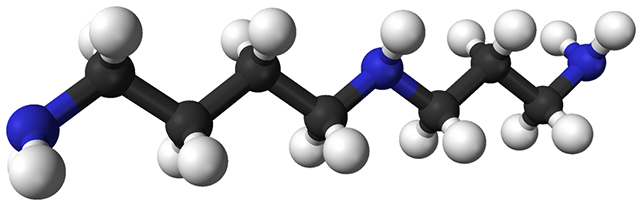
Hold onto your lab coats, science enthusiasts — a group of natural compounds once hailed as the fountain of youth just got a major reality check. A groundbreaking new study reveals that polyamines, the same chemicals linked to anti-aging breakthroughs, may actually fuel the fire of cancer growth. Led by researchers at Tokyo University of Science, this bombshell discovery could reshape both cancer treatment and longevity research.
Polyamines are essential molecules found in every living cell, quietly regulating growth, protein synthesis, and cellular repair. You’ve probably heard of spermidine — one of the most famous polyamines — thanks to its recent fame in anti-aging circles. Animal studies have linked it to longer lifespans, better health, and even sharper memory. It’s now a star ingredient in countless over-the-counter supplements promising vitality and well-being.
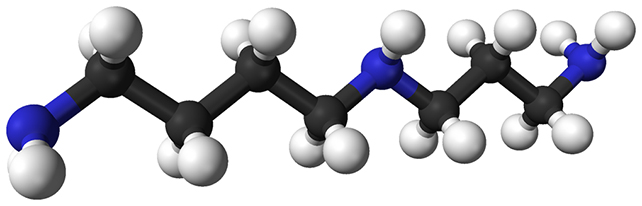
But here’s the twist: past research has also connected spermidine and its polyamine cousins to cancer spread. The new study set out to uncover exactly how these compounds interact with cancer cells — especially their bizarre ability to burn through sugar without oxygen, even when plenty of oxygen is available (a phenomenon known as aerobic glycolysis).
“Changes in polyamine metabolism are correlated with various pathologies, including cancer and age-related conditions,” the researchers write in their published paper. “However, how polyamines directly modulate genes that affect cancer progression, in particular aerobic glycolysis-dependent cell growth, remains unclear.”
To crack the code, the team used lab cultures of cervical and breast cancer cells, tweaking levels of polyamines and closely watching the effects on two nearly identical proteins: eIF5A1 and eIF5A2. While these proteins share almost the same amino acid sequences, their roles couldn’t be more different — eIF5A1 is vital for healthy cells, while eIF5A2 is suspected to be a key player in cancer growth.
The researchers suspected that polyamines might be pulling the strings behind spermidine’s double life as both an anti-aging hero and a cancer accomplice. Using drugs and genetic editing, they altered polyamine and protein levels in the cancer cells.
The results were eye-opening. Polyamines pushed cancer cells into overdrive, ramping up aerobic glycolysis and boosting eIF5A2 production by removing a natural “brake” — an RNA molecule called miR-6514-5p. When polyamines or eIF5A2 were removed, cancer cell growth plummeted. But when spermidine was added back? The tumors bounced right back, proving its critical role in fueling cancer expansion.
“The biological activity of polyamines via eIF5A differs between normal and cancer tissues,” explains biochemist Kyohei Higashi from Tokyo University of Science. “In normal tissues, eIF5A1, activated by polyamines, activates mitochondria via autophagy, whereas in cancer tissues, eIF5A2, whose synthesis is promoted by polyamines, controls gene expression at the translational level to facilitate the proliferation of cancer cells.”
Before you panic and toss your supplements, the researchers stress that polyamines don’t cause cancer on their own. Instead, once cancer has already taken hold, these compounds can be hijacked by tumors to survive and spread.
The discovery of eIF5A2 and miR-6514-5p’s roles opens exciting new doors for cancer treatment. By targeting these molecules, scientists may be able to disrupt the very mechanisms that cancer relies on to thrive — without harming healthy cells.
“Our findings reveal an important role for eIF5A2, regulated by polyamines and miR-6514-5p, in cancer cell proliferation, suggesting that the interaction between eIF5A2 and ribosomes, which regulate cancer progression, is a selective target for cancer treatment,” the researchers write.
This research is still in its early stages, limited to lab cell cultures, but it’s a major leap forward in understanding the complex relationship between aging, health, and disease. As scientists continue to unravel these molecular mysteries, one thing is clear: the line between anti-aging miracle and cancer culprit is thinner than we thought.
Related: Two Cancers Have Links With Talc. An Expert Explains The Science.
The research has been published in the Journal of Biological Chemistry.
Tags:
polyamines #spermidine #antiaging #cancerresearch #TokyoUniversity #eIF5A2 #miR6514-5p #cellularbiology #longevity #healthsupplements
Viral Sentences:
- “Anti-aging miracle or cancer culprit? The shocking truth about spermidine!”
- “Scientists uncover how a popular supplement might fuel tumor growth.”
- “The fountain of youth has a dark side — and it’s growing cancer cells.”
- “This ‘longevity molecule’ could be helping tumors thrive. Here’s why.”
- “New cancer breakthrough: How your anti-aging pills might be feeding disease.”
- “The molecule that promises eternal youth might also be a tumor’s best friend.”
- “From lifespan extension to cancer spread — the double life of polyamines revealed.”
- “Why your ‘healthy’ supplement could be a hidden danger for cancer patients.”
- “Groundbreaking study flips the script on anti-aging supplements and cancer risk.”
- “The science world is buzzing: Can the same compound both extend life and promote cancer?”
,



Leave a Reply
Want to join the discussion?Feel free to contribute!