
Power Computing goes out of business
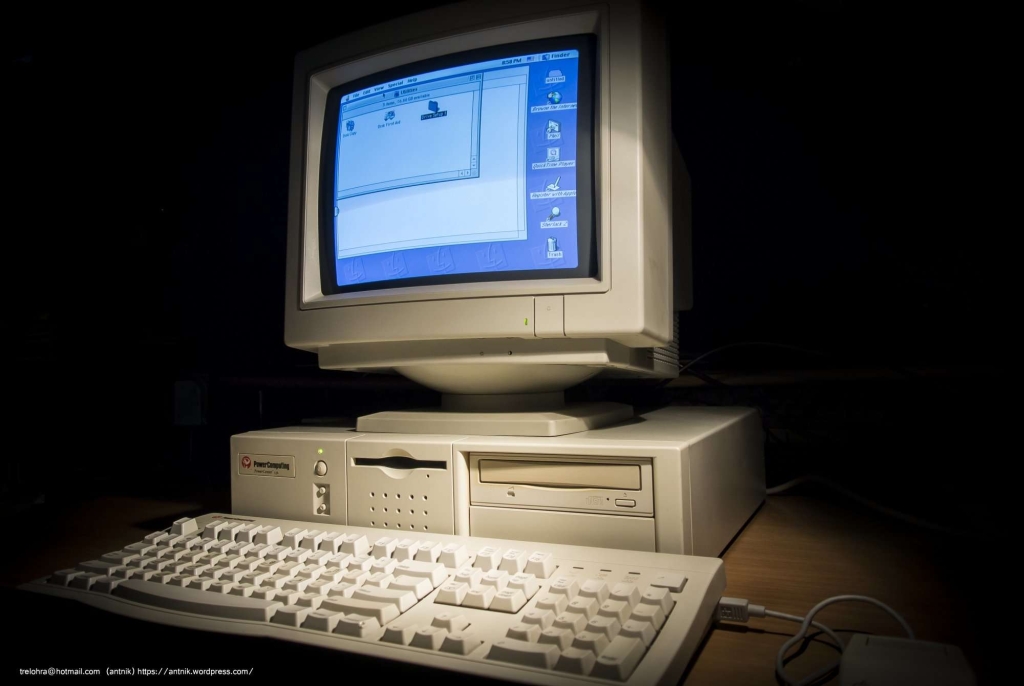
January 31, 1998: The Fall of Power Computing—The End of an Era for Mac Clones
On January 31, 1998, the tech world witnessed the closure of Power Computing, one of the most ambitious and innovative players in the Macintosh ecosystem. Once hailed as the fastest-growing PC company of the decade, Power Computing’s demise marked the end of Apple’s controversial experiment with Mac clones. This is the story of how a bold idea, a fierce rivalry, and a strategic pivot reshaped the future of Apple and its ecosystem.
The Rise of Power Computing
In November 1993, Power Computing was founded in Texas with a bold vision: to bring Macintosh clones to the masses through direct mail-order sales. Inspired by the success of Dell’s direct-to-consumer model, Power Computing’s founder, Stephen Kahng, saw an opportunity to disrupt the Mac market by offering high-performance machines at competitive prices.
Apple, initially skeptical of working with a startup, eventually licensed its Mac OS to Power Computing in 1994. This decision came at a time when Apple was grappling with the rise of Windows 95 and the need to expand the Mac’s market share. Power Computing quickly became a formidable player, releasing machines like the PowerTower Pro, which were praised for their speed and reliability.
The Clone Wars: A Double-Edged Sword
The licensing of Mac OS to third-party manufacturers was a controversial move for Apple. While it aimed to increase the Mac’s market penetration, it also led to the rise of cheaper, high-performance alternatives to Apple’s own machines. This strategy, though well-intentioned, began to cannibalize Apple’s own sales.
By 1997, Apple’s CFO, Fred Anderson, calculated that the $50 licensing fee per clone Mac did not come close to offsetting the revenue lost from customers opting for third-party machines over Apple’s pricier offerings. The clone program, once seen as a lifeline, had become a liability.
Steve Jobs’ Return and the End of Clones
The return of Steve Jobs to Apple in 1997 marked a turning point. Jobs, who had never been a fan of licensing Apple’s technology to competitors, was determined to end the clone program. His strategy was both bold and ruthless.
In August 1997, Apple introduced Mac OS 8 and argued that the licensing agreement with third-party manufacturers only extended to System 7. This clever legal maneuver effectively cut off clone makers from the latest software updates, rendering their machines obsolete.
The Acquisition of Power Computing
On September 2, 1997, Apple acquired Power Computing’s customer list and Mac OS license for $100 million in AAPL stock and $10 million to cover outstanding debts. This move was seen as a strategic win for Apple, as it not only eliminated a competitor but also gained valuable insights into direct-to-consumer sales.
Steve Jobs hailed the acquisition, stating, “Power Computing has pioneered direct marketing and sales in the Macintosh market, successfully building a $400 million business. We look forward to learning from their experience and welcoming their customers back into the Apple family.”
The Legacy of Power Computing
Although Power Computing’s closure marked the end of Mac clones, its influence on Apple’s future cannot be overstated. The company’s focus on direct-to-consumer sales and high-performance machines laid the groundwork for Apple’s later success with products like the iMac and Power Mac G3.
At the time of its closure, Power Computing was on track to reach $700 million in annual revenue and had plans to build a $28 million headquarters in Georgetown, Texas. However, these ambitions were cut short as Apple consolidated its control over the Mac ecosystem.
Conclusion: A Turning Point for Apple
The closure of Power Computing on January 31, 1998, was more than just the end of a company—it was the end of an era. It marked Apple’s return to a tightly controlled ecosystem, where hardware and software were seamlessly integrated. This strategy, championed by Steve Jobs, would become the foundation of Apple’s resurgence in the years to come.
As we look back, Power Computing’s story serves as a reminder of the risks and rewards of innovation. While its closure was a setback for the clone market, it paved the way for Apple’s transformation into the tech giant we know today.
Tags & Viral Phrases:
- Mac Clones
- Power Computing
- Steve Jobs
- Apple History
- Mac OS 8
- Direct-to-Consumer Sales
- Tech Rivalry
- Innovation
- The End of an Era
- Apple’s Comeback
- Tech Legends
- Game Changer
- Must-Read Tech Story
- How Apple Took Back Control
- The Clone Wars
- A Bold Move by Steve Jobs
- The Rise and Fall of Power Computing
- Tech History You Need to Know
- Why Mac Clones Failed
- Apple’s Strategic Pivot
- The Legacy of Power Computing
- Tech Evolution
- Apple’s Ecosystem
- The Future of Macs
- Tech Nostalgia
- Apple’s Resurgence
- The Power of Innovation
- A Lesson in Tech Strategy
- The Mac’s Market Share
- The Clone Program
- Apple’s Legal Maneuver
- The Acquisition
- Tech Disruption
- The Direct Sales Model
- Apple’s Recovery
- The iMac Era
- The Power Mac G3
- Tech Giants
- The Mac Ecosystem
- Apple’s Control
- The End of Mac Clones
- Tech History
- Apple’s Legacy
- The Future of Technology
,


Leave a Reply
Want to join the discussion?Feel free to contribute!