
Prime Video’s ad free subscription becomes Prime Video Ultra for $4.99 a month
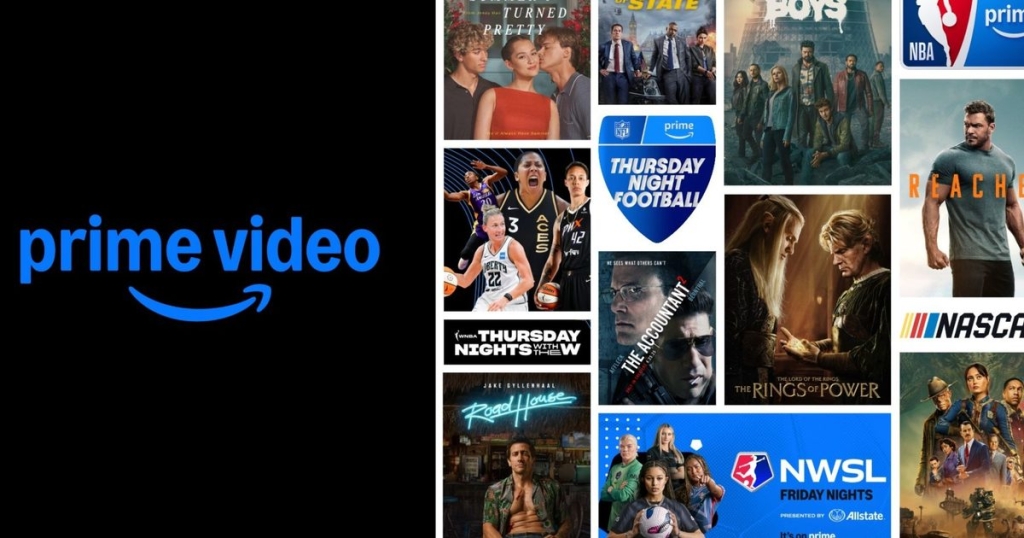
Amazon Launches Prime Video Ultra: A New Era of Ad-Free Streaming
In a bold move that’s sending shockwaves through the streaming industry, Amazon has officially unveiled Prime Video Ultra, a premium ad-free subscription tier that’s set to revolutionize how millions of viewers consume content on the platform. This strategic launch represents Amazon’s most significant evolution of its streaming service since introducing ads to Prime Video in early 2024.
The Evolution of Prime Video Streaming
For years, Prime Video operated as a straightforward ad-free benefit bundled within Amazon’s broader Prime membership ecosystem. However, the streaming landscape has undergone dramatic transformation, with platforms increasingly adopting tiered pricing models that separate ad-supported and ad-free experiences.
Prime Video Ultra marks Amazon’s formal acknowledgment of this industry shift while providing existing subscribers with enhanced flexibility. The service officially launches on April 10, 2025, giving current Prime members and Prime Video subscribers the option to upgrade their experience for an additional $4.99 per month.
Breaking Down the Pricing Structure
The financial implications of this new tier are substantial. Users must already maintain either a Prime membership ($14.99 monthly or $139 annually) or a standalone Prime Video subscription ($8.99 monthly) to access Prime Video Ultra. This means the true cost of an ad-free experience ranges from $19.98 monthly to $24.48 monthly, depending on existing subscription choices.
Amazon has sweetened the deal for annual Prime members by offering a discounted yearly Prime Video Ultra plan at $45.99. This represents approximately a 23% savings compared to the monthly rate, potentially saving subscribers nearly $14 annually.
Enhanced Features Beyond Ad-Free Viewing
Prime Video Ultra isn’t just about eliminating advertisements—it’s a comprehensive upgrade that unlocks premium features previously unavailable to standard subscribers. The tier now exclusively offers 4K/UHD content and Dolby Atmos audio output, positioning it as a must-have for home theater enthusiasts and audiophiles.
Additionally, Ultra subscribers gain expanded streaming capabilities, with support for five simultaneous screens compared to the standard four-screen limit. Offline viewing also sees a boost, with Ultra subscribers enjoying enhanced download management and storage options.
Geographic Limitations and Future Expansion
Currently, Prime Video Ultra is available exclusively to subscribers in the United States. This initial rollout strategy allows Amazon to test the market response and refine the service before potentially expanding to other regions. Industry analysts speculate that international expansion could follow within 12-18 months, depending on the tier’s performance in the U.S. market.
Industry Context and Competitive Landscape
Amazon’s move mirrors similar strategies employed by streaming giants like Netflix, Disney+, and Hulu, all of which have introduced ad-supported tiers to attract price-sensitive consumers while maintaining premium ad-free options for those willing to pay more.
The timing is particularly significant as streaming services face mounting pressure to demonstrate profitability amid rising content production costs and increasing competition for viewer attention. By offering multiple pricing tiers, Amazon can capture revenue from both budget-conscious viewers and those prioritizing premium experiences.
What This Means for Existing Subscribers
Current Prime members face a critical decision: maintain their existing ad-supported experience or upgrade to Ultra for uninterrupted viewing. The choice largely depends on individual tolerance for advertisements and willingness to pay for premium features.
For heavy streamers who value 4K content and superior audio quality, the Ultra upgrade represents a compelling value proposition. However, casual viewers who primarily watch on mobile devices or standard televisions might find the ad-supported tier sufficient for their needs.
The Future of Streaming Economics
Prime Video Ultra’s launch signals a broader shift in how streaming services monetize content. The days of simple, all-inclusive subscriptions appear to be waning as platforms adopt more nuanced pricing strategies that cater to diverse consumer preferences and willingness to pay.
Industry experts predict this trend will continue, with future iterations potentially including even more specialized tiers targeting specific content types, viewing habits, or demographic groups. Amazon’s successful implementation of Prime Video Ultra could serve as a blueprint for other platforms considering similar restructuring.
Technical Implementation and User Experience
From a technical standpoint, the transition to Ultra involves sophisticated backend infrastructure that seamlessly manages user authentication, content delivery, and ad insertion/removal based on subscription status. Amazon has reportedly invested heavily in ensuring the upgrade process is smooth and transparent for users.
The user interface will clearly indicate Ultra benefits, with special badges and indicators highlighting 4K content availability and Dolby Atmos support. This visual differentiation helps subscribers understand exactly what they’re paying for and reinforces the value proposition of the premium tier.
Content Library Implications
All licensed content and Amazon Originals—including popular series like “Fallout,” “Reacher,” and “The Boys”—remain available across both tiers. The primary distinction lies in the viewing experience quality and additional features rather than content exclusivity.
This approach ensures that subscription choice doesn’t create content fragmentation, allowing viewers to select their preferred tier without worrying about missing out on specific shows or movies.
Market Reception and Consumer Sentiment
Early reactions from industry analysts have been largely positive, with many praising Amazon’s balanced approach to introducing premium features without alienating existing subscribers. The relatively modest $4.99 monthly premium for ad-free viewing is seen as competitive compared to other platforms’ pricing strategies.
However, some consumer advocacy groups have expressed concern about the increasing complexity of streaming subscriptions and the potential for “subscription fatigue” as platforms continue to introduce new tiers and pricing options.
Long-term Strategic Implications
For Amazon, Prime Video Ultra represents more than just a new subscription option—it’s a strategic move to strengthen the company’s position in the competitive streaming market while generating additional revenue to fund high-quality content production.
The success of this tier could influence Amazon’s broader content strategy, potentially accelerating investments in original programming and exclusive licensing deals that justify the premium pricing and attract subscribers to the Ultra experience.
Looking Ahead
As streaming continues to evolve, Prime Video Ultra may be remembered as a pivotal moment when major platforms fully embraced tiered pricing models. The coming months will reveal whether consumers embrace this approach or if demand emerges for alternative models that balance affordability with premium features.
For now, Amazon has positioned itself at the forefront of streaming innovation, offering viewers unprecedented control over their entertainment experience while setting the stage for continued evolution in how we consume digital content.
Tags: #PrimeVideoUltra #AmazonStreaming #AdFree #StreamingServices #TechNews #DigitalTrends #StreamingEconomy #PremiumContent #HomeTheater #StreamingInnovation
Viral Phrases: “Revolutionizing streaming experience”, “Ad-free revolution”, “Premium entertainment unlocked”, “Streaming’s new frontier”, “Choice redefined”, “Quality meets convenience”, “The future of viewing”, “Entertainment evolution”, “Streaming sophistication”, “Viewer empowerment”
,


Leave a Reply
Want to join the discussion?Feel free to contribute!