
Proton Mail Helped FBI Unmask Anonymous ‘Stop Cop City’ Protester
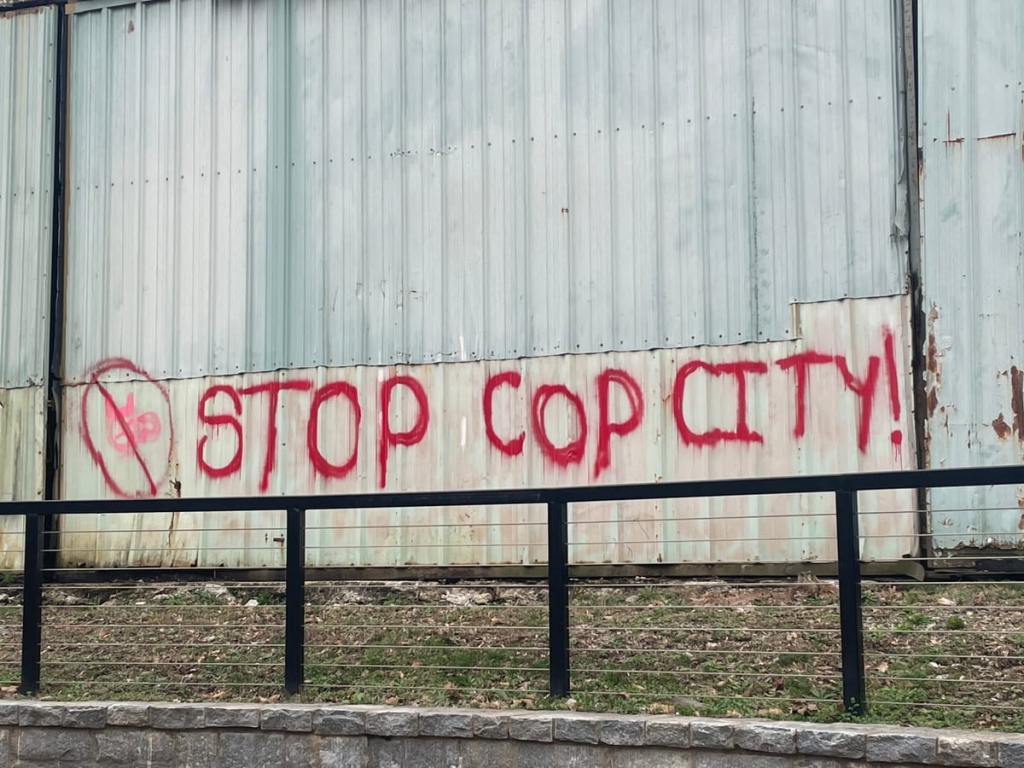
Proton Mail Hands Over Payment Data to Swiss Authorities, FBI Uses It to Track Stop Cop City Activist
In a revelation that has sent shockwaves through the privacy community, encrypted email provider Proton Mail has been caught providing payment data to Swiss authorities—data that was later used by the FBI to identify an alleged activist linked to the Stop Cop City movement in Atlanta.
The case, detailed in court records reviewed by 404 Media, exposes the limits of Proton Mail’s vaunted privacy protections and raises serious questions about the company’s claims of being governed solely by Swiss privacy law.
The Stop Cop City Connection
The Proton Mail account in question was reportedly affiliated with Defend the Atlanta Forest (DTAF), a group involved in protests against the construction of a massive police training facility near Intrenchment Creek Park. The movement, which included forest camping, lawsuits, and various direct actions, drew national attention and led to charges against over 60 people—charges that have since been dropped.
According to the court records, Swiss authorities provided the FBI with payment information from Proton Mail, which investigators then used to trace the identity of the account holder. This chain of information sharing ultimately led to the identification of Tyler Stanfield, who was allegedly behind the anonymous account.
Proton Mail’s Privacy Promise Under Scrutiny
Proton Mail has built its reputation on two pillars: end-to-end encryption and Swiss jurisdiction. The company frequently emphasizes that it is only subject to Swiss privacy laws, which are among the strictest in the world. However, this case demonstrates that even Swiss-based companies can be compelled to provide data to foreign law enforcement agencies under certain circumstances.
The payment data provided by Proton Mail likely included information such as the user’s name, address, and payment method—details that, while not revealing the content of emails, can be crucial for identifying anonymous users.
The Legal Framework
Swiss law does allow for the sharing of data with foreign authorities, particularly in cases involving serious crimes. However, the exact legal mechanisms that allowed Swiss authorities to share this data with the FBI remain unclear from the court records.
This case highlights the complex web of international data sharing agreements and the limitations of privacy protections when users engage in activities that authorities deem criminal.
Industry and User Reactions
The revelation has sparked intense debate within the tech community. Privacy advocates argue that this case demonstrates the fundamental limitations of commercial privacy services, while others point out that no privacy guarantee is absolute when facing determined law enforcement efforts.
Some users have expressed disappointment with Proton Mail, feeling that the company’s marketing materials may have oversold the protections available to users engaged in controversial political activities.
Broader Implications
This case raises important questions about the nature of digital privacy in an interconnected world. It demonstrates that:
- Payment information can be a significant vulnerability for anonymous online activities
- Even “privacy-focused” companies may have obligations to provide data under certain circumstances
- The jurisdiction where a company is based may not provide the protections users expect
What This Means for Users
For activists and others concerned about privacy, this case serves as a reminder that true anonymity requires careful consideration of all data points, not just the content of communications. Payment information, IP addresses, and other metadata can all potentially be used to identify users.
The case also underscores the importance of understanding the legal frameworks that govern the services we use, particularly when engaging in controversial or politically sensitive activities.
Looking Forward
As digital privacy tools become more sophisticated, law enforcement agencies continue to develop new methods for identifying individuals engaged in illegal activities. This cat-and-mouse game between privacy advocates and authorities is likely to continue, with each side developing new strategies and countermeasures.
For Proton Mail and similar services, this case may prompt a reevaluation of how they communicate their privacy protections to users, particularly those engaged in political activism or other controversial activities.
Tags:
ProtonMail #Privacy #FBI #StopCopCity #DataPrivacy #SwissLaw #Encryption #Activism #DigitalPrivacy #OnlineSecurity
Viral Phrases:
“Privacy promise shattered”
“Encrypted email provider caught in FBI investigation”
“Swiss authorities hand over data to US law enforcement”
“Payment info reveals anonymous activists”
“Proton Mail’s limits exposed”
“Activist identified through payment data”
“Digital privacy: what they don’t tell you”
“When encryption isn’t enough”
“The metadata you didn’t know was exposing you”
“Privacy tools vs determined authorities”
,


Leave a Reply
Want to join the discussion?Feel free to contribute!