
RAM now represents 35 percent of bill of materials for HP PCs
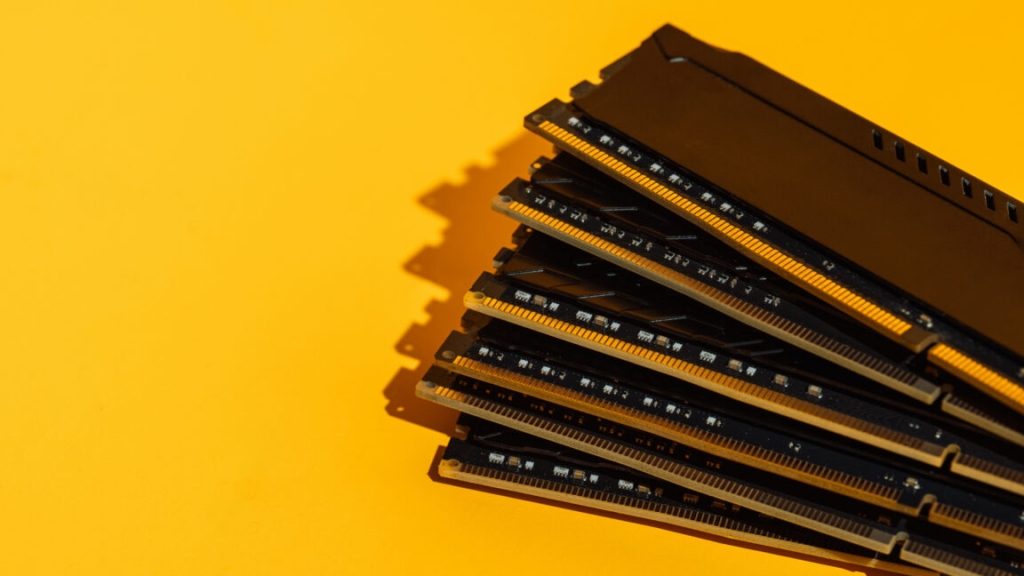
Memory Crisis Hits PC Makers Hard: HP Reveals DRAM Costs Have Doubled, Squeezing Profits and Raising Consumer Prices
In a stark revelation that underscores the growing severity of the global memory shortage, HP Inc.’s CFO Karen Parkhill disclosed that DRAM (Dynamic Random Access Memory) has skyrocketed from representing roughly 15 to 18 percent of the bill of materials for HP PCs in fiscal Q4 2025 to an eye-watering 35 percent for the remainder of the year. This dramatic cost surge is sending shockwaves through the tech industry, forcing manufacturers to make tough decisions that will inevitably impact consumers worldwide.
The announcement came during HP’s Q1 2026 earnings call, where the company painted a sobering picture of the months ahead. Parkhill revealed that memory costs have increased by approximately 100 percent sequentially, with further increases anticipated as the fiscal year progresses. This unprecedented price volatility is forcing HP to raise PC prices significantly, potentially dampening consumer demand in an already challenging market environment.
HP’s interim CEO and director Bruce Broussard emphasized that the company is experiencing increased input costs driven primarily by the surging prices of both DRAM and NAND flash memory. “We expect this volatility to remain throughout fiscal [year 2026] and likely into fiscal [year 2027],” Broussard warned, suggesting that consumers and businesses should brace for sustained higher prices on computing devices for the foreseeable future.
The financial impact on HP is particularly severe in the second half of its fiscal year, according to Parkhill. While the company has some cushion through non-RAM-related revenue streams—including IT services and peripherals, which account for about a third of the margin for its Personal Systems business—these buffers are proving insufficient to fully absorb the dramatic cost increases.
This crisis is not isolated to HP alone. The memory shortage is creating a ripple effect across the entire PC manufacturing ecosystem, with other major players like Dell, Lenovo, and Apple also grappling with similar cost pressures. Industry analysts suggest that the shortage stems from a perfect storm of factors, including supply chain disruptions, increased demand for memory in AI applications, automotive electronics, and data centers, as well as geopolitical tensions affecting semiconductor manufacturing.
The consequences for consumers are already becoming apparent. PC manufacturers are implementing multiple strategies to cope with the crisis: raising retail prices, reducing the amount of RAM included in base configurations, and in some cases, delaying product launches. Some budget-friendly laptop models that traditionally shipped with 8GB of RAM are now being configured with 4GB to maintain competitive pricing, potentially compromising user experience and future-proofing.
For businesses and consumers planning technology purchases in 2026, the message is clear: expect to pay more for less memory, or significantly more for the same specifications as in previous years. The memory shortage is also accelerating interest in alternative computing solutions, including cloud-based applications and ARM-based systems that may offer different performance characteristics at potentially better price points.
Industry experts are divided on when relief might come. Some predict that new fabrication facilities coming online in 2026 and 2027 could eventually ease the supply constraints, while others warn that the explosive growth in AI and machine learning applications could keep demand for high-performance memory at unprecedented levels for years to come.
HP’s candid disclosure serves as a wake-up call for the entire technology sector, highlighting the fragility of global supply chains and the cascading effects that component shortages can have on end-user pricing and product availability. As the situation evolves, both manufacturers and consumers will need to adapt to a new reality where memory—once considered a relatively inexpensive commodity—has become one of the most significant cost drivers in personal computing.
Tags and Viral Phrases:
DRAM shortage crisis, memory prices skyrocket, HP PC costs surge, 100% increase in RAM prices, tech industry supply chain disruption, PC prices to rise, less RAM for more money, AI driving memory demand, semiconductor manufacturing challenges, global tech shortage 2026, HP earnings warning, memory component crisis, consumer tech pricing pressure, DRAM market volatility, NAND flash shortage, PC manufacturers struggling, technology supply chain fragility, memory shortage impact, computing device price increases, semiconductor industry challenges, HP CFO warning, DRAM cost explosion, PC market demand decline, memory shortage duration, tech industry ripple effects, alternative computing solutions, memory as premium component, PC configuration changes, business tech purchasing impact, semiconductor facility expansion, AI application memory demand, geopolitical tensions tech, component shortage consequences, consumer adaptation required, technology sector wake-up call, memory commodity transformation, PC manufacturing ecosystem stress, sustained high memory prices, tech industry supply chain resilience, DRAM price volatility forecast, memory shortage timeline, PC product launch delays, budget laptop specification changes, cloud computing alternatives, ARM-based system interest, memory supply chain disruption, PC market transformation 2026, technology cost drivers, semiconductor manufacturing capacity, memory shortage business impact, PC industry adaptation strategies, consumer electronics pricing pressure, memory shortage end-user effects, technology sector vulnerability, DRAM market dynamics, PC configuration compromises, memory shortage duration uncertainty, semiconductor industry outlook, PC pricing strategy shifts, technology component crisis, memory market supply and demand, PC manufacturing cost pressures, semiconductor geopolitical impact, memory shortage consumer awareness, technology sector financial impact, DRAM market equilibrium, PC industry supply chain challenges, memory shortage resolution timeline, semiconductor manufacturing expansion, PC market pricing evolution, technology sector adaptation, memory shortage industry-wide effects, DRAM price forecast uncertainty, PC configuration optimization, technology sector resilience testing, memory shortage economic impact, PC industry cost structure changes, semiconductor manufacturing challenges, memory shortage market dynamics, PC pricing strategy evolution, technology sector supply chain vulnerability, DRAM market stabilization timeline, PC industry transformation pressure, memory shortage business strategy, semiconductor industry capacity constraints, PC market demand elasticity, technology sector cost absorption, memory shortage consumer behavior, DRAM market price discovery, PC industry competitive dynamics, technology sector supply chain diversification, memory shortage resolution strategies, PC configuration specification changes, semiconductor manufacturing timeline, technology sector pricing power, memory shortage market equilibrium, PC industry cost structure evolution, DRAM price stabilization forecast, technology sector supply chain adaptation, memory shortage business continuity, PC market pricing strategy, semiconductor industry capacity expansion, technology sector component dependency, memory shortage market correction, PC industry specification optimization, semiconductor manufacturing timeline uncertainty, technology sector pricing pressure, memory shortage market dynamics, PC configuration specification evolution, semiconductor industry capacity timeline, technology sector supply chain resilience, memory shortage business impact assessment, DRAM market price volatility, PC industry cost absorption strategies, semiconductor manufacturing capacity timeline, technology sector pricing strategy adaptation, memory shortage market forces, PC configuration specification optimization, semiconductor industry expansion timeline, technology sector supply chain vulnerability assessment, DRAM price stabilization uncertainty, PC industry pricing evolution, technology sector component cost pressure, memory shortage market correction timeline, semiconductor manufacturing capacity expansion, technology sector pricing power dynamics, PC configuration specification changes impact, DRAM market equilibrium timeline, technology sector supply chain diversification strategies, memory shortage business continuity planning, semiconductor industry capacity constraints timeline, PC market pricing strategy evolution, technology sector cost structure changes, memory shortage market forces assessment, DRAM price forecast timeline, PC industry specification optimization strategies, semiconductor manufacturing timeline assessment, technology sector pricing pressure management, memory shortage market dynamics analysis, PC configuration specification evolution timeline, semiconductor industry capacity expansion assessment, technology sector supply chain resilience testing, DRAM price stabilization timeline assessment, PC industry transformation pressure timeline, technology sector adaptation strategies, memory shortage business impact timeline, semiconductor manufacturing capacity timeline assessment, PC market pricing evolution timeline, technology sector supply chain vulnerability timeline, DRAM market equilibrium assessment, PC industry cost structure evolution timeline, technology sector pricing power assessment, memory shortage market forces timeline, semiconductor industry capacity constraints assessment, PC configuration specification optimization timeline, technology sector supply chain diversification timeline, DRAM price forecast assessment, PC industry specification optimization timeline, semiconductor manufacturing timeline analysis, technology sector pricing pressure timeline, memory shortage market dynamics timeline, PC configuration specification changes timeline, semiconductor industry expansion timeline analysis, technology sector supply chain resilience timeline, DRAM price stabilization timeline analysis, PC industry transformation pressure timeline analysis, technology sector adaptation timeline, memory shortage business impact timeline analysis, semiconductor manufacturing capacity timeline analysis, PC market pricing evolution timeline analysis, technology sector supply chain vulnerability timeline analysis
,


Leave a Reply
Want to join the discussion?Feel free to contribute!