
RBOS 2026-02-22 As Latest Linux Live ISO To Showcase Wayland
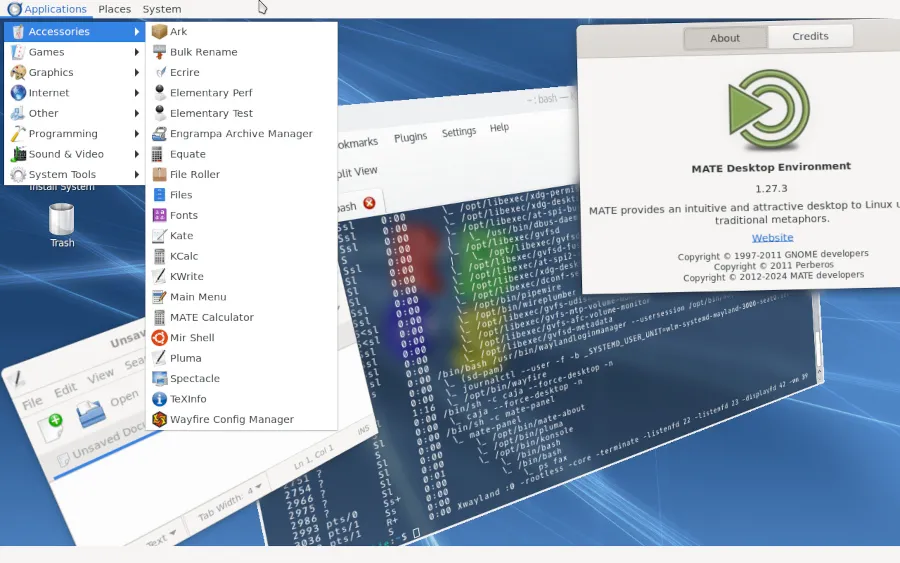
RebeccaBlack OS Makes a Surprise Return with Cutting-Edge Wayland Stack
In an unexpected move that’s sent ripples through the Linux community, the quirky and nostalgic RebeccaBlack OS has released a new version—nearly a decade after its last major update. Originally conceived as a Wayland showcase platform back when the display server protocol was still finding its footing, RBOS is back with a vengeance, packing the latest and greatest in open-source graphics technology.
A Blast from the Past, Reborn for the Future
For those who might not remember, RebeccaBlack OS (or RBOS for short) first emerged over a decade ago as a live Linux distribution designed to make experimenting with Wayland as easy as possible. At a time when most desktop environments were still shackled to the aging X.Org Server, RBOS offered a playground for enthusiasts to test the bleeding-edge Wayland compositors, toolkits, and desktop environments—warts and all.
The distribution earned a reputation for being both a valuable testing ground and a crash course in Wayland’s growing pains. Users could boot into a live environment and instantly try out Weston, GNOME Shell, KDE Plasma, Sway, Wayfire, and more—all with Wayland support enabled. It was the perfect tool for developers, testers, and the terminally curious.
The Comeback: RBOS 2026-02-22
The new release, dubbed RBOS 2026-02-22, arrives at an interesting crossroads. While Wayland has matured significantly and is now the default on most major Linux distributions, RBOS’s return signals that there’s still a hunger for a dedicated, up-to-the-minute Wayland testbed.
This latest iteration is built on Debian Trixie, ensuring a stable and well-supported base. But where RBOS truly shines is in its software stack:
- Linux 6.19 Kernel: The newest stable kernel, bringing the latest drivers and hardware support.
- Qt 6.10: The most recent iteration of the popular toolkit, with Wayland support baked in.
- A Plethora of Compositors and Desktops: From the minimalist Weston to the full-featured GNOME Shell and KDE Plasma, plus tiling options like Sway and eye-candy compositors like Wayfire.
- Toolkit Variety: Multiple GUI toolkits with Wayland backends, perfect for developers wanting to test cross-toolkit compatibility.
Under the Hood: Technical Refinements
Beyond the headline features, the RBOS team has made a number of under-the-hood improvements:
- VT-less Kernel Build Support: For environments where virtual terminals aren’t available or desired.
- Enhanced Login Manager: Smoother and more reliable session management.
- DRM Panic QR Code Support: A novel feature that generates QR codes on kernel panics, making it easier to share diagnostic information.
- Console Tweaks: Various improvements to the boot and runtime console experience.
Why RBOS Still Matters
With Wayland now mainstream, some might wonder why RBOS is still relevant. The answer lies in its role as a living laboratory. As new Wayland features, protocols, and compositors emerge, RBOS can quickly integrate them, offering a glimpse into the future of Linux graphics. It’s also invaluable for developers who want to ensure their applications work seamlessly across a wide array of Wayland environments without the overhead of maintaining multiple full-blown distributions.
Moreover, RBOS’s live environment means there’s no need to install anything—just boot from a USB stick and start experimenting. This low-friction approach lowers the barrier for newcomers and makes it easy for seasoned users to keep their finger on the pulse of Wayland development.
Get Your Hands on RBOS 2026-02-22
The new ISO images are available now for download from SourceForge. Whether you’re a developer, a distro-hopper, or just someone who loves to tinker with the latest tech, RBOS offers a unique and powerful way to explore the cutting edge of Linux graphics.
As Wayland continues to evolve, RebeccaBlack OS stands ready to showcase its potential—proving that sometimes, the best way to predict the future is to build it yourself.
Tags & Viral Phrases:
Wayland, Linux, RebeccaBlack OS, RBOS, open source, display server, compositor, desktop environment, Qt 6.10, Linux 6.19, Debian Trixie, Weston, GNOME Shell, KDE Plasma, Sway, Wayfire, LXQt, live Linux, VT-less kernel, DRM Panic QR code, cutting-edge, bleeding edge, Linux graphics, X.Org Server, GUI toolkit, session management, console tweaks, SourceForge, developer tools, testbed, future of Linux, graphics technology, open-source graphics, Wayland protocols, cross-toolkit compatibility, USB stick, distro-hopping, Linux community, nostalgia, quirky Linux, Wayland showcase, experimental Linux, Linux innovation, tech nostalgia, Wayland maturity, Linux desktop, compositor playground, Wayland bugs, limitations, Wayland evolution, Wayland future, Wayland development, Wayland experimentation, Wayland enthusiasts, Wayland compositors, Wayland toolkits, Wayland desktops, Wayland environments, Wayland support, Wayland backend, Wayland integration, Wayland features, Wayland protocols, Wayland compatibility, Wayland testing, Wayland live environment, Wayland low-friction, Wayland newcomers, Wayland seasoned users, Wayland pulse, Wayland potential, Wayland building, Wayland prediction, Wayland building future.
,


Leave a Reply
Want to join the discussion?Feel free to contribute!