
Report: China approves import of high-end Nvidia AI chips after weeks of uncertainty
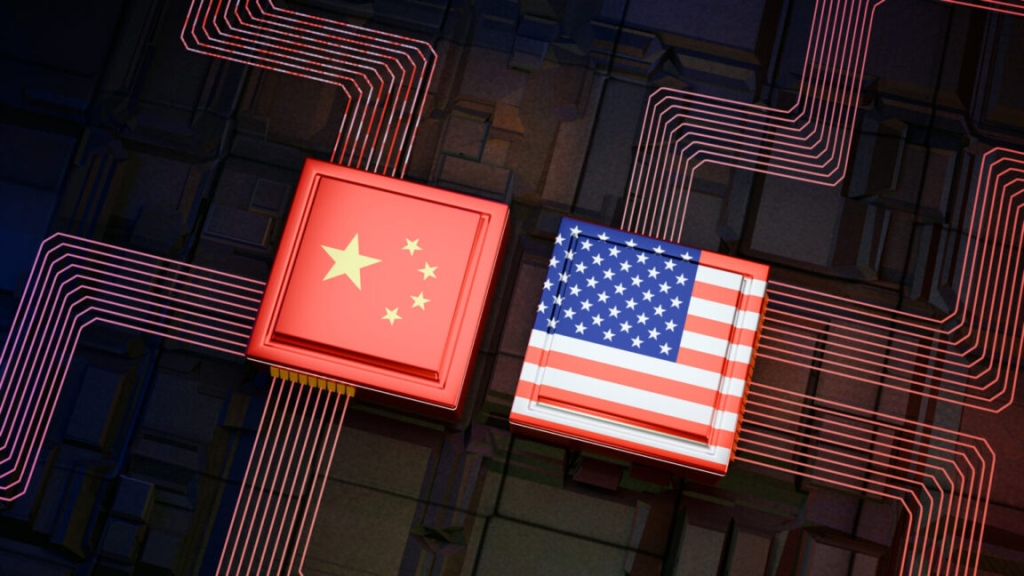
Nvidia’s H200 AI Chips Get Green Light in China: A Strategic Win Amid Tech Tensions
In a move that underscores the intricate balance between global tech competition and strategic economic priorities, Nvidia has secured Chinese regulatory approval for its H200 artificial intelligence (AI) GPUs. The decision, which comes amid ongoing US-China trade tensions and export controls, signals Beijing’s recognition of the critical role advanced semiconductors play in powering the next generation of AI-driven innovation.
The approval was granted during Nvidia CEO Jensen Huang’s high-profile visit to China this week, according to sources who spoke with Reuters on the condition of anonymity. While the green light is a significant win for Nvidia, it also highlights the complex geopolitical chess game playing out in the global semiconductor industry. China, a massive market for Nvidia’s AI hardware, has been navigating a tightrope between supporting its domestic tech giants and fostering its own semiconductor capabilities.
The H200, an upgraded version of Nvidia’s H100 GPU, is designed to accelerate AI workloads, making it a coveted asset for companies building large-scale data centers and AI services. With US rivals like OpenAI pushing the boundaries of AI development, Chinese tech giants have been investing billions to stay competitive. The approval of the H200 is expected to benefit major players in China’s tech ecosystem, though the terms of the licenses remain a point of contention.
According to sources, Beijing is attaching conditions to the approvals that have yet to be finalized. One insider told Reuters that the license terms were overly restrictive, and buyers had not yet converted their approvals into actual orders. This hesitation reflects the cautious approach companies are taking in a landscape marked by uncertainty and shifting regulations.
Beijing’s Balancing Act
The approval of the H200 is more than just a business transaction; it’s a strategic move by Beijing to prioritize its largest Internet companies while also nurturing its domestic semiconductor industry. The South China Morning Post reported that regulators are keen to support China’s tech giants, who are pouring resources into building the data centers necessary for AI development. At the same time, authorities are working to bolster the country’s indigenous semiconductor capabilities, reducing reliance on foreign technology.
The first batch of H200 chips is expected to go to Big Tech companies in urgent need of the GPU, according to a source who spoke with the South China Morning Post. However, access for state-backed firms, including telecom operators, is expected to remain tightly restricted. This selective approach underscores Beijing’s focus on empowering its most competitive and innovative companies while maintaining control over strategic sectors.
Beijing’s stance on foreign chips has been clear in the past. Earlier Reuters reporting revealed that authorities had discouraged domestic technology companies from purchasing foreign semiconductors unless absolutely necessary. One proposal under discussion would require each H200 purchase to be bundled with a set ratio of domestic chips, a move aimed at boosting local semiconductor production.
“Beijing’s approval of the H200 is driven by purely strategic motives,” Alex Capri, a senior lecturer at the National University of Singapore’s business school, told the South China Morning Post. “Ultimately, this decision is taken to further China’s indigenous capabilities and, by extension, the competitive capabilities of China tech.”
The Bigger Picture
The approval of the H200 is a microcosm of the broader dynamics shaping the global tech industry. As the US and China vie for dominance in AI and semiconductor technology, companies like Nvidia find themselves at the intersection of innovation and geopolitics. For Nvidia, the Chinese market represents a significant revenue stream, but navigating the regulatory landscape requires a delicate balance of compliance and competition.
The H200 approval also highlights the growing importance of AI in driving economic and technological progress. As companies race to develop cutting-edge AI services, the demand for advanced GPUs like the H200 is only expected to increase. For China, ensuring access to these tools is critical to maintaining its competitive edge in the global tech arena.
However, the restrictions and conditions attached to the approvals suggest that Beijing is not willing to cede ground entirely to foreign players. By coupling the H200 with requirements for domestic chip purchases, authorities are sending a clear message: while foreign technology is welcome, the ultimate goal is to build a self-reliant semiconductor industry.
Looking Ahead
As Chinese tech giants await further approvals and navigate the terms of their licenses, the semiconductor industry will be watching closely. The H200 approval is a significant development, but it is just one piece of a much larger puzzle. With the US tightening export controls on advanced chips and China doubling down on its push for semiconductor self-sufficiency, the stakes have never been higher.
For Nvidia, the approval is a testament to its ability to adapt and thrive in a challenging environment. For China, it is a strategic win that underscores the country’s commitment to AI and technological innovation. And for the global tech industry, it is a reminder that the race for AI supremacy is as much about geopolitics as it is about technology.
As the dust settles on this latest development, one thing is clear: the battle for control over the future of AI and semiconductors is far from over. With companies, governments, and regulators all vying for an edge, the coming months and years promise to be a defining period for the tech industry—and for the world.
Tags & Viral Phrases:
- Nvidia H200 AI chips approved in China
- Jensen Huang visit to China
- US-China tech tensions
- AI GPU market dynamics
- Beijing’s strategic motives
- China’s semiconductor industry
- Export controls and regulations
- Big Tech data centers
- Indigenous tech capabilities
- Geopolitical chess game
- Advanced AI workloads
- Semiconductor self-sufficiency
- Global tech competition
- AI-driven innovation
- Nvidia’s market strategy
- Tech industry balancing act
,


Leave a Reply
Want to join the discussion?Feel free to contribute!