
Repurposed Drug Improves Sleep Apnea by Up to 50% in Clinical Trial : ScienceAlert
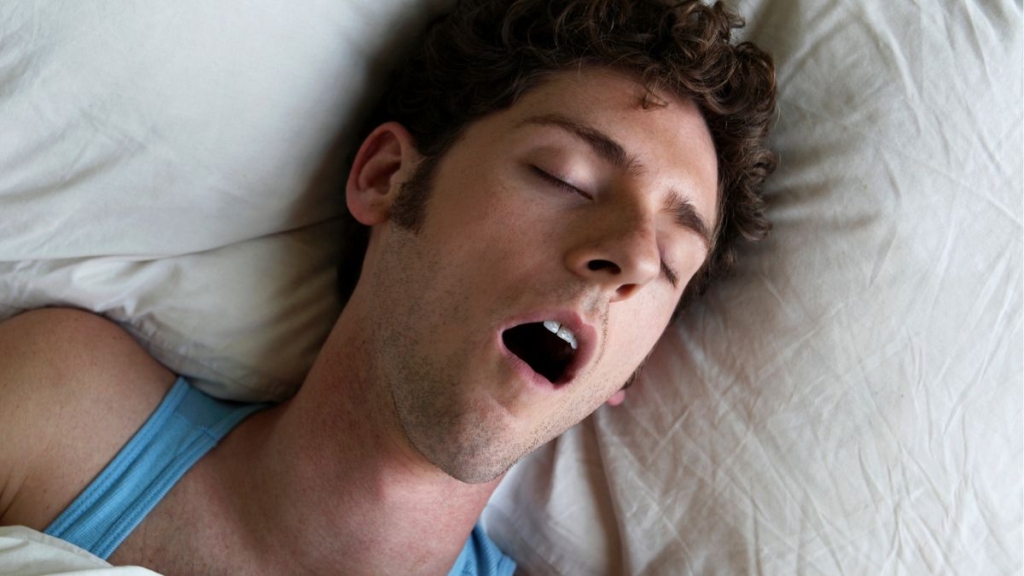
A Breakthrough in Sleep Apnea Treatment: The Promise of a New Drug
For millions of people worldwide, sleep apnea is more than just a nuisance—it’s a serious health condition that can lead to a host of complications, from cognitive decline to cardiovascular disease. The gold standard treatment, the CPAP (Continuous Positive Airway Pressure) machine, is effective but often uncomfortable, leading many patients to abandon it altogether. Now, a new drug trial offers hope for a more comfortable, accessible, and potentially game-changing alternative.
The Science Behind the Breakthrough
In a landmark clinical trial that concluded in 2023, researchers tested an epilepsy drug called sulthiame on patients with moderate to severe obstructive sleep apnea. The results were nothing short of remarkable: participants who took the highest daily dose of sulthiame experienced nearly 50% fewer breathing interruptions during sleep. This is a significant leap forward, as it demonstrates that sleep apnea can be influenced pharmacologically—a concept that has long been theorized but never proven until now.
Jan Hedner, a leading expert in pulmonary medicine at the University of Gothenburg in Sweden, described the findings as a “breakthrough.” “We have been working on this treatment strategy for a long time, and the results show that sleep apnea can indeed be influenced pharmacologically,” Hedner said. “It feels like a breakthrough, and we now look forward to larger and longer studies to determine whether the effect is sustained over time and whether the treatment is safe for broader patient groups.”
How Does Sulthiame Work?
Sleep apnea occurs when the upper airways collapse during sleep, leading to obstructed breathing patterns that deprive the body of oxygen and disrupt rest. CPAP machines work by keeping the airway open, but sulthiame takes a different approach. The drug improves upper airway muscle tone and stabilizes respiratory control, addressing the root causes of sleep apnea rather than just its symptoms.
The trial, which involved 240 participants from five European countries, tested three different doses of sulthiame (100 mg, 200 mg, and 300 mg) against a placebo. All doses showed improvements in breathing disturbances, overnight oxygenation, and daytime sleepiness. However, the two highest doses (200 mg and 300 mg) were the most effective, reducing sleep apnea severity by 30 to 50 percent. Importantly, the 200 mg dose emerged as the optimal choice, balancing efficacy with minimal side effects.
Why This Matters
Sleep apnea is a growing global health concern, with millions of people affected and the risk of developing the condition expected to rise by nearly 50% in the coming years. The condition is linked to a range of serious health issues, including cognitive problems, cardiovascular disease, and insulin resistance. Current treatments, while effective for some, are often impractical or uncomfortable. For example, mouth taping—a popular DIY remedy—can actually worsen sleep apnea, and even specialized mouth guards can alter a person’s bite.
The potential of sulthiame lies in its ability to offer a more direct, pharmacological solution. If larger, long-term studies confirm its safety and efficacy, this drug could revolutionize the treatment of sleep apnea, making it more accessible, affordable, and comfortable for patients worldwide.
Looking Ahead
While the results are promising, the journey is far from over. The next steps involve larger and longer studies to confirm the drug’s sustained effectiveness and safety for broader patient groups. If successful, sulthiame could join the ranks of other innovative treatments, such as electrical pulses on the tongue or even blowing a conch shell, which have shown promise in recent studies.
For now, the findings, published in The Lancet, represent a significant milestone in the fight against sleep apnea. As Hedner and his colleagues conclude, “These findings introduce a new individualized pharmacotherapy in patients with sleep disordered breathing.”
The future of sleep apnea treatment is looking brighter—and more comfortable—than ever.
Tags: sleep apnea, sulthiame, clinical trial, breakthrough, CPAP alternative, obstructive sleep apnea, Jan Hedner, University of Gothenburg, pharmacological treatment, breathing interruptions, overnight oxygenation, daytime sleepiness, cardiovascular disease, cognitive decline, insulin resistance, global health, accessible treatment, innovative medicine.
Viral Phrases: “A breakthrough in sleep apnea treatment,” “Nearly 50% fewer breathing interruptions,” “Sleep apnea can be influenced pharmacologically,” “A more comfortable alternative to CPAP,” “Revolutionizing sleep apnea treatment,” “The future of sleep apnea is here,” “A game-changer for millions,” “Pharmacological solution to a growing health crisis,” “Sultiamine: The drug that could change everything,” “Hope for a better night’s sleep.”
,


Leave a Reply
Want to join the discussion?Feel free to contribute!