
Reviving the ‘Mosquito Fleet’: Washington eyes passenger ferries to scale maritime transit and tech
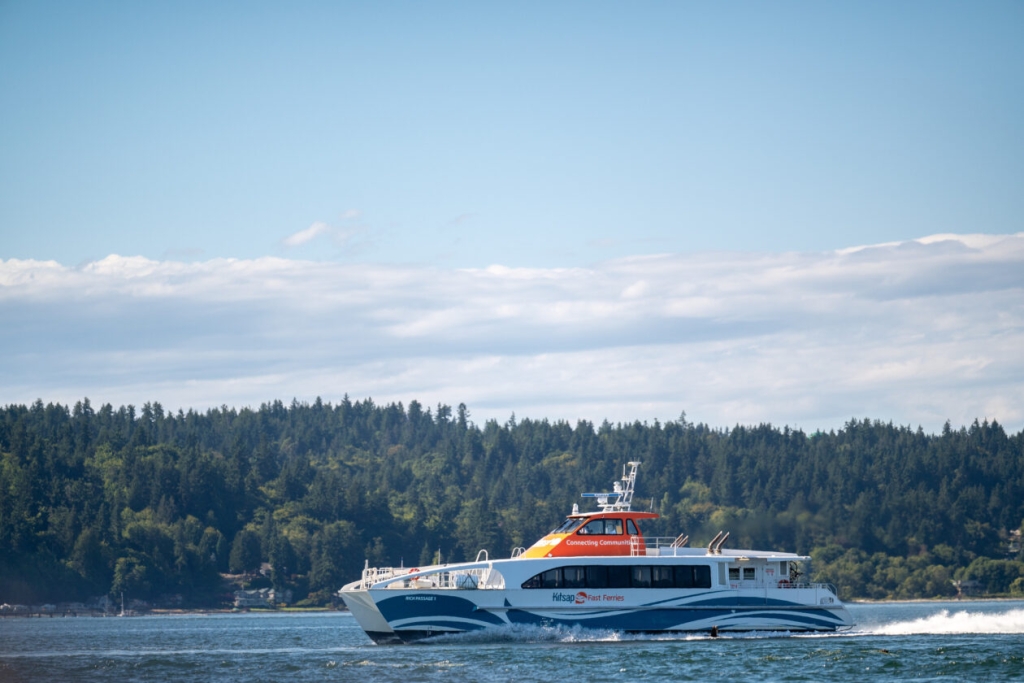
Washington’s Ferry System Gets a High-Speed Upgrade: The Mosquito Fleet Act Could Revolutionize Puget Sound Travel
In a bold move to revitalize Washington’s struggling maritime transportation network, state legislators have introduced House Bill 1923, affectionately dubbed the “Mosquito Fleet Act”—a nod to the historic fleet of steamships that once dominated Puget Sound in the early 20th century. This groundbreaking legislation aims to breathe new life into the region’s ferry system by introducing fast, affordable passenger-only ferries that could transform how residents and visitors navigate the iconic waterways of the Pacific Northwest.
A Commute in Crisis
For Greg Nance, the ferry system isn’t just a mode of transportation—it’s a lifeline. His father, a public defender, relied on the Bainbridge Island-to-Seattle ferry for over three decades to provide for his family and send three children to college. But as Nance, now a Democratic state representative from Kitsap, explains, that story is becoming increasingly rare.
“That’s how he put food on the table. That’s how he was able to send three kids to college,” Nance said. “With all of the delays and cancellations we’re now seeing, that story is not possible anymore.”
Washington’s ferry service has become a national embarrassment in recent years. Aging vessels break down with alarming frequency, crew shortages lead to canceled sailings, and commuters are left stranded. The Washington State Department of Transportation’s plan to replace the aging fleet with hybrid-electric vessels has been plagued by massive funding gaps and bureaucratic delays, leaving residents desperate for alternatives.
The Mosquito Fleet Act: A Modern Solution to an Ancient Problem
Enter House Bill 1923, a legislative masterstroke that could revolutionize maritime travel in the Pacific Northwest. The bill does two critical things:
-
Expands Authority: It allows port districts, city and county transit systems, and even unincorporated areas to create passenger ferry districts and routes throughout Puget Sound and along the Washington coast.
-
Creates Funding Mechanisms: The legislation enables new ferry systems to levy a sales tax of up to 0.3%, implement commercial parking taxes, and collect passenger tolls and advertising fees.
The name “Mosquito Fleet” pays homage to the network of small, fast steamships that operated in Washington waters from the late 1800s through the early 1900s. These nimble vessels connected isolated communities, carried goods and passengers, and played a crucial role in the region’s economic development. Now, over a century later, lawmakers hope to recreate that spirit of innovation and connectivity.
Economic and Environmental Benefits
Supporters of the bill argue that passenger-only ferries offer multiple benefits beyond just solving the commute crisis:
- Faster Commutes: High-speed ferries can cut travel times dramatically, making it easier for workers to access jobs across the Sound.
- Medical Access: Residents in remote areas could reach medical facilities more easily.
- Tourism Boost: Easier access to harder-to-reach destinations could revitalize local economies.
- Maritime Industry Growth: The bill could inject new energy into Washington’s storied shipbuilding and maritime maintenance industries.
Nance sees the legislation as more than just a transportation fix—it’s a strategic move to position Washington as a global leader in maritime manufacturing. “For 15 years, policymakers across the country, we’ve been asleep at the wheel,” he said. “China builds about 100 ships for every one American ship. That’s completely unsustainable in this environment. We need to get our edge back.”
Environmental Considerations and Industry Support
The bill has garnered support from key stakeholders in the maritime industry. Washington Maritime Blue, a nonprofit supporting sustainable maritime development, has expressed strong backing for the economic and quality-of-life benefits the bill could bring.
However, the organization is pushing for stronger environmental safeguards, particularly for the region’s endangered orcas. The Quiet Sound program, which Washington Maritime Blue oversees, is advocating for low- or zero-emission vessels to protect marine life from noise disturbance. The group argues that this shift would “further position Washington as a global leader in clean maritime innovation.”
Promising New Routes on the Horizon
If passed, the Mosquito Fleet Act could open up dozens of new ferry routes across Puget Sound and beyond. Some of the most promising potential routes include:
- San Juan Islands to Sidney, B.C.
- San Juan inter-island service to Bellingham
- Port of Everett to South Whidbey
- Olympia to Sea-Tac via Des Moines
County leaders have already proposed an ambitious electric ferry service between Seattle and Tacoma, with plans for a pilot project this summer to coincide with the 2026 FIFA World Cup. While the timeline appears tight, supporters believe the infrastructure and expertise exist to make it happen quickly.
“You can build one of those boats in 18 months in a Puget Sound yard,” said Peter Philips, a longtime Seattle-area maritime advocate. “All the expertise is here.”
The Road Ahead
The revised version of HB 1923 cleared the House last week with significant bipartisan support and has a Senate committee hearing scheduled for Friday. However, time is running out—the legislative session ends March 12, putting immense pressure on lawmakers to act quickly.
As Washington grapples with aging infrastructure, environmental challenges, and economic pressures, the Mosquito Fleet Act represents a bold vision for the future. By combining historical inspiration with modern technology and environmental consciousness, the bill could transform Puget Sound into a model of sustainable, efficient maritime transportation.
Whether it’s helping a single parent make it to work on time, connecting rural communities to urban centers, or protecting the region’s precious marine ecosystems, the potential impact of this legislation is profound and far-reaching. As the bill moves through the Senate, all eyes are on Olympia to see if Washington can once again become a leader in maritime innovation—just as it was over a century ago when the original Mosquito Fleet ruled the waves.
Tags & Viral Phrases:
- 🚤 Fast Ferries Revolution
- 🌊 Puget Sound Transportation Overhaul
- ⚡ Mosquito Fleet 2.0
- 🏗️ Washington Maritime Manufacturing Hub
- 🐋 Orca Protection & Clean Ferries
- 🌍 Global Maritime Innovation Leader
- ⏱️ 18-Month Ferry Build Time
- ⚽ World Cup 2026 Ferry Service
- 🤝 Bipartisan Support for HB 1923
- 📈 Economic Boost for Remote Communities
- 🌱 Sustainable Maritime Future
- 🚨 Commute Crisis Solved?
- 🛳️ Passenger-Only Ferry Districts
- 💰 New Funding Mechanisms
- 🏛️ Legislative Session Deadline Pressure
- 🌟 Bold Vision for Puget Sound
- 🚨 Aging Fleet Emergency
- 🌐 Washington State Global Leadership
- 🚤 High-Speed Maritime Revolution
- ⚡ Fast-Tracked Ferry Implementation
- 🌊 Inland Sea Transportation Renaissance
,


Leave a Reply
Want to join the discussion?Feel free to contribute!