
Ring cancels Flock partnership amid broader surveillance concerns
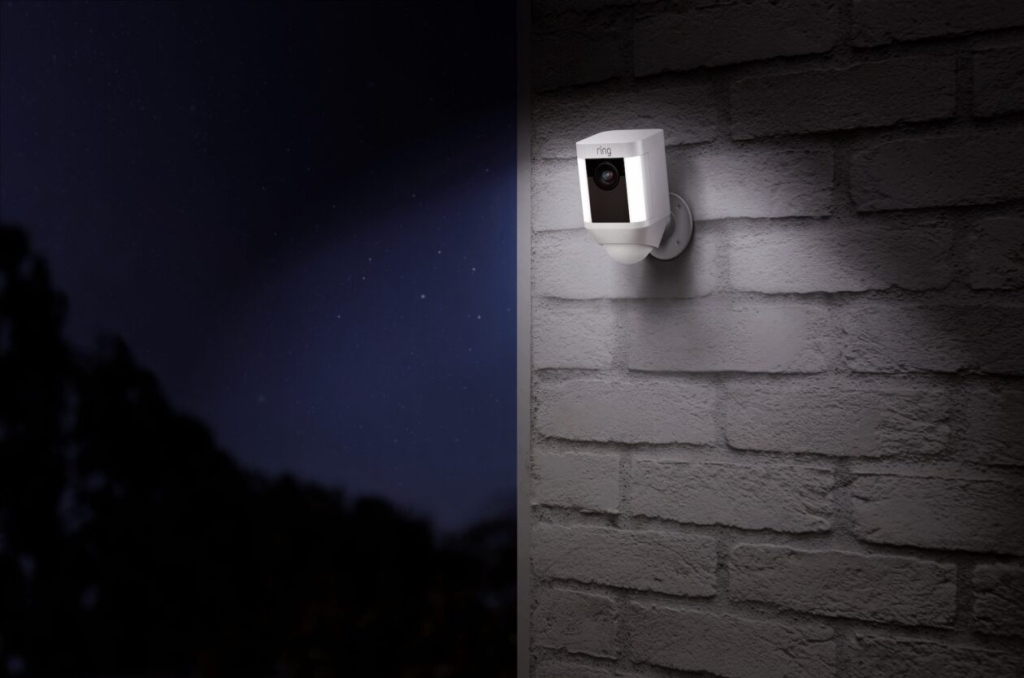
Ring Cancels Planned Partnership with Flock Safety Amid Privacy Concerns and Backlash Over AI Features
In a surprising turn of events, Amazon-owned Ring has officially canceled its planned partnership with Flock Safety, a company known for its license plate recognition technology, just months after the collaboration was first announced. The decision comes amid mounting scrutiny over the potential misuse of home security cameras for neighborhood surveillance and broader concerns about privacy in the digital age.
A Partnership Built on Shared Goals, Now Abandoned
The partnership between Ring and Flock Safety was first unveiled in October, with both companies touting the initiative as a way to help neighborhoods work together for safer communities. The integration would have allowed local law enforcement agencies using Flock’s platforms to post requests for footage directly within Ring’s Neighbors app during active investigations. Ring users could then choose to voluntarily share video or ignore the request.
However, in a statement released Thursday afternoon, Ring announced that the companies had made a “joint decision to cancel the planned integration.” The company cited that the integration “would require significantly more time and resources than anticipated.” Importantly, Ring emphasized that the integration never launched, and no customer videos were shared as a result of the partnership.
Backlash Over AI-Powered Features Adds Fuel to the Fire
The timing of this cancellation is particularly noteworthy, as it comes just days after Ring’s Super Bowl ad for its AI-powered Search Party feature sparked a wave of criticism. The feature, designed to help users find lost dogs, was met with unease by some who feared it could be used as a tool for surveillance. Despite Ring’s assurances that the feature gives camera owners full control over whether to share footage, the backlash was swift and vocal.
While the Flock partnership was not directly related to the Search Party feature, it was referenced in media coverage as part of Ring’s broader collaborations with law enforcement. This has only intensified the debate over the balance between public safety and individual privacy.
Civil Liberties Concerns and Federal Agency Access
Flock Safety’s technology is already used by thousands of police departments across the United States. However, civil liberties groups, including the American Civil Liberties Union (ACLU), have raised concerns about the potential for footage to be accessed by federal agencies, such as Immigration and Customs Enforcement (ICE). Ring has repeatedly stated that it has no partnership with ICE and does not share video with the agency.
The cancellation of the Flock partnership may be seen as a response to these concerns, as well as a broader effort by Ring to address growing skepticism about its role in law enforcement and surveillance.
Community Requests Feature Remains Intact
Despite the cancellation of the Flock partnership, Ring’s Community Requests feature remains in place. This feature allows local law enforcement to request footage from nearby Ring users during active investigations. Participation is voluntary, giving users the choice to share footage or ignore the request.
Ring founder Jamie Siminoff defended the feature in a recent interview with CBS News, emphasizing that it allows police to ask for footage from Ring customers in a “privacy-protected way.” He also highlighted that the system has already aided investigations, including a shooting near Brown University in December.
A Broader Conversation About Privacy and Technology
The cancellation of the Flock partnership is just the latest chapter in an ongoing debate about the role of technology in our lives. As home security cameras become increasingly ubiquitous, questions about how the data they collect is used—and who has access to it—are more pressing than ever.
This debate was further fueled by the recent Nancy Guthrie disappearance case, where investigators recovered video from a Nest doorbell camera that had no active subscription, with Google’s help. Siminoff noted that Ring’s system is designed so that video data doesn’t exist for users without a subscription, distinguishing Ring’s approach from what happened in the Guthrie case.
Looking Ahead: Privacy-First Innovation
In his CBS News appearance, Siminoff also took the opportunity to defend Ring’s Search Party feature, describing it as being built “privacy first.” He likened the feature to finding a lost dog in your backyard and calling the number on its collar—a simple, community-driven solution to a common problem.
Siminoff also hinted at future developments, revealing that cats are next on the list for the Search Party feature. This playful nod to the feature’s potential underscores Ring’s commitment to innovation, even as it navigates the complex landscape of privacy and public safety.
Conclusion: A Delicate Balance
The cancellation of Ring’s partnership with Flock Safety is a reminder of the delicate balance between innovation, privacy, and public safety. As technology continues to evolve, companies like Ring will need to tread carefully, ensuring that their products and partnerships align with the values and concerns of their users.
For now, Ring’s decision to cancel the Flock partnership may be seen as a step in the right direction—a recognition that the road to safer communities must be paved with transparency, trust, and respect for individual privacy.
Tags: Ring, Flock Safety, Amazon, privacy, surveillance, home security, AI, Search Party, license plate recognition, law enforcement, Neighbors app, civil liberties, ACLU, ICE, Nest, Google, Nancy Guthrie, Jamie Siminoff, community safety, technology, innovation, public safety, data privacy, digital age, Super Bowl ad, backlash, voluntary sharing, investigations, doorbell cameras, lost pets, cats, privacy-first, transparency, trust.
Viral Sentences:
- “Ring cancels Flock Safety partnership amid privacy concerns and backlash over AI features.”
- “Amazon-owned Ring backs out of collaboration with license plate recognition company.”
- “Ring’s Super Bowl ad for AI-powered Search Party feature sparks controversy.”
- “Civil liberties groups raise alarms over potential federal access to Ring footage.”
- “Ring founder Jamie Siminoff defends privacy-first approach to home security.”
- “Nancy Guthrie case highlights differences in data retention between Ring and Nest.”
- “Ring’s Community Requests feature remains a voluntary tool for law enforcement.”
- “Cats are next on Ring’s Search Party feature—innovation meets privacy.”
- “The delicate balance between public safety and individual privacy in the digital age.”
- “Ring’s decision to cancel Flock partnership seen as a step toward transparency.”
,


Leave a Reply
Want to join the discussion?Feel free to contribute!