
Roblox And Minecraft Players Don't Really Care About "Traditionally Good" AAA Games, Study Finds
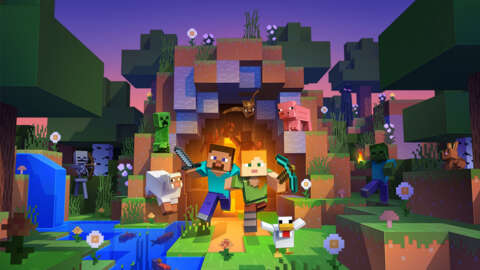
Roblox and Minecraft Players: The Surprising Truth About Their Gaming Habits
In a stunning revelation that’s shaking up the gaming industry, a comprehensive new report from data analytics firm NewZoo has uncovered a fascinating trend among players of the world’s most popular sandbox games. According to the company’s annual PC and Console Gaming Report 2026, fans of Roblox and Minecraft are significantly less likely to engage with traditional AAA blockbuster titles—and the reason behind this phenomenon is both surprising and illuminating.
The report, which surveyed thousands of gamers across multiple demographics, found that players who primarily enjoy Roblox and Minecraft show markedly different gaming preferences compared to the average gamer. While titles like Ghost of Yotei and Assassin’s Creed: Shadows dominate sales charts and critical acclaim, they’re notably absent from the libraries of many Roblox and Minecraft enthusiasts.
“I think there’s been a shift in the last 10 years where the idea of chasing graphics has kind of faded, and now you see the most popular games on the planet are not the most graphically high-fidelity games,” explained Ben Porter, NewZoo’s director of consulting, during a presentation at the Game Developers Conference. His comments, reported by gamesindustry.biz, highlight a fundamental change in how we define gaming success.
This revelation challenges the long-held industry assumption that photorealistic graphics and cutting-edge visual fidelity are the primary drivers of gaming popularity. Instead, it suggests that gameplay innovation, community engagement, and creative freedom might be equally—if not more—important factors in determining a game’s success.
Roblox, in particular, has emerged as the poster child for this new paradigm. The platform, which allows users to create and share their own games, has become a cultural phenomenon with over 70 million daily active users. Its blocky, simplistic aesthetic stands in stark contrast to the hyper-realistic visuals of modern AAA titles, yet it continues to dominate engagement metrics and revenue charts.
Minecraft, while predating this trend by several years, represents a similar case study. Since its release in 2011, the game has sold over 300 million copies, making it one of the best-selling video games of all time. Its pixelated graphics, which some might consider outdated, have become iconic and beloved by players of all ages.
The implications of this finding are profound for game developers and publishers. Traditional wisdom has long held that investing in cutting-edge graphics and visual effects is essential for commercial success. However, the success of Roblox and Minecraft suggests that this approach might be overlooking a significant portion of the gaming market—one that values creativity, accessibility, and community over visual spectacle.
Moreover, this trend reflects broader changes in how younger generations interact with digital media. Gen Z and Gen Alpha players, who make up the majority of Roblox and Minecraft’s user base, have grown up in a world where content creation and sharing are the norm. They’re more interested in games that allow them to express themselves and connect with friends than in passive entertainment experiences.
The report also sheds light on the economic implications of this shift. While AAA games often require massive budgets—sometimes exceeding $200 million in development and marketing costs—platforms like Roblox and Minecraft have demonstrated that more modest investments can yield enormous returns. This could potentially democratize game development, allowing smaller studios and independent creators to compete more effectively in the market.
Interestingly, the data suggests that Roblox and Minecraft players aren’t necessarily opposed to high-quality graphics; rather, they prioritize other aspects of the gaming experience. Many of these players enjoy the creative freedom and social interaction that these platforms provide, which traditional AAA games often struggle to match.
This doesn’t mean that AAA games are destined for obsolescence. Rather, it suggests that the gaming industry might need to evolve to accommodate different player preferences. Some developers are already experimenting with hybrid approaches, combining the accessibility and creativity of sandbox games with the production values of AAA titles.
The findings also raise questions about the future of gaming hardware. If the most popular games don’t require cutting-edge graphics capabilities, what does this mean for the continued advancement of gaming consoles and high-end PCs? Could we see a shift toward more accessible, affordable gaming hardware that prioritizes performance and connectivity over raw graphical power?
As the gaming landscape continues to evolve, one thing is clear: the definition of what makes a “good” game is changing. The success of Roblox and Minecraft proves that players are willing to embrace different styles of gaming experiences, challenging developers to think beyond traditional metrics of quality and success.
This paradigm shift represents both a challenge and an opportunity for the gaming industry. While it may disrupt established business models and development practices, it also opens up new possibilities for innovation and creativity. As we look to the future, it’s clear that the most successful games may not be those with the most impressive graphics, but rather those that best capture the imagination and creativity of their players.
Roblox #Minecraft #GamingTrends #NewZooReport #GameDevelopment #AAA Games #GamingIndustry #CreativeGaming #DigitalEntertainment #GamingCulture #VideoGames #GameDesign #PlayerPreferences #GamingStatistics #TechNews
Viral Tags & Phrases:
- Roblox vs AAA Games
- Minecraft Players Don’t Care About Graphics
- The End of Photorealistic Gaming?
- Why Simple Games Are Winning
- Gaming’s Great Graphics Debate
- The New Era of Gaming
- Creative Freedom Over Visual Fidelity
- How Roblox Changed Everything
- The $200 Million Question
- Gaming’s Demographic Shift
- Beyond the Graphics Arms Race
- What Players Really Want
- The Future of Game Development
- Accessibility Over Aesthetics
- Community-Driven Gaming Success
- The Indie Revolution Continues
- Gaming’s Generation Gap
- Why Realism Isn’t Everything
- The Rise of User-Generated Content
- Gaming’s New Normal
,

Leave a Reply
Want to join the discussion?Feel free to contribute!