
Roundtables: Why 2026 Is the Year for Sodium-Ion Batteries
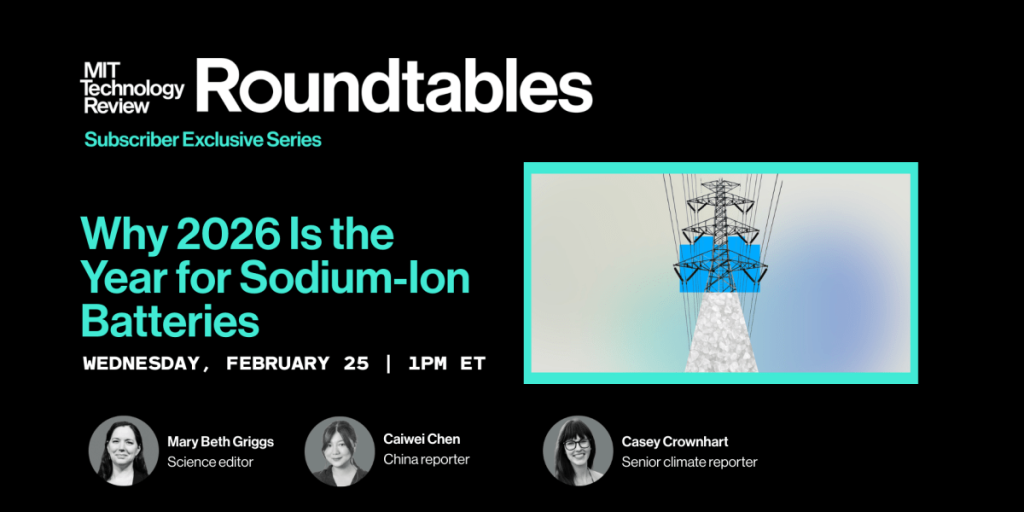
Sodium-Ion Batteries: The Next Big Leap in Energy Storage Is Here
In a world where the demand for energy storage is skyrocketing—from electric vehicles (EVs) to renewable energy grids—the race to find a safer, cheaper, and more sustainable alternative to lithium-ion batteries has reached a pivotal moment. Enter sodium-ion batteries, a technology that has been quietly simmering in research labs for years but is now poised to revolutionize the energy landscape. With the potential to disrupt industries, reduce costs, and address supply chain concerns, sodium-ion batteries are no longer just a promising concept—they’re becoming a reality.
Why Sodium-Ion Batteries Matter
Lithium-ion batteries have dominated the energy storage market for decades, powering everything from smartphones to electric cars. However, they come with significant drawbacks: high costs, limited global lithium supplies, and safety concerns such as overheating and fire risks. Sodium-ion batteries, on the other hand, offer a compelling alternative. Sodium is abundant, inexpensive, and safer to handle, making it an attractive option for large-scale energy storage and transportation.
The technology is finally breaking through, with automakers and energy companies integrating sodium-ion batteries into their products. For instance, Chinese automaker BYD has already unveiled vehicles powered by sodium-ion batteries, while energy storage companies are deploying them in grid-scale systems. This marks a significant milestone in the journey of sodium-ion technology from the lab to the real world.
The Science Behind Sodium-Ion Batteries
At their core, sodium-ion batteries operate on the same principles as lithium-ion batteries. They use sodium ions (Na+) to move between the anode and cathode during charging and discharging cycles. However, the materials and chemistry differ, offering unique advantages. Sodium is more abundant than lithium, which means lower raw material costs and reduced environmental impact. Additionally, sodium-ion batteries are less prone to thermal runaway, making them inherently safer.
One of the key challenges has been energy density. Lithium-ion batteries have a higher energy density, meaning they can store more energy in a smaller space. However, recent advancements in sodium-ion battery technology have significantly improved their performance, narrowing the gap with lithium-ion. Companies like CATL (Contemporary Amperex Technology Co. Limited) have developed sodium-ion batteries with energy densities that make them viable for EVs and grid storage.
The Road to Commercialization
The journey of sodium-ion batteries from concept to commercialization has been a long one. Researchers have been exploring sodium-based chemistry since the 1980s, but it wasn’t until recent breakthroughs in materials science and engineering that the technology became practical. The development of advanced cathode materials, such as Prussian blue analogs and layered oxides, has been a game-changer, enabling higher energy densities and longer lifespans.
Governments and industries are now investing heavily in sodium-ion technology. In China, where the government has prioritized energy independence and sustainability, sodium-ion batteries are seen as a strategic asset. Meanwhile, in the U.S. and Europe, companies are exploring partnerships and funding opportunities to accelerate development.
Applications and Impact
The potential applications of sodium-ion batteries are vast. In the automotive sector, they could make electric vehicles more affordable and accessible, particularly in emerging markets. For renewable energy, sodium-ion batteries could provide cost-effective storage solutions for solar and wind power, helping to stabilize grids and reduce reliance on fossil fuels.
Beyond transportation and energy storage, sodium-ion batteries could also play a role in consumer electronics, though their lower energy density may limit their use in high-performance devices like smartphones. However, for applications where cost and safety are prioritized over size and weight, sodium-ion batteries are an ideal solution.
Challenges and Future Outlook
Despite the progress, sodium-ion batteries still face challenges. While their energy density is improving, it remains lower than that of lithium-ion batteries, which could limit their use in long-range EVs. Additionally, the infrastructure for recycling and repurposing sodium-ion batteries is still in its infancy, raising questions about their long-term sustainability.
However, the momentum behind sodium-ion technology is undeniable. As research continues and production scales up, costs are expected to fall further, making sodium-ion batteries an increasingly attractive option. With the global push toward decarbonization and energy security, sodium-ion batteries could play a crucial role in shaping the future of energy.
Conclusion
Sodium-ion batteries represent a significant breakthrough in energy storage technology. With their potential to offer a cheaper, safer, and more sustainable alternative to lithium-ion batteries, they are poised to transform industries and accelerate the transition to a cleaner energy future. As automakers, energy companies, and governments embrace this technology, the question is no longer whether sodium-ion batteries will succeed—but how quickly they will reshape the world.
Tags: Sodium-ion batteries, energy storage, lithium-ion alternatives, electric vehicles, renewable energy, grid storage, BYD, CATL, sustainable technology, energy density, sodium-based chemistry, decarbonization, energy independence, battery technology, clean energy, emerging markets, battery safety, energy transition, renewable energy storage, battery innovation
Viral Phrases:
- “The future of energy is sodium-powered.”
- “Sodium-ion batteries: cheaper, safer, and ready to disrupt.”
- “Why sodium could be the new lithium.”
- “The battery breakthrough that could change everything.”
- “From lab to road: sodium-ion batteries are here.”
- “Energy storage just got a whole lot smarter.”
- “The end of lithium’s monopoly?”
- “Sodium-ion batteries: the unsung heroes of the energy transition.”
- “Affordable, abundant, and revolutionary.”
- “The battery technology that’s too big to ignore.”
,


Leave a Reply
Want to join the discussion?Feel free to contribute!