
Russia attempted to ‘fully block’ WhatsApp, Meta-owned company says | Russia
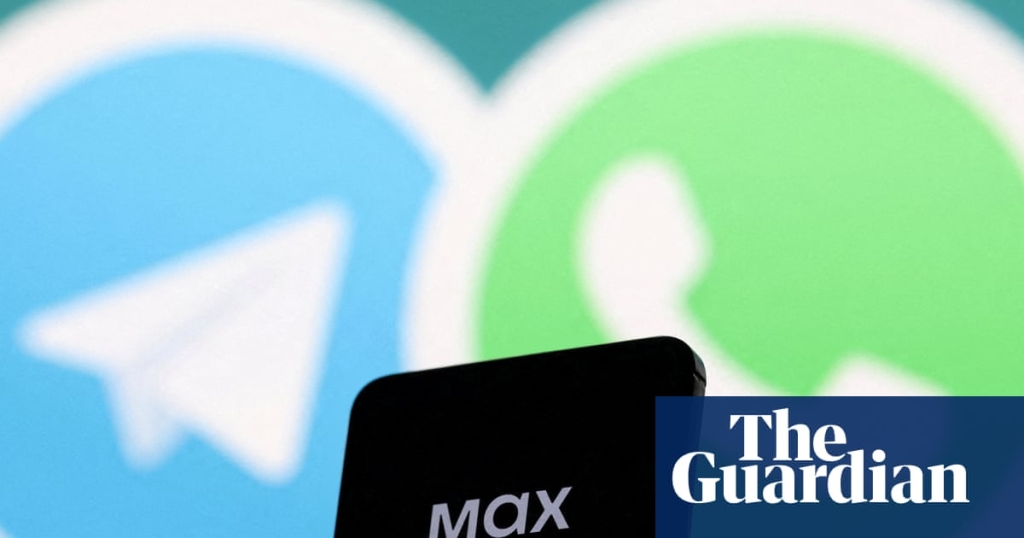
Russia’s Digital Iron Curtain: How Moscow’s Push for a “Sovereign Internet” Targets WhatsApp and Sparks Global Tech Tensions
In a bold and controversial move that has sent shockwaves through the global tech community, Russia has launched a sweeping attempt to “fully block” WhatsApp, the world’s most popular messaging app, in a calculated effort to force millions of Russian users onto its own state-controlled platform, Max. This aggressive maneuver, confirmed by a spokesperson for Meta, WhatsApp’s parent company, marks a dramatic escalation in Moscow’s long-standing campaign to create a “sovereign internet” — a digital ecosystem entirely insulated from Western influence and under the Kremlin’s iron grip.
The stakes could not be higher. With over 100 million users in Russia, WhatsApp is not just a communication tool; it is a lifeline for millions, offering end-to-end encryption that ensures private and secure conversations. By attempting to sever this connection, the Kremlin is not only undermining digital freedoms but also exposing its citizens to heightened surveillance and control. As the WhatsApp spokesperson told The Guardian, “Trying to isolate over 100 million users from private and secure communication is a backwards step and can only lead to less safety for people in Russia. We continue to do everything we can to keep users connected.”
This latest crackdown is part of a broader pattern of repression targeting social media platforms. Telegram, another widely used messaging app with over 60 million daily users in Russia, has recently come under intense scrutiny. The Kremlin’s actions have sparked rare and unprecedented criticism from frontline Russian troops, pro-war bloggers, and exiled opposition figures, highlighting the deep fissures within Russian society over the government’s digital policies. Telegram’s Russian-born billionaire founder, Pavel Durov, based in Dubai, has been vocal in his opposition, declaring, “Restricting citizens’ freedom is never the right answer. Telegram stands for freedom of speech and privacy, no matter the pressure.”
The state-sponsored app Max, which is modeled after China’s ubiquitous WeChat, is at the center of Russia’s digital strategy. With approximately 55 million users, Max is being aggressively promoted as a replacement for Western apps. In August last year, Russia mandated that Max be pre-installed on all new smartphones, a move critics argue is designed to facilitate mass surveillance. While state media has dismissed these concerns as unfounded, the parallels with China’s digital authoritarianism are hard to ignore.
The implications of Russia’s actions extend far beyond its borders. By targeting WhatsApp, Facebook, and Instagram — all owned by Meta — and removing them from Roskomnadzor’s online directory, the Kremlin is sending a clear message: compliance with Russian law is non-negotiable, and defiance will be met with severe consequences. This hardline stance was echoed by Kremlin spokesperson Dmitry Peskov, who stated, “If the Meta corporation fulfils this and enters into dialogue with Russian authorities, then we have the possibility of reaching an agreement. If the corporation sticks to an uncompromising position and, I would say, shows itself unready to align with Russian legislation, then there is no chance.”
The timing of these moves is particularly significant. They come amid heightened geopolitical tensions and Russia’s ongoing efforts to insulate itself from Western sanctions and influence. By creating a digital fortress, the Kremlin aims to control the flow of information, stifle dissent, and consolidate its power. However, this strategy is not without risks. The blocking of Snapchat and restrictions on FaceTime in December last year have already demonstrated the potential for backlash, both domestically and internationally.
As the world watches, the battle for digital sovereignty is intensifying. For WhatsApp and other Western tech giants, the challenge is clear: navigate the complex and often hostile Russian regulatory landscape or risk being shut out entirely. For Russian users, the stakes are even higher. The loss of access to secure and private communication tools could have profound implications for personal freedom, privacy, and safety.
The Guardian has reached out to the Kremlin for additional comment, but the message from Moscow is unmistakable: in the quest for a “sovereign internet,” no platform is safe, and no user is beyond the reach of state control. As this digital cold war unfolds, one thing is certain — the future of the internet, and the freedoms it enables, hangs in the balance.
Tags: Russia, WhatsApp, Max, WeChat, Kremlin, sovereign internet, Meta, Telegram, Pavel Durov, Roskomnadzor, Dmitry Peskov, digital sovereignty, surveillance, encryption, social media crackdown, geopolitical tensions, Western tech, censorship, privacy, freedom of speech.
Viral Phrases:
- “Russia’s Digital Iron Curtain”
- “100 million users at risk”
- “State-controlled Max app”
- “Kremlin’s push for a ‘sovereign internet'”
- “End-to-end encryption under threat”
- “Telegram’s billionaire founder speaks out”
- “China’s WeChat model in Russia”
- “Meta vs. Moscow: The battle for digital freedom”
- “Snapchat and FaceTime blocked”
- “The future of the internet hangs in the balance”
,

Leave a Reply
Want to join the discussion?Feel free to contribute!