
Ruxolitinib: Landmark vitiligo cream targets immune cells that disrupt pigmentation
Revolutionary Vitiligo Cream Set to Transform Lives on the NHS
In a groundbreaking development for dermatology and autoimmune skin conditions, a revolutionary cream called ruxolitinib—marketed as Opzelura—is poised to become the first NHS-approved treatment that directly targets the underlying cause of vitiligo. This milestone represents not just a medical breakthrough, but a profound shift in how we approach autoimmune skin conditions that have long been dismissed as merely cosmetic concerns.
The Science Behind the Breakthrough
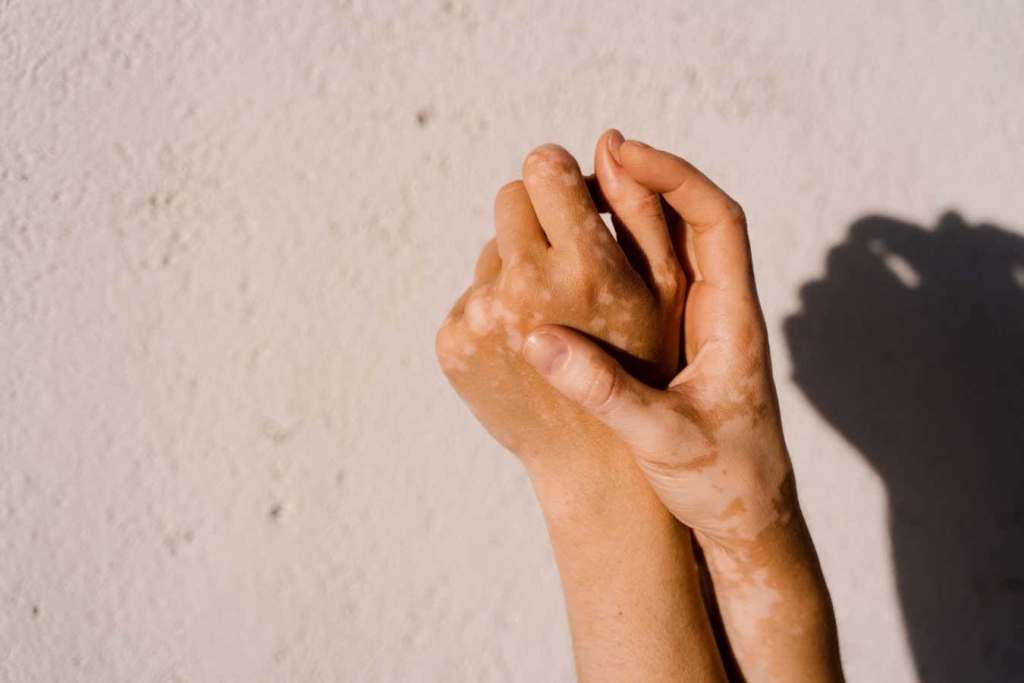
Vitiligo affects approximately 1% of the global population, manifesting as symmetrical white patches on the skin when the immune system mistakenly attacks melanocytes—the cells responsible for producing melanin, the pigment that gives skin its color. For decades, treatments have been limited to broad-spectrum approaches like steroid creams that suppress the entire immune system, often with significant side effects and limited efficacy.
What makes ruxolitinib revolutionary is its precision. The cream works by specifically inhibiting two enzymes that trigger immune cells to destroy melanocytes, effectively interrupting the autoimmune cascade at its source. This targeted approach represents a paradigm shift from the shotgun methods of the past.
Clinical Triumph: Numbers That Speak Volumes
The clinical evidence supporting ruxolitinib is compelling. In two landmark trials published in the New England Journal of Medicine in 2022, researchers found that the cream increased pigmentation and reduced the visibility of vitiligo patches compared to placebo treatment. Critically, these improvements occurred regardless of skin tone—a significant finding given that vitiligo is often more noticeable on darker skin.
Even more impressive, the benefits were maintained for at least one year in more than one-third of participants who discontinued the treatment after the trial period. This suggests that ruxolitinib may not just provide temporary relief but could potentially reset the immune response in some patients.
From Controversy to NHS Approval
The journey to NHS approval hasn’t been straightforward. The National Institute for Health and Care Excellence (NICE) initially deemed ruxolitinib not cost-effective for widespread NHS use. However, after careful reconsideration of the clinical data and mounting pressure from patient advocacy groups, NICE has now recommended the cream for people aged 12 and older with non-segmental vitiligo when other topical treatments have failed or are unsuitable.
This reversal reflects growing recognition that vitiligo, while not life-threatening, can have profound psychological impacts. Patients with vitiligo face significantly higher risks of depression and anxiety, with some studies suggesting rates two to three times higher than the general population.
The Human Impact: Beyond the Skin
The psychological burden of vitiligo cannot be overstated. “Usually, people [with vitiligo] are asymptomatic in terms of physical symptoms, but it can cause a lot of emotional hardship,” explains Dr. David Rosmarin of Indiana University, who led the pivotal trials.
Natalie Ambersley, a vitiligo ambassador for Changing Faces, captures this duality perfectly: “I’ve learned to accept my skin. We’re [all] unique and we can embrace what we look like.” Yet she acknowledges that this acceptance journey isn’t universal: “It’s great that there are people who love the skin they’re in, but that’s not for everyone.”
This sentiment is echoed by Emma Rush of Vitiligo Support UK, who emphasizes that the availability of effective treatment shouldn’t be seen as diminishing the validity of those who choose to embrace their vitiligo. Rather, it provides options for those who desire them.
Safety Profile: A Kinder Alternative
One of ruxolitinib’s most compelling advantages is its safety profile. Unlike steroid creams, which can cause skin thinning with prolonged use, or ultraviolet therapy, which isn’t widely accessible, ruxolitinib has demonstrated minimal systemic absorption and only mild side effects in clinical trials, primarily acne and itchiness.
This stands in stark contrast to the oral version of ruxolitinib, which has been associated with severe side effects including lymphoma, heart problems, and serious infections when used for other conditions. The topical formulation appears to deliver the therapeutic benefits while avoiding these systemic risks.
A New Era in Autoimmune Skin Treatment
The approval of ruxolitinib marks more than just a new treatment option—it represents a fundamental shift in how we conceptualize and treat autoimmune skin conditions. For the first time, we have a drug that doesn’t just mask symptoms or broadly suppress immune function, but intelligently intervenes in the specific pathway causing the disease.
“This is such a landmark,” says Emma Rush, capturing the significance of this moment for the vitiligo community. The treatment’s availability on the NHS also addresses issues of equity, ensuring that this breakthrough isn’t limited to those who can afford private healthcare.
Looking Forward
As ruxolitinib becomes available through the NHS, it opens new possibilities not just for vitiligo treatment but potentially for other autoimmune skin conditions. The success of this targeted approach may pave the way for similar treatments for conditions like alopecia areata, psoriasis, and eczema.
For the millions living with vitiligo worldwide, this development offers hope—not just for clearer skin, but for the confidence and freedom that comes with feeling comfortable in one’s own skin. Whether individuals choose to pursue treatment or embrace their vitiligo as part of their unique identity, the availability of effective options represents a victory for patient autonomy and medical progress.
The story of ruxolitinib is ultimately about more than skin deep—it’s about recognizing the profound impact that visible differences can have on quality of life, and the power of medical science to address not just the physical manifestations of disease, but the human experience of living with it.
tags
VitiligoBreakthrough #SkinHealthRevolution #AutoimmuneTreatment #MedicalInnovation #NHSTreatment #SkinConfidence #DermatologyNews #HealthcareEquity #TargetedTherapy #SkinScience
viralSentences
“This isn’t just about skin—it’s about restoring confidence and dignity to millions.”
“For the first time, we’re treating the cause, not just masking the symptoms.”
“Vitiligo affects 1% of the world, but impacts countless more through its psychological toll.”
“The cream that’s changing lives is finally coming to the NHS.”
“Science just gave millions a reason to smile again.”
“This treatment proves that ‘cosmetic’ conditions deserve serious medical attention.”
“The future of skin health is here, and it’s more targeted than ever before.”
“Finally, a treatment that works with your body, not against it.”
“This isn’t just a cream—it’s a confidence revolution.”
“The days of choosing between ineffective treatments and serious side effects are over.”
viralTags
SkinRevolution #MedicalBreakthrough #NHSTreatment #VitiligoHope #TargetedTherapy #SkinScience #AutoimmuneTreatment #HealthcareForAll #ConfidenceRestored #MedicalInnovation
,


Leave a Reply
Want to join the discussion?Feel free to contribute!