
Saints Row Director Believes The Franchise Is Dead
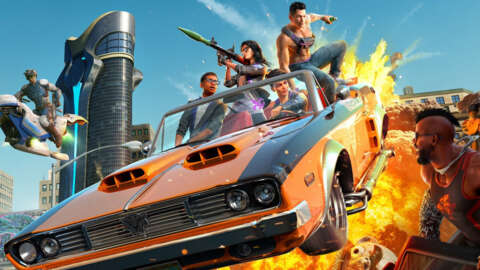
Saints Row Franchise “Dead” Says Original Design Director, as Embracer Group Ghosts Revival Pitch
The beloved Saints Row franchise, once a powerhouse of open-world mayhem and satirical chaos, now appears to be officially DOA according to one of its original architects. Chris Stockman, the design director who helped birth the series back in 2006, has delivered a devastating prognosis: “I think the franchise is dead, unfortunately.”
In a candid Discord exchange that’s since exploded across social media platforms, Stockman pulled no punches about the franchise’s grim future under Embracer Group’s ownership. “I get the sense that Embracer has zero ability to do anything with it,” he stated bluntly. “I wish things were different. I tried my best to offer a path forward, but they’ve ghosted me.”
The revelation sent shockwaves through the gaming community, with fans expressing everything from heartbreak to bitter resignation. The original message, shared on X (formerly Twitter) by user @papaRPG, quickly went viral, reigniting discussions about what many consider one of gaming’s most unique and irreverent franchises.
The Rise and Fall of a Gaming Icon
Saints Row began as a Grand Theft Auto clone but rapidly evolved into something far more distinctive. The series became known for its over-the-top action, absurdist humor, and willingness to push boundaries that other open-world games wouldn’t touch. From fighting aliens in virtual reality to becoming the President of the United States, Saints Row consistently delivered experiences that were as unpredictable as they were entertaining.
The franchise reached its commercial peak with Saints Row: The Third in 2011, which sold millions of copies and cemented the series’ reputation for unapologetic chaos. Subsequent entries like Saints Row IV and the standalone expansion Gat out of Hell continued the tradition of escalating absurdity, with each installment trying to outdo its predecessor in terms of sheer ridiculousness.
The 2022 Reboot: A Fatal Misstep?
The writing may have been on the wall when the 2022 Saints Row reboot launched to disappointing reviews and underwhelming sales. The game attempted to walk back some of the series’ more outlandish elements in favor of a more grounded approach, but this tonal shift alienated many longtime fans who had come to expect the franchise’s signature blend of chaos and comedy.
Critics and players alike found the reboot lacking in comparison to its predecessors, with many citing a lack of the series’ trademark personality and creative spark. The game’s performance was particularly concerning given the high expectations that typically accompany major franchise reboots, especially ones backed by significant marketing budgets.
Volition’s Closure: The Final Nail?
The situation became even more dire when Embracer Group, which had acquired the franchise as part of its massive acquisition spree, made the shocking decision to close Volition—the studio that had been the creative home of Saints Row for over a decade. The closure came just after Volition’s 30th anniversary, adding a particularly cruel twist to the studio’s legacy.
The timing of Volition’s shutdown raised eyebrows throughout the industry, coming as it did during a period of significant restructuring at Embracer Group. The Swedish conglomerate had been facing financial pressures and had initiated a series of cost-cutting measures, with Saints Row’s parent studio becoming an unfortunate casualty.
Stockman’s Revival Pitch: A Path Not Taken
What makes Stockman’s comments particularly poignant is his revelation that he had actually prepared a pitch to return the franchise to its roots. As the original design director, Stockman possesses unique insight into what made Saints Row special in the first place, and his willingness to re-engage with the franchise suggests that there may still be creative life left in the concept.
However, his claim that Embracer has “ghosted” him speaks volumes about the publisher’s apparent lack of interest in exploring the franchise’s potential. In an industry where beloved IPs are often resurrected given enough time and the right circumstances, the apparent abandonment of Saints Row stands out as particularly noteworthy.
The Broader Context: Gaming’s IP Graveyard
Saints Row’s apparent demise fits into a larger pattern of franchise neglect that has become increasingly common in the modern gaming industry. As publishers focus on live-service games and established mega-franchises, mid-tier properties like Saints Row often find themselves without clear paths forward.
The situation is compounded by the current economic climate in gaming, where even successful publishers are becoming more risk-averse. The combination of rising development costs, increasingly sophisticated player expectations, and market saturation has made it harder than ever for established franchises to justify new entries unless they can guarantee substantial returns.
Community Reaction: Mourning a Fallen Hero
The gaming community’s response to Stockman’s comments has been a mixture of sadness, anger, and resignation. Longtime fans have taken to social media to share their favorite memories of the series, from the iconic opening mission of the original game to the mind-bending superpowers of the later entries.
Many have pointed out that Saints Row’s unique brand of humor and chaos filled a niche that remains largely vacant in today’s gaming landscape. While other open-world games have certainly made their mark, few have managed to capture the same combination of satire, spectacle, and sheer unpredictability that defined the Saints Row experience.
What’s Next for the Franchise?
With Volition shuttered and Embracer seemingly uninterested in pursuing new directions, the future of Saints Row remains uncertain. The franchise’s intellectual property still belongs to Embracer Group, meaning that the company could theoretically revive it at some point in the future. However, Stockman’s comments suggest that such a revival is unlikely to happen anytime soon, if ever.
Some industry analysts have speculated that Saints Row could eventually be licensed to another developer, similar to how other dormant franchises have found new life under different creative teams. However, given Embracer’s apparent lack of interest, such a scenario seems improbable in the near term.
The Legacy Lives On
Despite its apparent demise, Saints Row’s influence on the gaming industry cannot be overstated. The series helped popularize many of the mechanics and design philosophies that have become standard in modern open-world games, from its emphasis on player freedom to its integration of RPG elements into action gameplay.
Moreover, Saints Row’s willingness to take creative risks and embrace its own absurdity helped pave the way for other games that aren’t afraid to be different. In an industry that often plays it safe, the series stands as a reminder of the value of creative boldness and the importance of maintaining a distinct identity.
dead franchise, Saints Row cancelled, Embracer Group fails, Volition closure, gaming industry RIP, IP graveyard, open-world chaos ends, reboot disappointment, franchise revival dead, ghosted by publisher, gaming nostalgia loss, creative direction abandoned, series finale confirmed, developer shutdown impact, beloved IP demise, market failure consequences, risk-averse publishing, franchise mismanagement, community heartbreak, gaming history lost
tags
SaintsRow #GamingNews #EmbracerGroup #Volition #GameCancellation #GamingIndustry #FranchiseClosure #ChrisStockman #OpenWorldGames #GamingCommunity #IPManagement #GameDevelopment #IndustryTrends #GamingHistory #CreativeDirection
,


Leave a Reply
Want to join the discussion?Feel free to contribute!