
Sam Altman would like remind you that humans use a lot of energy, too
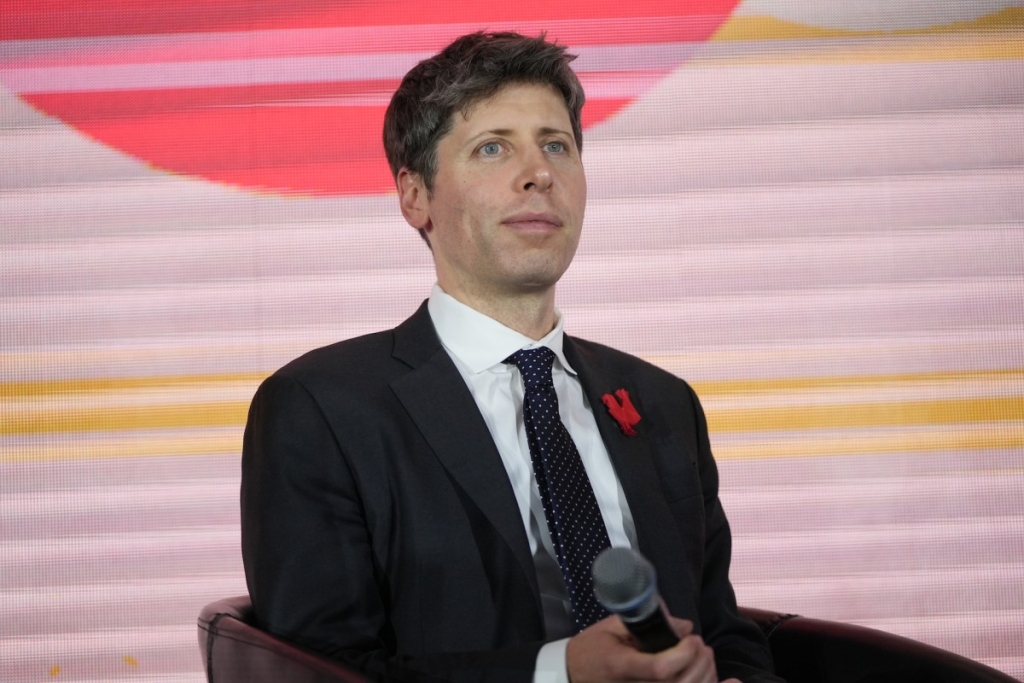
OpenAI CEO Sam Altman Dismisses AI Water Usage Claims as “Totally Fake” While Urging Swift Energy Transition
In a bold and unapologetic stance, OpenAI CEO Sam Altman has dismissed widespread concerns about AI’s water consumption as “totally fake,” sparking fresh debate over the environmental footprint of artificial intelligence technologies. Speaking at an event hosted by The Indian Express during his visit to India for a major AI summit, Altman addressed the mounting scrutiny over the resource demands of AI systems like ChatGPT, particularly their water and energy usage.
Altman’s remarks come at a time when data centers powering AI models are under increasing pressure for their environmental impact. Critics have pointed to reports suggesting that a single ChatGPT query could consume as much as 17 gallons of water, a claim that Altman vehemently rejected. “This is completely untrue, totally insane, no connection to reality,” he stated, attributing such claims to outdated practices like evaporative cooling, which OpenAI no longer employs in its data centers.
However, Altman did acknowledge that the broader issue of energy consumption by AI systems is a legitimate concern. “It’s fair to be concerned about the energy consumption — not per query, but in total, because the world is now using so much AI,” he said. He emphasized the urgent need for a global shift toward renewable energy sources, including nuclear, wind, and solar power, to mitigate the environmental impact of AI’s growing energy demands.
The lack of transparency in the tech industry has made it difficult to assess the true environmental cost of AI. Unlike other sectors, there are no legal requirements for tech companies to disclose their energy and water usage. As a result, independent scientists have been working to study the issue, revealing a complex picture. Data centers, which are the backbone of AI operations, have also been linked to rising electricity prices, further fueling concerns about their sustainability.
During the interview, Altman was asked about claims that a single ChatGPT query uses the equivalent of 1.5 iPhone battery charges. He dismissed this as exaggerated, stating, “There’s no way it’s anything close to that much.” He argued that many discussions about AI’s energy usage are “unfair,” particularly when they focus on the energy required to train AI models compared to the cost of a human performing a single query. “It also takes a lot of energy to train a human,” Altman noted. “It takes like 20 years of life and all the food you eat during that time before you get smart.”
Altman went on to argue that the fair comparison should be between the energy required for an AI to answer a question once its model is trained versus the energy required for a human to do the same. “And probably, AI has already caught up on an energy efficiency basis, measured that way,” he concluded.
The interview, which took place during Altman’s visit to India for a major AI summit, has reignited the debate over the environmental impact of AI. While Altman’s dismissal of water usage claims may ease some concerns, his acknowledgment of the broader energy issue underscores the need for sustainable solutions as AI continues to expand its reach.
You can watch the full interview below. The conversation about water and energy usage begins at around 26:35.
[Embed YouTube video here]
Tags & Viral Phrases:
- OpenAI CEO Sam Altman
- AI water usage “totally fake”
- ChatGPT environmental impact
- Data centers energy consumption
- Renewable energy for AI
- Nuclear, wind, and solar power
- AI sustainability debate
- Independent scientists studying AI
- Rising electricity prices
- Energy efficiency of AI vs humans
- Tech industry transparency
- AI summit India
- Sam Altman interview
- AI training vs human training
- Environmental footprint of AI
- Global shift to renewable energy
- AI query energy usage
- Evaporative cooling outdated
- TechCrunch event Boston, MA
- June 9, 2026
,


Leave a Reply
Want to join the discussion?Feel free to contribute!