
Samsung admits Galaxy S26 Ultra display is slightly hindered
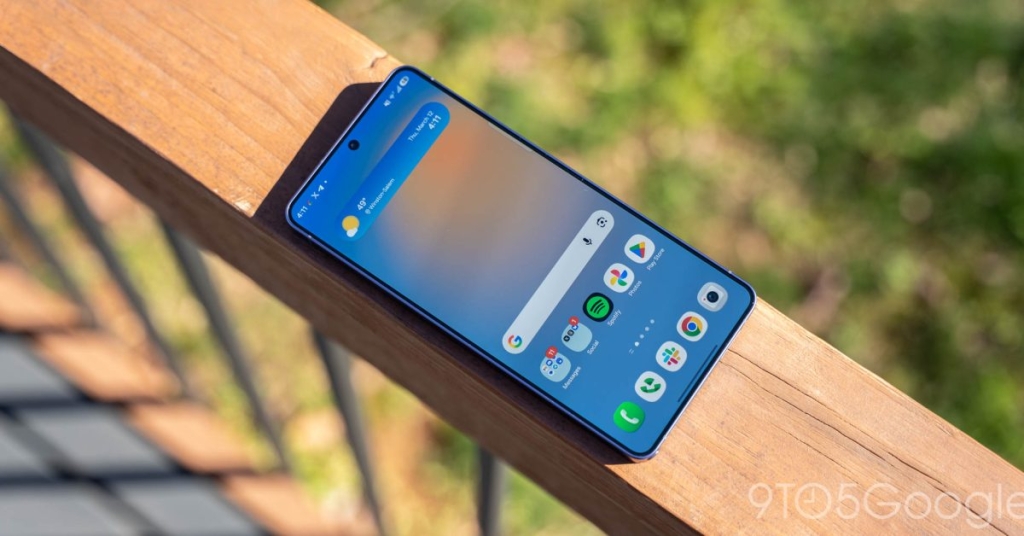
Samsung Galaxy S26 Ultra: Privacy Display Brings a Trade-Off Worth Discussing
Samsung’s latest flagship, the Galaxy S26 Ultra, has arrived with a headline-grabbing feature that’s already sparking debate across tech communities: the Privacy Display. This innovative technology promises to keep your screen contents hidden from prying eyes, but as many early adopters are discovering, it comes with a subtle yet significant compromise in display quality.
The Privacy Display Revolution
At first glance, the Galaxy S26 Ultra delivers everything we’ve come to expect from Samsung’s premium lineup—vibrant colors, deep blacks, and that signature smooth 120Hz refresh rate. However, beneath the surface lies a technological shift that’s dividing opinions among enthusiasts and casual users alike.
The Privacy Display isn’t just another software toggle. Samsung has fundamentally redesigned the display hardware to achieve this privacy-focused functionality. When activated, the system effectively shuts down half of the display’s pixels, creating a viewing angle so narrow that anyone beside you sees only a darkened screen. It’s a clever solution to a common problem—how often have you caught someone trying to read your messages over your shoulder on public transport?
The Microscope Reveals All
What Samsung hasn’t heavily advertised is that this hardware-level change affects the display even when Privacy Mode is turned off. A detailed microscopic analysis comparing the Galaxy S25 Ultra and S26 Ultra reveals structural differences in the pixel arrangement. The new display architecture, while enabling the privacy features, shows a slightly altered subpixel layout that impacts overall image quality.
Under magnification, the differences become stark. The Galaxy S25 Ultra displays the traditional diamond pixel arrangement that Samsung has refined over multiple generations. In contrast, the S26 Ultra shows a modified pattern designed to support the privacy functionality. When Privacy Mode activates, the display’s behavior becomes even more apparent, with noticeable changes in pixel activation patterns.
Real-World Impact: Better or Worse?
Samsung has acknowledged these changes, speaking to TechRadar about the “some variation” users might notice. The company maintains that any impact on actual usage remains “negligible,” and for many users, this assessment holds true. The display still delivers excellent brightness, color accuracy, and responsiveness that meets flagship standards.
However, display enthusiasts with trained eyes report subtle differences. Some notice slightly reduced viewing angles even with Privacy Mode disabled. Others report minor color shifts when viewing content from off-center positions. The changes are incremental rather than dramatic—most users likely won’t notice unless they’re specifically looking for differences.
The Trade-Off Analysis
This situation presents an interesting philosophical question in smartphone design: when does a feature’s benefit outweigh a slight degradation in core functionality? Samsung clearly believes that enhanced privacy justifies a marginal display compromise, and their confidence in this decision reflects changing user priorities.
In an era where smartphones contain our most sensitive information—banking apps, private messages, confidential work documents—the ability to shield that content from shoulder-surfers has genuine value. The Privacy Display addresses a real-world concern that many users face daily, particularly in urban environments or open-office settings.
Performance Beyond the Display
Setting aside the display controversy, the Galaxy S26 Ultra continues Samsung’s tradition of excellence in other areas. The device maintains its position as a powerhouse, with the latest Snapdragon processor delivering snappy performance across all tasks. Battery life remains impressive, easily lasting through a full day of heavy use with capacity to spare.
The camera system, while evolutionary rather than revolutionary, continues to produce excellent photos in various lighting conditions. Samsung’s processing algorithms have been refined further, resulting in more natural-looking images that still pop with the vibrancy users expect.
Software Experience
One UI continues to mature, offering a polished Android experience with thoughtful features and customization options. The software feels cohesive and responsive, with Samsung’s additions enhancing rather than cluttering the Android foundation. Privacy features extend beyond the display, with enhanced app permissions and security controls providing comprehensive protection.
Should You Upgrade?
For current Galaxy S25 Ultra owners, the decision becomes more nuanced. If the Privacy Display appeals to you and you’re willing to accept the subtle display trade-off, the S26 Ultra represents a meaningful upgrade. However, if you’re satisfied with your current device’s display quality and don’t prioritize the privacy features, waiting another generation might be prudent.
New buyers face an easier decision. The Galaxy S26 Ultra remains an exceptional smartphone that competes strongly at the premium price point. The display differences, while real, don’t fundamentally compromise the user experience for most people.
The Bigger Picture
Samsung’s approach with the Privacy Display reflects a broader trend in smartphone innovation: manufacturers are increasingly willing to make calculated trade-offs to deliver new features. This willingness to accept minor compromises for significant benefits could signal how future smartphone development unfolds.
As privacy concerns continue growing globally, features like this may become standard rather than premium offerings. Other manufacturers are likely watching Samsung’s implementation closely, potentially leading to similar innovations across the Android ecosystem.
User Reactions and Community Response
Early adopter feedback has been mixed but generally positive. Many users praise the Privacy Display as genuinely useful, particularly those who frequently work in public spaces. Others express disappointment that the feature necessitated display changes, wishing Samsung had found a software-only solution.
The tech community’s response has been characteristically analytical, with detailed comparisons and measurements flooding forums and social media. This level of scrutiny reflects how far smartphone technology has advanced—we’re now debating nuances that would have been imperceptible just a few years ago.
Looking Forward
The Galaxy S26 Ultra’s display situation raises interesting questions about future smartphone development. Will other manufacturers follow Samsung’s lead, accepting minor compromises for innovative features? How will display technology evolve to accommodate both traditional excellence and new functionality?
One thing seems clear: the era of pure optimization without trade-offs may be ending. As smartphones become more capable and feature-rich, manufacturers must make increasingly complex decisions about what to prioritize and what compromises to accept.
Conclusion
The Galaxy S26 Ultra stands as a testament to Samsung’s engineering prowess and willingness to innovate, even when it means accepting imperfect solutions. The Privacy Display represents a genuine advancement in smartphone functionality, addressing real user needs in our increasingly connected world.
While the display trade-off is real and measurable, it’s also relatively minor in the context of the overall user experience. For most users, the Galaxy S26 Ultra will deliver the excellent performance, camera quality, and software experience they expect from a flagship device, with the added benefit of enhanced privacy when needed.
The question isn’t whether the Galaxy S26 Ultra is a good phone—it clearly is. The question is whether you value the Privacy Display enough to accept its subtle impact on display quality. For many users, the answer will be a resounding yes, making the S26 Ultra not just another incremental upgrade, but a thoughtful evolution in smartphone design.
Tags: #Samsung #GalaxyS26Ultra #PrivacyDisplay #SmartphoneInnovation #DisplayTechnology #MobilePrivacy #TechTradeOffs #FlagshipPhone #Android #SmartphoneCamera #BatteryLife #OneUI #Snapdragon #MobileSecurity #TechReview #SmartphoneEvolution
Viral Phrases:
- “Privacy Display shuts off half of the pixels”
- “Samsung owns up to display quality impact”
- “Microscopic analysis reveals structural differences”
- “Trade-off between privacy and display excellence”
- “Shoulder-surfing protection at what cost?”
- “The end of pure optimization?”
- “Innovation requires compromise”
- “Galaxy S26 Ultra’s controversial compromise”
- “Privacy features change hardware fundamentals”
- “Samsung’s calculated risk pays off?”
- “Display enthusiasts notice subtle differences”
- “The future of smartphone innovation”
- “Real-world privacy vs. technical perfection”
- “Calculated trade-offs in modern smartphones”
- “Privacy Display: Feature or compromise?”
,


Leave a Reply
Want to join the discussion?Feel free to contribute!