
Samsung Galaxy S26 Ultra vs. Xiaomi 17 Ultra
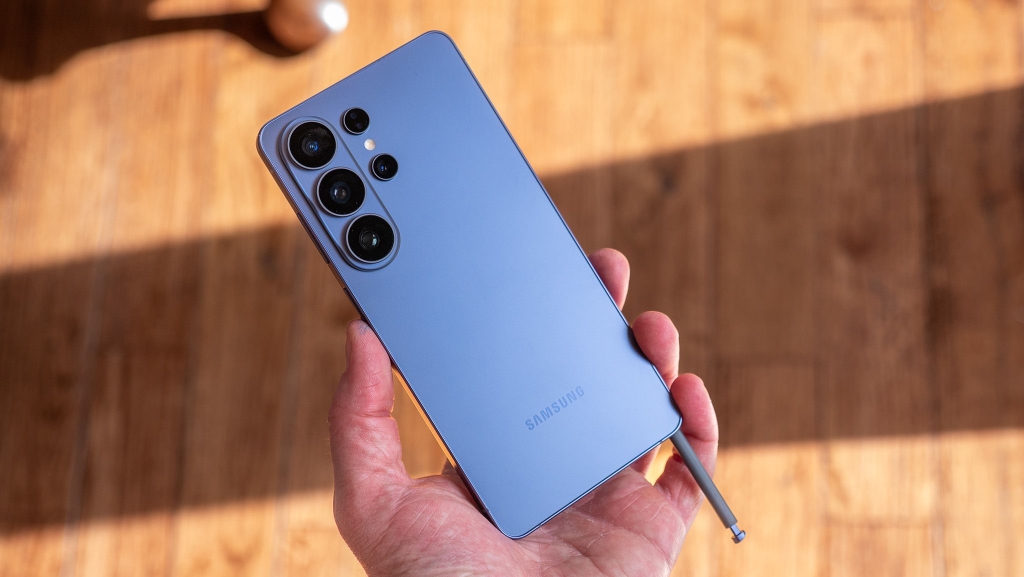
Samsung Galaxy S26 Ultra vs Xiaomi 17 Ultra: The Ultimate Flagship Showdown
The smartphone arena has never been more competitive than it is in 2025, with Samsung and Xiaomi going head-to-head in a battle that could reshape the Android flagship landscape. As these tech giants unveil their latest offerings, consumers are left wondering which powerhouse device deserves their hard-earned money. Let’s dive deep into this comprehensive comparison to help you make an informed decision.
Design and Display: The Battle of Innovation
Samsung Galaxy S26 Ultra: Refined Elegance
Samsung has taken a subtle yet significant approach to the S26 Ultra’s design. The company has softened the device’s edges, creating a more ergonomic feel that addresses one of the biggest complaints about previous Ultra models. At just 7.9mm thick and weighing 214 grams, it’s a noticeable improvement over its predecessors.
The standout feature here is the Privacy Display technology – a game-changing innovation that mimics privacy screen protectors at the pixel level. This means your screen content darkens when viewed from an angle, perfect for those who frequently work in public spaces or worry about shoulder-surfing. You can even customize this feature to activate for specific apps and block notification previews from designated applications.
However, there’s a significant caveat: Samsung’s advertised 10-bit display turned out to be an 8-bit panel using temporal dithering to simulate 10-bit color. While Senior Editor Nicholas Sutrich’s extensive testing shows this isn’t a major issue for most users, those sensitive to pixel flicker might experience headaches or eye fatigue.
Xiaomi 17 Ultra: The Powerhouse Performer
Xiaomi has gone all-in with the 17 Ultra, featuring a stunning 6.9-inch 12-bit AMOLED display that delivers truly vibrant colors and an incredible peak brightness of up to 3,500 nits. This dwarfs Samsung’s 2,600 nits maximum, making the Xiaomi significantly better for outdoor use and HDR content.
The design language is bold and distinctive, with that iconic circular camera island that’s become Xiaomi’s signature. Available in striking colors like green, the 17 Ultra exudes premium quality and immediately communicates its flagship status. It’s slightly thicker and heavier than the Samsung at 8.3mm and 218 grams, but the difference is negligible in real-world use.
Performance and Specifications: Under the Hood
Processing Power: Snapdragon Showdown
Both devices are powered by the Qualcomm Snapdragon 8 Elite Gen 5 SoC, ensuring top-tier performance. Samsung uses a custom version of this chipset, while Xiaomi opts for the standard implementation. In theory, both should deliver similar performance levels, with Qualcomm promising a 20% boost in CPU and GPU performance while using 20% less power.
Memory and Storage: Different Approaches
Samsung takes a more conservative approach with 12GB RAM for the 256GB and 512GB variants, while reserving 16GB for the 1TB model. Xiaomi, on the other hand, equips all variants with 16GB RAM, which might justify its higher price point for power users.
Storage options are comparable, though Xiaomi offers 512GB as the base model, while Samsung starts at 256GB. Both offer 1TB variants for those who need maximum storage.
Battery Life and Charging: Xiaomi Takes the Lead
This is where Xiaomi really pulls ahead. The 17 Ultra features a massive 6,000mAh battery compared to Samsung’s 5,000mAh. More importantly, Xiaomi’s 90W wired charging can fully charge the device in under 50 minutes, while Samsung’s improved 60W charging takes considerably longer. Xiaomi also offers 50W wireless charging, significantly outpacing Samsung’s 25W wireless option.
Software Experience: The Android Divide
Samsung’s One UI: Polished and Feature-Rich
Samsung’s One UI continues to be one of the most refined Android experiences available. The latest version (8.5) comes packed with AI features that, while reminiscent of Google’s offerings, have been tailored for Samsung’s ecosystem. Features like Now Nudge (similar to Google’s Magic Cue) and Photo Assist provide contextual suggestions and natural language photo editing capabilities.
The seven-year software update commitment remains a major selling point, offering peace of mind that your investment will remain current for years to come.
Xiaomi’s HyperOS: Improved but Still Quirky
HyperOS 3 represents significant improvements over the old MIUI, addressing many previous pain points like memory management and notification spam. However, it still has its quirks – some apps like Wordle simply refuse to run on the platform.
Xiaomi offers six years of updates, though this covers HyperOS rather than necessarily six full Android versions. For users who prioritize the latest Android features, this could be a consideration.
Camera Systems: The Ultimate Decider
Xiaomi 17 Ultra: Photography Powerhouse
Xiaomi has truly gone all-out with the camera system. The 1-inch 50MP main sensor captures incredibly detailed photos with natural color reproduction. The 200MP telephoto camera features “continuous zoom,” allowing optical-quality shots from 3.2x to 4.3x magnification. The 50MP ultrawide camera includes autofocus, and all three cameras have been co-engineered with Leica.
The front-facing 50MP camera with autofocus is a significant upgrade over competitors, and video capabilities are exceptional with Dolby Vision HDR support at 4K 60fps across all four cameras.
Samsung Galaxy S26 Ultra: Reliable but Conservative
Samsung has taken a more conservative approach, maintaining a similar camera setup to previous generations. The key improvements are wider apertures for the main and 5x telephoto cameras, which should result in better low-light performance.
While Samsung’s cameras have historically been excellent, the Xiaomi 17 Ultra’s superior hardware specifications suggest it will outperform in most shooting scenarios. Software processing can only compensate so much for physical sensor limitations.
Pricing and Value Proposition
Samsung: Competitive Pricing
The Galaxy S26 Ultra starts at $1,299.99 for the 256GB model, with prices scaling up to $1,799.99 for the 1TB variant. Samsung has maintained pricing from the previous generation, which is good news for consumers.
Xiaomi: Premium Pricing for Premium Hardware
The Xiaomi 17 Ultra starts at an equivalent of €1,499 ($1,770) for the base 16GB/512GB model. While more expensive than Samsung’s equivalent storage tier, the additional RAM and superior camera hardware might justify the premium for certain users.
The Verdict: Which Should You Buy?
Choose the Samsung Galaxy S26 Ultra if:
- You value brand reliability and after-sales service
- You want the peace of mind that comes with seven years of updates
- You appreciate the S Pen functionality
- You prefer a more conservative, refined design
- You’re invested in Samsung’s ecosystem
Choose the Xiaomi 17 Ultra if:
- You’re a mobile photography or videography enthusiast
- You want the absolute best camera hardware available
- You prioritize battery life and charging speed
- You don’t mind dealing with software quirks for superior hardware
- You’re looking for the best display technology available
The Bottom Line
This comparison ultimately comes down to priorities. The Samsung Galaxy S26 Ultra represents the safe, reliable choice that will satisfy most users with its balanced approach to features, performance, and longevity. The Xiaomi 17 Ultra, however, is a statement device for those who prioritize specific features – particularly camera performance – above all else.
For the average consumer, Samsung’s offering provides the best overall package with its combination of reliable performance, excellent software support, and brand confidence. But for the mobile photography enthusiast willing to deal with software imperfections, the Xiaomi 17 Ultra’s superior camera hardware might be worth the trade-offs.
Both devices represent the pinnacle of Android flagship technology in 2025, and your choice will depend on which features matter most to your specific use case. Whichever you choose, you’re getting a device that pushes the boundaries of what’s possible in a smartphone.
tags
SamsungGalaxyS26Ultra #Xiaomi17Ultra #AndroidFlagship #SmartphoneShowdown #MobilePhotography #TechComparison #FlagshipBattle #CameraComparison #SmartphoneReview #AndroidVsAndroid
viralphrases
“Which flagship will dominate 2025?” “The camera battle that matters most” “Is Xiaomi finally beating Samsung at its own game?” “The $1,700 question: Is it worth it?” “Samsung’s safe choice vs Xiaomi’s bold statement” “Battery life that lasts all day (and then some)” “The display technology that changes everything” “Software quirks vs hardware excellence” “Seven years of updates: The peace of mind premium” “Mobile photography redefined”
,


Leave a Reply
Want to join the discussion?Feel free to contribute!