
Samsung Galaxy Z TriFold 2 and Galaxy Z Slide are on the way, first details leak
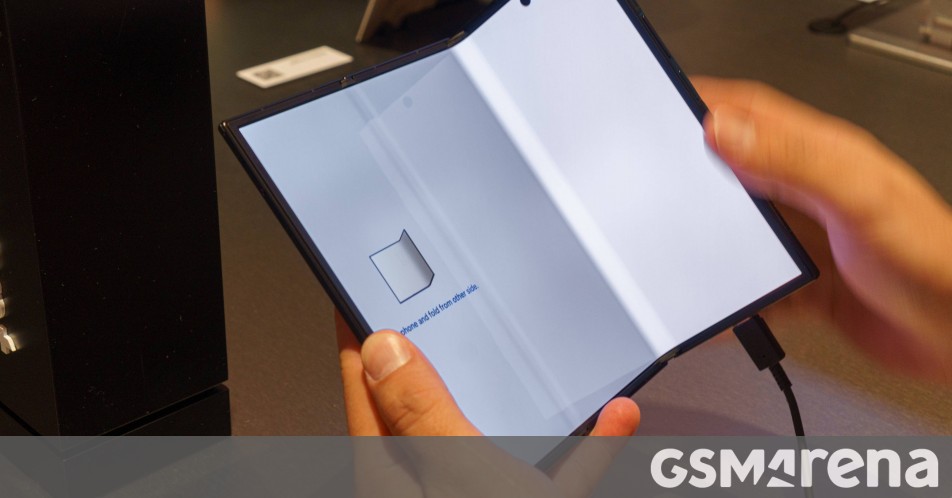
Samsung’s TriFold 2 Set to Revolutionize Foldable Tech in 2027
In a surprising twist that’s sent ripples through the foldable smartphone community, Samsung has officially pulled the plug on its pioneering Galaxy Z TriFold just three months after its launch in South Korea. The experimental device, which featured a groundbreaking triple-folding design, was always positioned as a niche product for early adopters and tech enthusiasts. However, this isn’t the end of Samsung’s ambitious foldable journey—in fact, it’s just the beginning of something even more revolutionary.
The End of an Era, The Start of a New One
The original Galaxy Z TriFold, launched with much fanfare as Samsung’s first double-folding smartphone, represented the company’s boldest hardware experiment in years. With its unique ability to fold twice, creating a compact form factor that could expand into a tablet-sized display, the device pushed the boundaries of what was possible with flexible display technology. Despite its innovative design, the TriFold faced challenges including its considerable thickness (12.9mm when folded) and weight, which made it less practical for everyday use.
However, Samsung isn’t abandoning the triple-folding concept. According to insider sources in Korea, the company is already hard at work on the TriFold 2, which is slated for a mid-2027 release. This timeline suggests Samsung is taking a methodical approach, using the lessons learned from the first generation to create a significantly improved successor.
TriFold 2: Thinner, Lighter, Better
The most exciting aspect of the TriFold 2 rumors is the dramatic improvement in physical dimensions. While the original TriFold measured a substantial 12.9mm in thickness when folded, the new model is expected to be only marginally thicker than the Galaxy Z Fold7, which sits at 8.9mm when folded. This represents a reduction of approximately 4mm—a significant achievement in smartphone engineering that would make the device far more pocketable and practical for daily use.
This slimming down likely involves advancements in several areas: more efficient battery technology, improved hinge mechanisms, and potentially new materials that can maintain structural integrity while reducing weight. The goal appears to be creating a device that offers the expansive screen real estate of a tablet while maintaining a form factor closer to traditional smartphones when folded.
Beyond TriFold: Samsung’s Sliding Screen Ambition
But Samsung isn’t stopping at refining the triple-fold design. The tech giant is also reportedly developing its first-ever sliding-screen smartphone, which will likely bear the Galaxy Z Slide name if it reaches production. This device represents an entirely different approach to expanding screen real estate, using a sliding mechanism rather than folding.
Currently in the prototype stage, the Galaxy Z Slide is tentatively scheduled for a late 2027 or early 2028 release, contingent on overcoming various technical challenges. Sliding screen technology presents its own unique engineering hurdles, including ensuring smooth operation, maintaining water resistance, and preventing dust ingress—issues that Samsung will need to solve before bringing such a device to market.
The Bigger Picture: Samsung’s Foldable Strategy
These developments reveal Samsung’s long-term commitment to exploring every possible avenue for expanding smartphone displays beyond traditional flat panels. The company appears to be hedging its bets, developing multiple form factors simultaneously rather than putting all its resources into a single approach.
This strategy makes sense given the uncertainty around which foldable design will ultimately resonate most with consumers. While the conventional book-style fold (exemplified by the Galaxy Z Fold series) has gained some traction, it’s still unclear whether triple-folding or sliding mechanisms will find broader market acceptance.
Technical Challenges and Innovations
The engineering challenges involved in these devices are substantial. For the TriFold 2, Samsung must solve issues related to display durability, hinge reliability, and thermal management in an even more compact package. The sliding mechanism for the Galaxy Z Slide introduces additional complexity, requiring precise engineering to ensure smooth operation over thousands of sliding cycles.
Both devices will likely push forward innovations in flexible OLED technology, with Samsung Display (Samsung’s panel-making arm) playing a crucial role in developing screens that can withstand the unique stresses of these form factors.
Market Implications
The extended timeline for these devices—2027 and 2028—suggests Samsung is taking a patient, research-intensive approach rather than rushing products to market. This contrasts with the sometimes hasty launches of early foldable devices, which often faced quality control issues and high return rates.
By 2027, the foldable smartphone market is expected to have matured significantly, with more refined designs and potentially lower price points as manufacturing scales up. Samsung’s advanced concepts could help it maintain leadership in this space, particularly if competing technologies from companies like Huawei, Oppo, and Vivo don’t advance as quickly.
Looking Ahead
As we approach the mid-2020s, the smartphone industry appears poised for another major transformation. While 5G connectivity and AI capabilities have dominated recent years, the physical form factor of smartphones may be on the cusp of its most significant evolution since the original iPhone.
Whether consumers will embrace these experimental designs remains to be seen, but Samsung’s willingness to invest in multiple futuristic concepts demonstrates the kind of innovation that has historically driven the tech industry forward. The discontinuation of the first TriFold isn’t a retreat—it’s a strategic pivot toward more refined, practical implementations of foldable technology.
For now, smartphone enthusiasts and tech watchers will have to wait until mid-2027 for the TriFold 2, and perhaps until 2028 for the Galaxy Z Slide, to see whether these ambitious concepts can transform from engineering prototypes into commercially successful products that redefine our relationship with mobile technology.
Tags: Samsung, Galaxy Z, TriFold, foldable smartphone, flexible display, triple folding, Galaxy Z Slide, sliding screen, 2027 release, mobile innovation, Samsung Display, smartphone evolution, next-gen mobile, experimental tech, Korean tech
Viral Phrases: “Samsung’s boldest experiment yet,” “the future of folding phones,” “triple the innovation,” “sliding into the future,” “thinner than ever before,” “2027 can’t come soon enough,” “Samsung’s secret weapon,” “the end of flat phones,” “folding twice is just the beginning,” “tech that bends the rules,” “innovation that unfolds,” “the next big thing in mobile,” “Samsung’s gamble on the future,” “from prototype to pocket,” “engineering meets imagination,” “the foldable frontier,” “display technology reimagined,” “mobile’s next metamorphosis,” “Samsung’s vision 2027,” “beyond the book fold.”
,

Leave a Reply
Want to join the discussion?Feel free to contribute!