
Scientists Can Finally Explain Rare Blood Clots Linked to COVID Vaccines : ScienceAlert
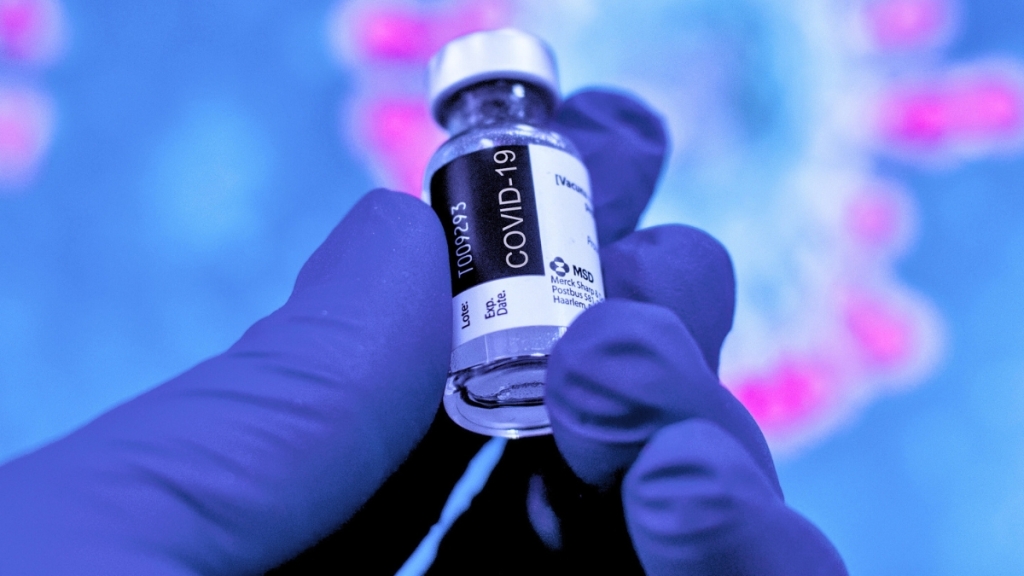
COVID Vaccines and the Mystery of VITT: How Science Solved a Rare but Deadly Puzzle
When COVID-19 vaccines rolled out worldwide, they were hailed as a miracle of modern science, saving millions of lives. But within months, doctors began noticing something alarming: a small number of vaccinated people—specifically those who received adenovirus-vector vaccines like AstraZeneca’s—were developing dangerous blood clots in unusual parts of the body. The condition, later named Vaccine-Induced Immune Thrombocytopenia and Thrombosis (VITT), baffled researchers and raised urgent questions about vaccine safety.
For years, the mechanism behind VITT remained a mystery. Now, an international team of scientists from Australia, Canada, and Germany has cracked the code—and their findings could reshape how we approach future vaccines.
The Breakthrough Discovery
The key to understanding VITT lies in the immune system’s unexpected behavior. Researchers studied 100 patients with VITT from around the world and made a stunning discovery: virtually all of them shared a distinctive antibody pattern.
Here’s where it gets fascinating. Two of the patients had donated blood before vaccination, and those pre-pandemic samples were stored in German blood banks. When scientists analyzed these samples, they found that the antibodies responsible for VITT actually began as antibodies that recognized an adenoviral protein called Protein VII.
These antibodies likely originated from the immune system’s memory of earlier adenovirus infections—common childhood viruses that cause mild cold-like symptoms. During normal immune responses to infection or vaccination, tiny random genetic changes occur in antibody-producing cells. This process, called somatic hypermutation, helps the immune system refine antibodies to fight infections more effectively.
But in VITT patients, something extraordinary happened. In all cases, the same specific mutation occurred in one of these antibody-producing cells. This single genetic change transformed the antibody, giving it an extremely strong ability to bind to a protein in human blood called platelet factor 4 (PF4).
The Perfect Storm: Two Rare Events Collide
The research revealed why VITT is so exceptionally rare. Two unlikely events must occur simultaneously:
- A person must inherit a specific immune gene variant that shapes how their antibodies are structured
- A rare mutation must occur in an antibody-producing cell responding to the adenovirus
Only when both events happen together does the immune system begin targeting platelet factor 4 in a way that creates dangerous blood clots.
The study also showed that this mutation only occurs in antibodies built on a particular genetic background, explaining why not everyone who receives an adenovirus-vector vaccine develops VITT.
Why This Matters Now
You might wonder why understanding VITT is still relevant when the pandemic has ended. The answer is crucial: adenovirus-based vaccines remain an important tool in global health. They’re versatile, inexpensive, and easy to deploy worldwide. When the next pandemic arrives, these vaccines could once again save millions of lives.
Beyond COVID, understanding VITT has broader implications. Similar antibody-driven processes have been implicated in:
- Recurring blood clots over many years
- Repeated miscarriages
- Stroke in newborn babies caused by maternal antibodies
Additionally, researchers have documented cases of syndromes that look exactly like VITT but occur without vaccination, sometimes triggered by viral infections including adenovirus and cytomegalovirus.
The Path Forward
This discovery opens exciting possibilities for vaccine development. Scientists may now be able to modify future vaccines to avoid triggering this rare immune reaction while maintaining their effectiveness against diseases.
The research represents a triumph of international scientific collaboration and patient data sharing. By combining clinical observations with sophisticated laboratory analysis, researchers have solved a puzzle that once seemed intractable.
As we prepare for future health crises, understanding rare but serious side effects like VITT ensures that we can develop vaccines that are both highly effective and as safe as possible for everyone who receives them.
Tags: COVID-19, vaccine safety, blood clots, VITT, adenovirus vaccine, platelet factor 4, immunology breakthrough, rare side effects, pandemic research, vaccine development
Viral Phrases: “solved the mystery of VITT,” “two rare events collide,” “perfect storm in the immune system,” “the mutation that changed everything,” “why VITT is so rare,” “the key that unlocked the mystery,” “from confusion to clarity,” “a triumph of international collaboration,” “the future of vaccine safety,” “preparing for the next pandemic”
Viral Sentences: “Scientists have finally cracked the code behind VITT, the rare but deadly blood clotting condition linked to COVID vaccines.” “The answer was hiding in blood samples frozen before the pandemic even began.” “Two unlikely events must occur simultaneously for VITT to develop—making it extraordinarily rare.” “This discovery could reshape how we develop vaccines for future pandemics.” “What seemed like a vaccine side effect might actually be a quirk of individual immune genetics.” “The same mechanism may explain other mysterious blood clotting disorders.” “Understanding VITT ensures safer vaccines for future generations.” “International collaboration turned a medical mystery into a scientific breakthrough.” “The mutation that causes VITT occurs in less than 1 in 100,000 people.” “This research proves that even rare side effects deserve our full scientific attention.”
,


Leave a Reply
Want to join the discussion?Feel free to contribute!