
Scientists Discover New Evidence a Common Virus Helps Trigger MS : ScienceAlert
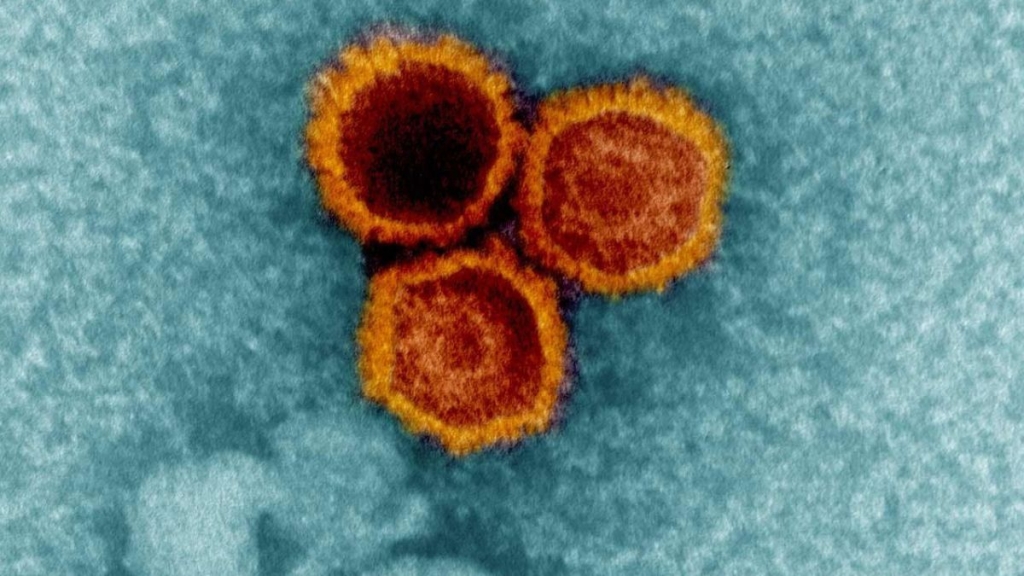
New Study Strengthens Link Between Epstein-Barr Virus and Multiple Sclerosis
Scientists are zeroing in on a potential culprit behind one of the most perplexing autoimmune diseases: the Epstein-Barr virus (EBV), a pathogen so widespread it’s practically unavoidable.
EBV, the virus responsible for infectious mononucleosis—commonly known as “kissing disease”—is carried by approximately 95% of adults worldwide. It’s also present in virtually every person diagnosed with multiple sclerosis (MS), a chronic and often debilitating condition in which the immune system mistakenly attacks the protective covering of nerve fibers in the brain and spinal cord.
For decades, researchers have suspected a connection between EBV and MS, but the exact mechanism remained elusive. Now, a groundbreaking study led by scientists at the University of California, San Francisco (UCSF) offers compelling new evidence that could explain how this common virus might trigger such a devastating disease.
Killer T Cells May Hold the Key
The UCSF team discovered that certain immune cells—specifically, CD8+ “killer” T cells—are significantly more abundant in MS patients. Even more intriguingly, some of these T cells appear to be specifically programmed to target EBV-infected cells.
“Looking at these understudied CD8+ T cells connects a lot of different dots and gives us a new window on how EBV is likely contributing to this disease,” said neurologist Joe Sabatino, one of the study’s authors.
The findings build upon earlier research that found MS risk increases 32-fold following EBV infection. No other virus showed such a dramatic association.
The Immune System’s Mistaken Identity
Previous studies have suggested that when EBV reactivates in the central nervous system, the immune system mistakenly identifies infected cells as foreign invaders. B cells—another type of white blood cell—produce antibodies that flag these cells for destruction, summoning an army of T cell clones to attack.
The UCSF researchers analyzed blood and cerebrospinal fluid from 13 MS patients and compared them with samples from five individuals without MS. They found that T cells recognizing EBV proteins were up to 100 times more abundant in the cerebrospinal fluid surrounding the brain and spinal cord in MS patients compared to their blood circulation.
This dramatic difference suggests the immune system is responding to something happening specifically in the central nervous system—possibly a reactivation of dormant EBV.
A Gene That May Be the Smoking Gun
One particularly striking finding was that certain EBV genes were active only in MS patients, not in EBV-positive individuals without MS. This suggests that the virus may behave differently in those who develop the disease.
The implications extend far beyond MS. EBV has been linked to lupus, certain cancers, schizophrenia, long COVID, chronic fatigue syndrome, and even dementia. If researchers can understand precisely how EBV manipulates the immune system and develop effective interventions, it could revolutionize treatment for numerous conditions.
“The big hope here is that if we can interfere with EBV, we can have a big effect, not just on MS but on other disorders, and improve the quality of life for many, many people,” Sabatino said.
The study, published in Nature Immunology, represents a significant step forward in unraveling one of medicine’s most persistent mysteries. As researchers continue to decode the complex relationship between viruses and autoimmune diseases, the possibility of targeted therapies—and perhaps even prevention—comes closer to reality.
Tags & Viral Phrases: Epstein-Barr virus, MS breakthrough, kissing disease connection, killer T cells, autoimmune mystery solved, UCSF research, viral trigger for MS, neuroscience discovery, immune system confusion, common virus rare disease link, medical research 2025, cerebrospinal fluid analysis, EBV reactivation, CD8+ T cells, multiple sclerosis cause identified, groundbreaking study, Nature Immunology, Joe Sabatino, viral origins of autoimmune disease, medical science viral discovery
,


Leave a Reply
Want to join the discussion?Feel free to contribute!