
Scientists Found Cancer’s Invisibility Switch
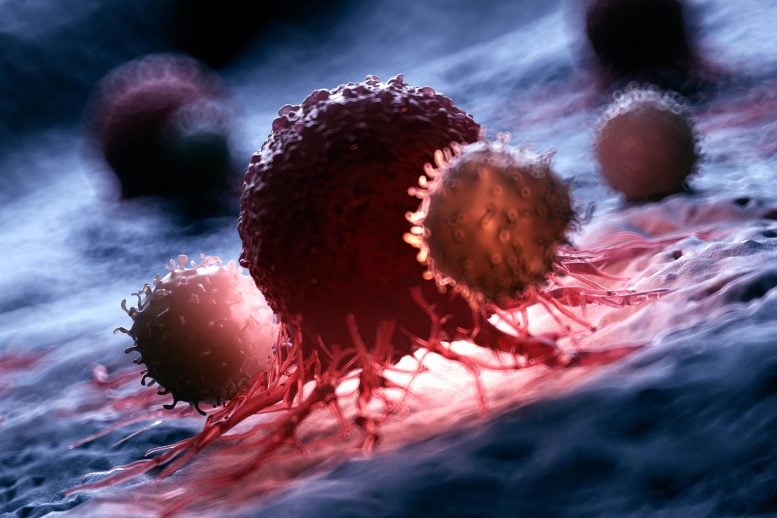
Scientists Uncover Cancer’s Invisibility Switch — A Breakthrough That Could Revolutionize Treatment
In a discovery that could reshape the future of oncology, an international team of researchers has identified what appears to be cancer’s “invisibility switch” — a molecular mechanism that allows tumors, particularly pancreatic cancer, to evade the immune system’s defenses. This breakthrough, published in a leading scientific journal, may mark a turning point in how scientists and clinicians approach the treatment of one of the deadliest forms of cancer.
The research, conducted by scientists from multiple institutions across Europe and North America, focused on understanding how pancreatic cancer manages to grow unchecked within the body. Unlike many other diseases, cancer’s greatest weapon is often its ability to hide from the very immune cells designed to destroy it. For years, this evasion tactic has baffled researchers, but now, the veil may finally be lifting.
At the heart of this discovery is a specific biological process involving the interaction between cancer cells and the immune system. The team found that certain molecules on the surface of pancreatic cancer cells act as a kind of “cloak,” effectively rendering the tumor invisible to white blood cells — the immune system’s frontline soldiers. By manipulating this process in laboratory settings, the researchers were able to disrupt the cancer’s ability to hide, allowing the immune system to recognize and attack the tumor.
This finding is particularly significant because pancreatic cancer is notoriously difficult to treat. It is often diagnosed at advanced stages, and its aggressive nature means that traditional therapies like chemotherapy and radiation frequently fall short. The ability to “switch off” cancer’s invisibility could open the door to new immunotherapies that empower the body’s own defenses to fight back more effectively.
The implications of this research extend far beyond pancreatic cancer. If scientists can replicate these results in other types of tumors, it could herald a new era in oncology — one where the immune system is no longer tricked by cancer’s stealth tactics. The potential for developing targeted treatments that disable this invisibility switch is immense, offering hope to millions of patients worldwide.
While the research is still in its early stages, the laboratory results are promising. The team observed that when the invisibility mechanism was disrupted, immune cells were able to infiltrate tumors more effectively, slowing their growth and, in some cases, causing them to shrink. These findings suggest that therapies designed to target this molecular switch could significantly improve patient outcomes.
Of course, translating these laboratory successes into real-world treatments will require further research and extensive clinical trials. Scientists will need to determine the safety and efficacy of potential therapies, as well as how best to deliver them to patients. Nonetheless, the discovery represents a major leap forward in our understanding of cancer biology and the complex ways tumors interact with the immune system.
The research also highlights the importance of international collaboration in tackling some of the most challenging diseases of our time. By pooling expertise and resources, scientists from different countries and disciplines were able to make a discovery that could have far-reaching consequences for global health.
As the scientific community digests these findings, there is a palpable sense of excitement about what this could mean for the future of cancer treatment. If the invisibility switch can be reliably targeted, it could transform pancreatic cancer from a death sentence into a manageable, even curable, disease. And if the same principles apply to other cancers, the impact could be even more profound.
For now, the discovery stands as a testament to the power of scientific inquiry and the relentless pursuit of knowledge. It reminds us that even the most formidable foes — like cancer — have vulnerabilities, and that with persistence and ingenuity, we can find ways to overcome them.
As researchers continue to build on this breakthrough, the hope is that one day, the phrase “incurable cancer” will become a relic of the past. For patients, families, and healthcare providers, that would be a victory worth celebrating.
Tags & Viral Phrases:
Cancer’s invisibility switch
Breakthrough in cancer research
Pancreatic cancer treatment
Immune system evasion
Molecular switch discovery
New hope for cancer patients
Immunotherapy revolution
Scientists uncover cancer secret
Future of oncology
Game-changing cancer research
Cancer hiding from immune system
Targeting cancer’s weakness
Lab results show promise
International cancer research team
Potential cure for pancreatic cancer
Disabling cancer’s stealth mode
White blood cells attacking tumors
Next-gen cancer therapies
Scientific breakthrough in oncology
Hope for millions of patients
,


Leave a Reply
Want to join the discussion?Feel free to contribute!