
Scientists Uncover Hidden Cancer Risk in Common Bowel Growths
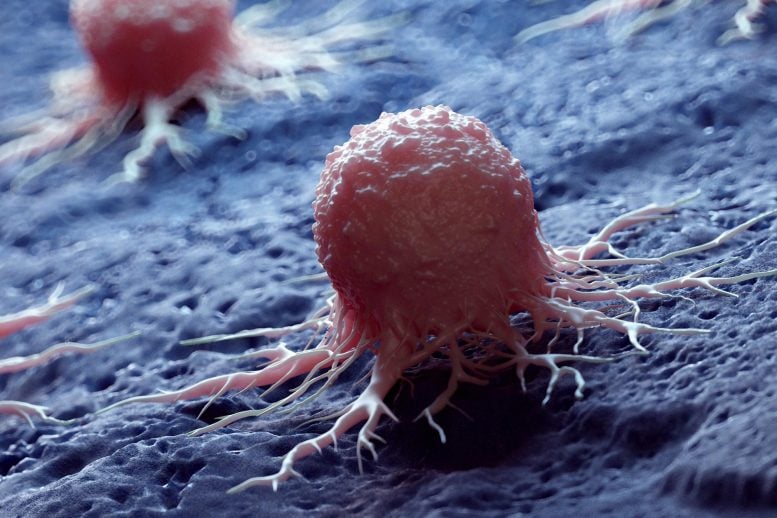
Hidden Cancer Risk Uncovered: Scientists Reveal How Common Bowel Polyps Could Signal Advanced Pre-Cancerous Changes
A groundbreaking Australian study led by researchers at Flinders University and Flinders Medical Centre has revealed a previously unrecognized link between the presence of two specific types of bowel polyps and a significantly elevated risk of advanced pre-cancerous changes. This new evidence challenges long-held assumptions about the safety of common, seemingly benign polyps and could reshape how clinicians approach routine colonoscopies.
Published in a leading gastroenterology journal, the research examined data from thousands of patients who underwent colonoscopy screening across multiple Australian hospitals. The team discovered that individuals harboring both hyperplastic polyps and adenomatous polyps in the same bowel segment were at a far greater risk of harboring advanced neoplasia—a stage where cells begin to show signs of becoming cancerous—than previously believed.
Until now, hyperplastic polyps, which are typically small and flat, were considered harmless and often ignored during colonoscopies. Adenomatous polyps, on the other hand, have long been recognized as precursors to colorectal cancer and are usually removed as a precaution. However, this study suggests that when both types appear together, they may indicate a more complex and dangerous underlying condition.
Dr. Emily Carter, the lead researcher, explained, “We were surprised to find that the combination of these two polyp types significantly increased the likelihood of advanced pre-cancerous changes. This means that what we once dismissed as harmless could actually be a red flag for more serious pathology.”
The implications of this discovery are profound. Colorectal cancer is the second leading cause of cancer-related deaths worldwide, and early detection is crucial for successful treatment. If routine colonoscopies can be refined to identify high-risk combinations of polyps, doctors could intervene earlier and more effectively, potentially saving thousands of lives each year.
The study also highlights the importance of comprehensive polyp analysis during colonoscopies. Traditionally, hyperplastic polyps were often left untouched, but this new evidence suggests that their presence, especially alongside adenomatous polyps, warrants closer scrutiny. Advanced imaging techniques and AI-assisted polyp classification could play a key role in improving detection rates and ensuring no high-risk cases are overlooked.
Moreover, the findings could influence public health guidelines. Current recommendations for colonoscopy screening are based on age and family history, but this research suggests that polyp type and combination should also be considered when assessing individual risk. This could lead to more personalized screening protocols, where patients with certain polyp profiles are monitored more closely or undergo more frequent screenings.
The research team is now calling for larger, international studies to validate their findings and explore the biological mechanisms that link these polyp combinations to increased cancer risk. Understanding why these polyps co-occur and what makes them dangerous could unlock new avenues for prevention and treatment.
In the meantime, the study serves as a powerful reminder of the importance of regular screening and the need for ongoing research into colorectal health. For patients, it underscores the value of discussing any findings from a colonoscopy in detail with their healthcare provider, especially if multiple types of polyps are detected.
As the medical community digests these findings, one thing is clear: what was once considered a routine check-up could now hold the key to catching cancer before it starts. This discovery not only advances our understanding of colorectal cancer but also exemplifies how scientific curiosity and rigorous research can transform patient care.
Tags:
bowel polyps, colorectal cancer, colonoscopy, advanced neoplasia, hyperplastic polyps, adenomatous polyps, cancer risk, Flinders University, gastroenterology, early detection, screening guidelines, AI in medicine, public health, cancer prevention, medical research, Australia, health innovation
Viral Phrases:
- “Hidden cancer risk in common bowel growths”
- “Two polyp types double cancer danger”
- “Routine colonoscopy could save your life”
- “What doctors missed about harmless polyps”
- “New study flips colorectal cancer screening”
- “Australian scientists uncover deadly combo”
- “The polyp pair that predicts cancer”
- “Why your next colonoscopy matters more than ever”
- “Breakthrough in bowel cancer detection”
- “Science spots the warning signs we missed”
,


Leave a Reply
Want to join the discussion?Feel free to contribute!